
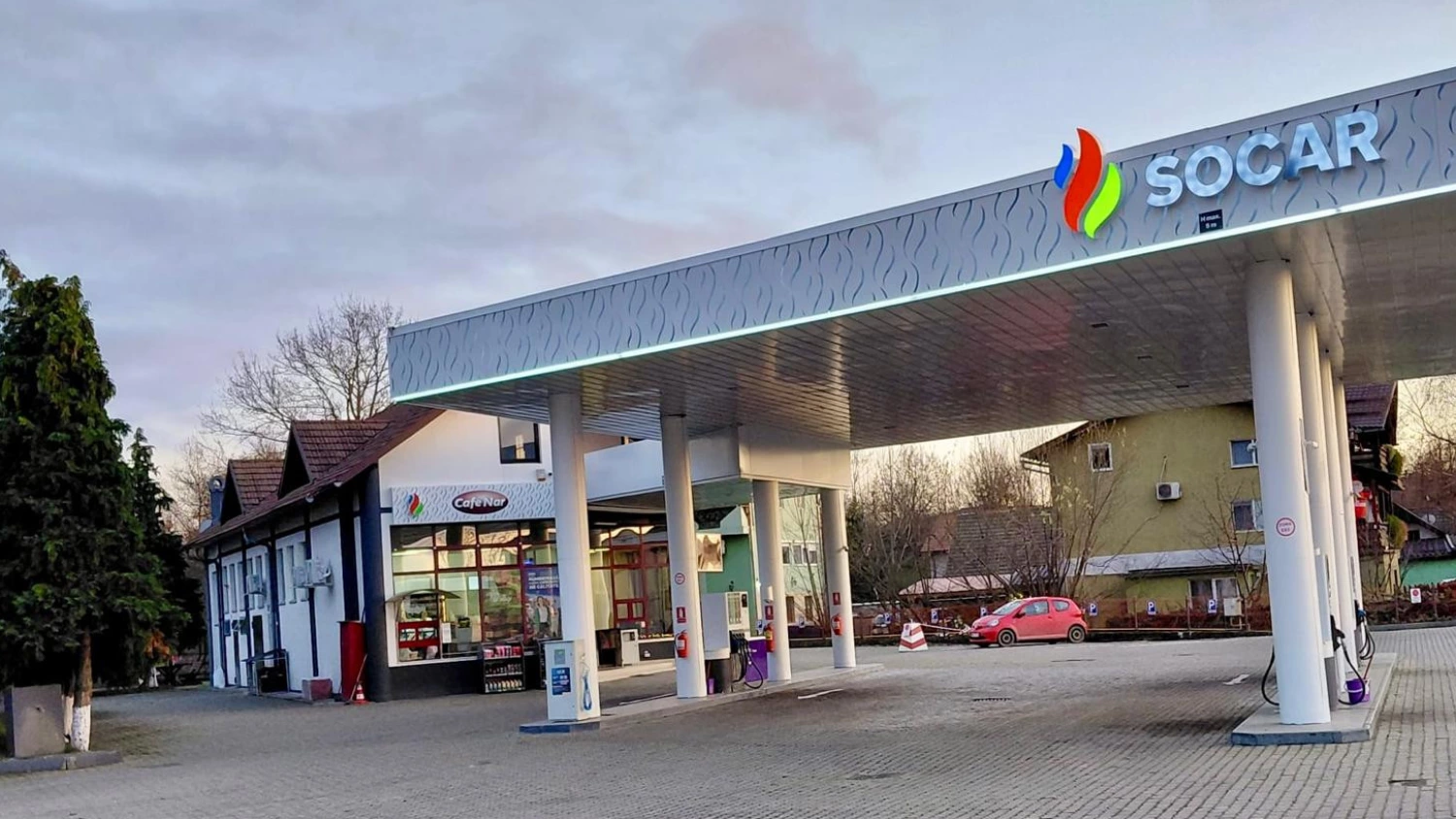


The new fuel station features two multi-product pumps offering three types of fuel (Nano 95, Nano Diesel and Nano Super Diesel), plus a high-flow pump for trucks. The company created five jobs for the Baia Mare location.
"Socar is exceeding its business objectives set for this year. We planned to open 9 new petrol stations, but we're ending the year with 14. For 2026, we have equally ambitious plans – to exceed 100 stations," said Ramin Aliyev, General Director of Socar Petroleum. "Romania's fuel market is dynamic and continuously growing, so in the coming years, we aim to offer our products and services in over 200 petrol stations."
Socar Petroleum ended 2024 with a turnover of RON 3.6 billion (€707 million), up 33% from the previous year. The company has created over 900 jobs and invested more than €80 million in Romania to date.
Socar Petroleum is the Romanian subsidiary of The State Oil Company of Azerbaijan Republic, a globally recognised oil and natural gas company. Since 2011, the company has been active in Romania, building a national network of petrol stations and operating three storage facilities in Teiuș, Onești and Constanța.