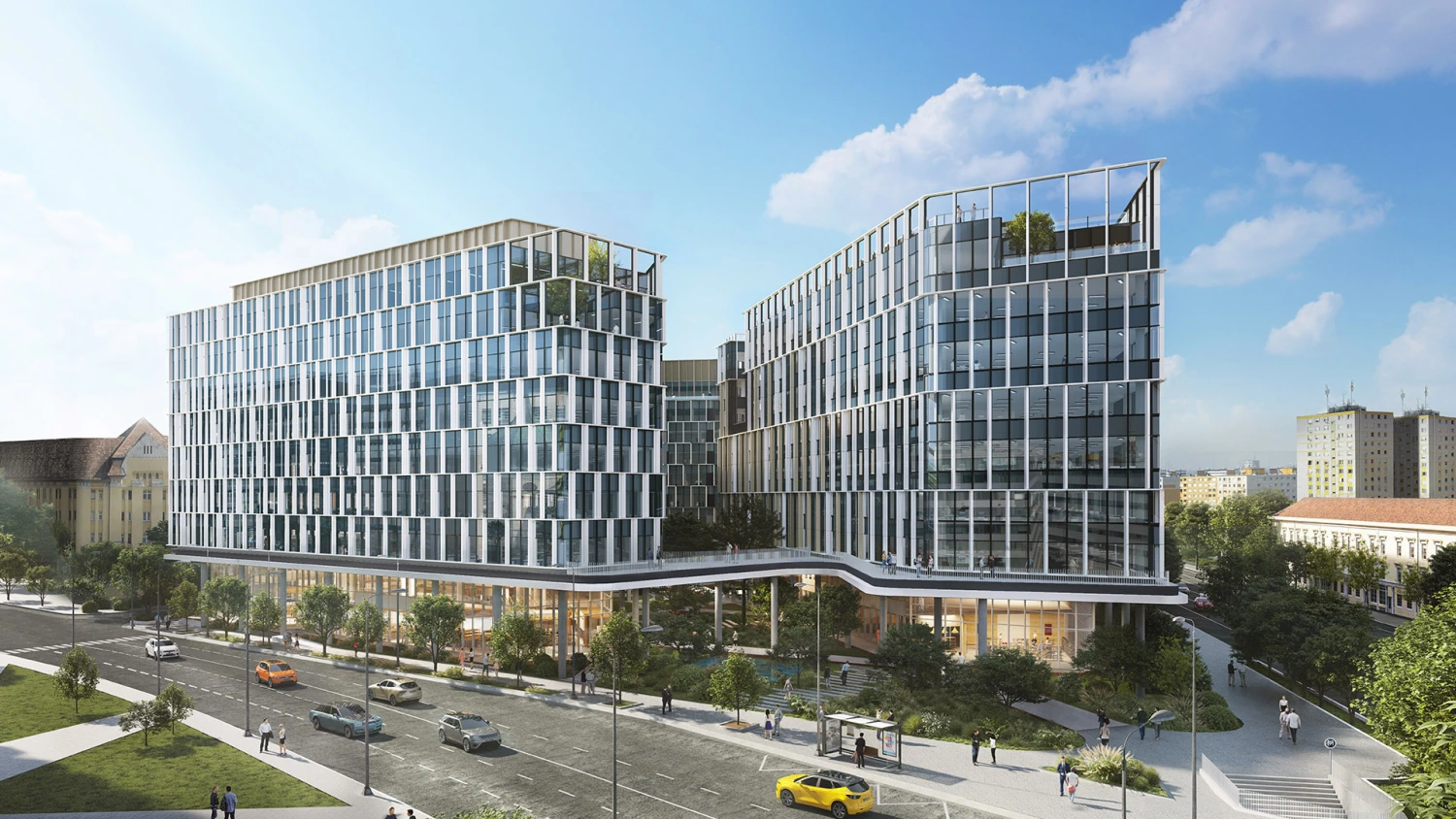
Skanska has published its 2026 "Shaping Sustainable Places" report, which examines how urban developments can retain their appeal, adaptability and economic viability long after construction is complete. The report argues that performance at the point of handover is no longer sufficient on its own; a project's ability to adapt to changing needs throughout its full lifecycle is equally important.
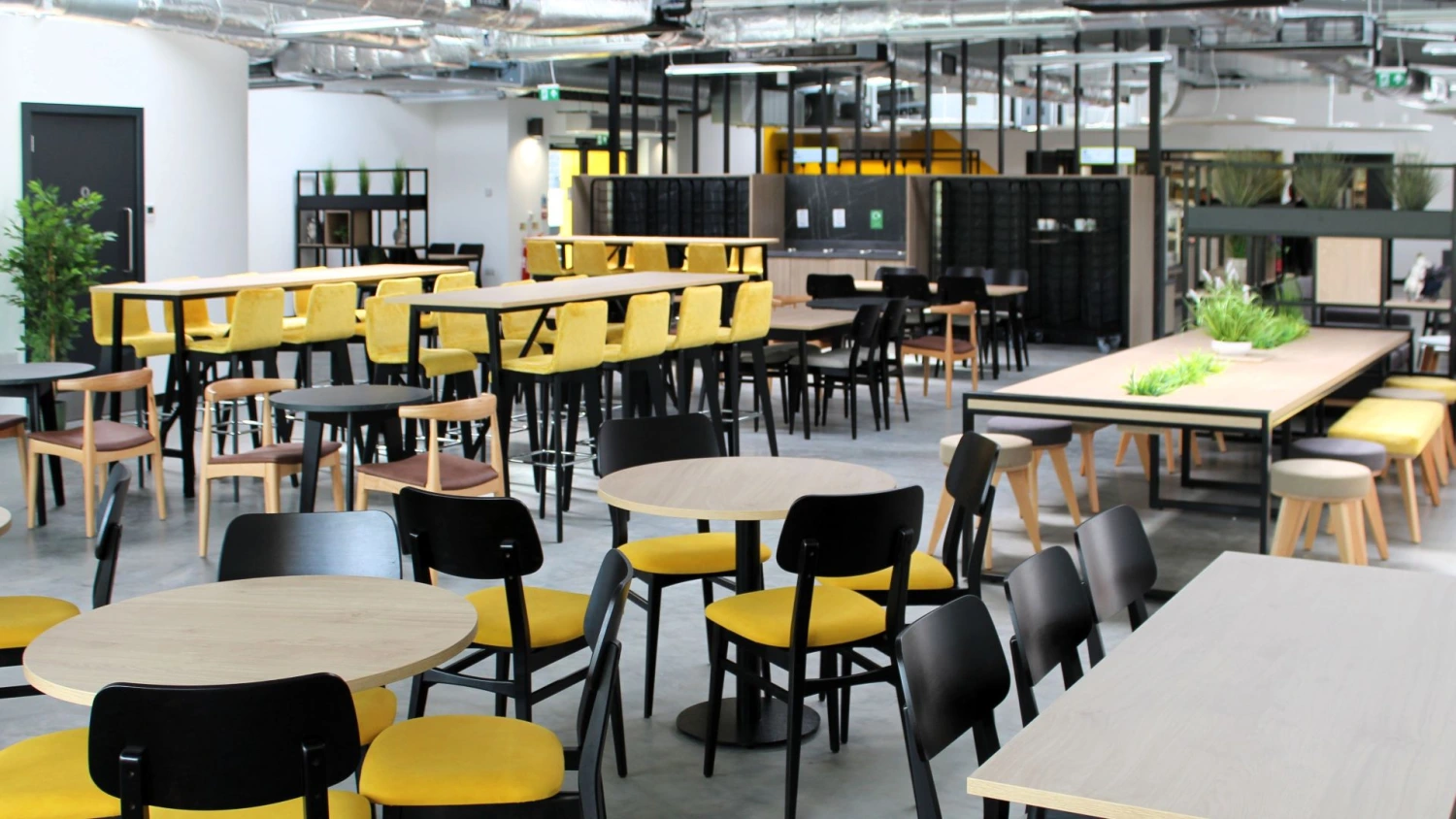
Limited new supply, falling vacancy and increasingly demanding occupiers are changing the dynamics of Bucharest's office market. At SEE Property Forum 2026, experts discussed how landlords can respond through refurbishment, sustainability investments, mixed-use concepts and better building management, while new development gradually returns to the market.
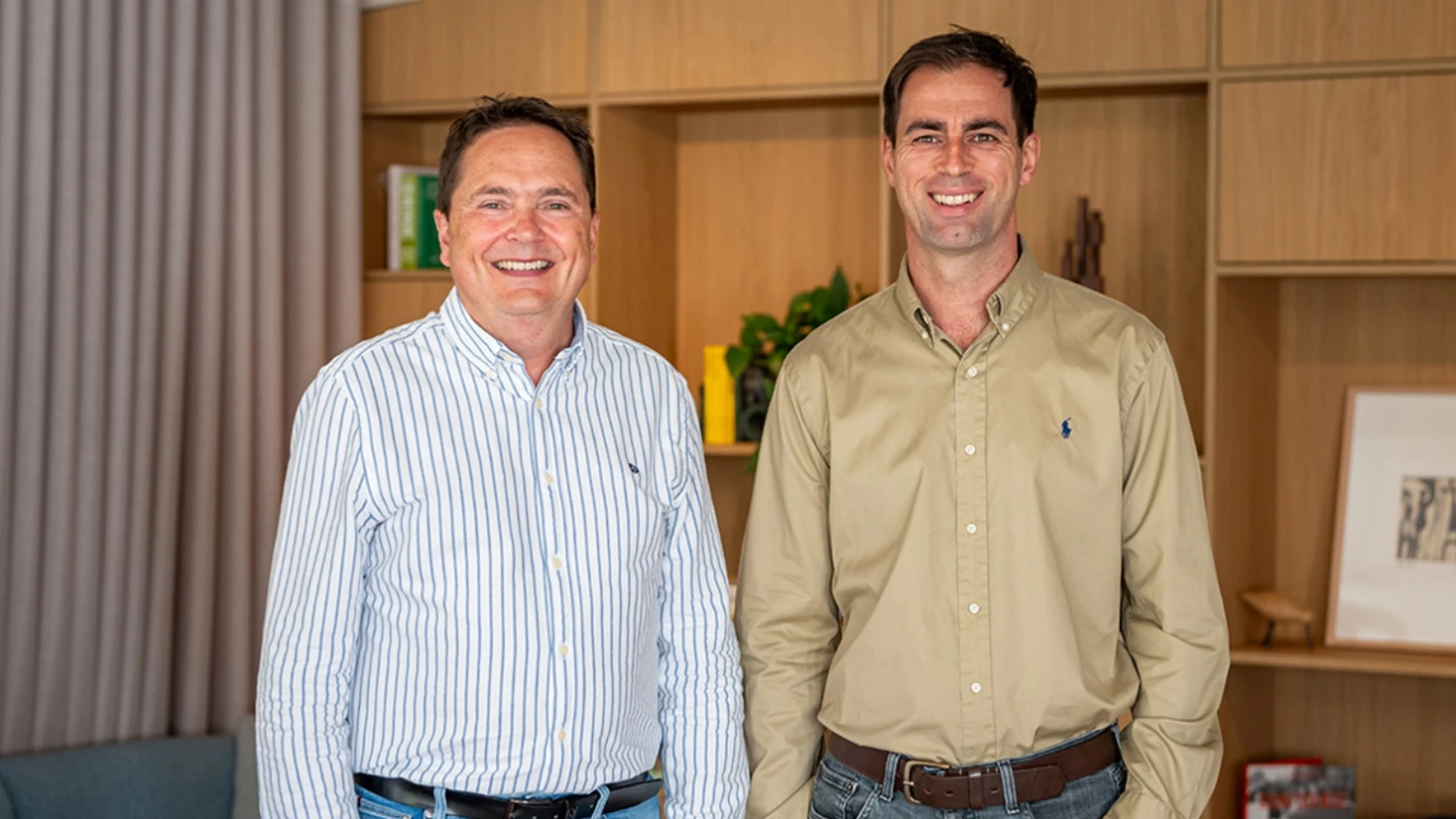
Atterbury Europe has announced a planned leadership succession, with Martin Olivier, currently Chief Financial Officer, set to become Chief Executive Officer on 1 November 2026. Henk Deist, who has led the company since its founding in 2014, will move into the role of Commercial Director while remaining on the board.
European employees are returning to the office less frequently than their counterparts elsewhere in the world, according to new analysis by Colliers based on data from the Basking.io platform. While four to five days a week in the office has become the norm in Latin America (46%), Asia-Pacific (41%) and North America (38%), the most common pattern in Europe remains two to three days a week, with 41% of EMEA employees following this model. That said, the share of EMEA employees attending four to five days a week has nearly doubled since 2024, rising from 15% to 26%.
Romania recorded the largest gap in the European Union between growth in platform-based overnight stays and overall tourist accommodation in the second quarter of 2026, according to an analysis by Destination Finder using Eurostat data.
Romania's construction market recorded 35,658 projects with a combined estimated investment value exceeding RON 848 billion (approximately €166 billion) between January and September 2026, according to an analysis by IBC Focus based on data from its VICTA construction intelligence platform. The figures reveal a pronounced divide between the volume of private development and the financial weight of publicly funded construction.
North Bucharest Investments (NBI), a real estate advisory and brokerage company, has repaid more than €1 million in principal to investors on the Stock.estate crowdfunding platform, closing three financing rounds approximately one month ahead of their contractual maturity dates. The repayments were made together with interest accrued over the actual investment periods.
Flexible office space in Bucharest has reached approximately 73,500 sqm, more than six and a half times the 11,100 sqm recorded in 2015, according to the Bucharest Flex Office Overview 2026 report by Cushman & Wakefield Echinox. At least 46 centres operated by 24 companies are now active across the city, with flexible space accounting for around 2.1% of Bucharest's total office stock.
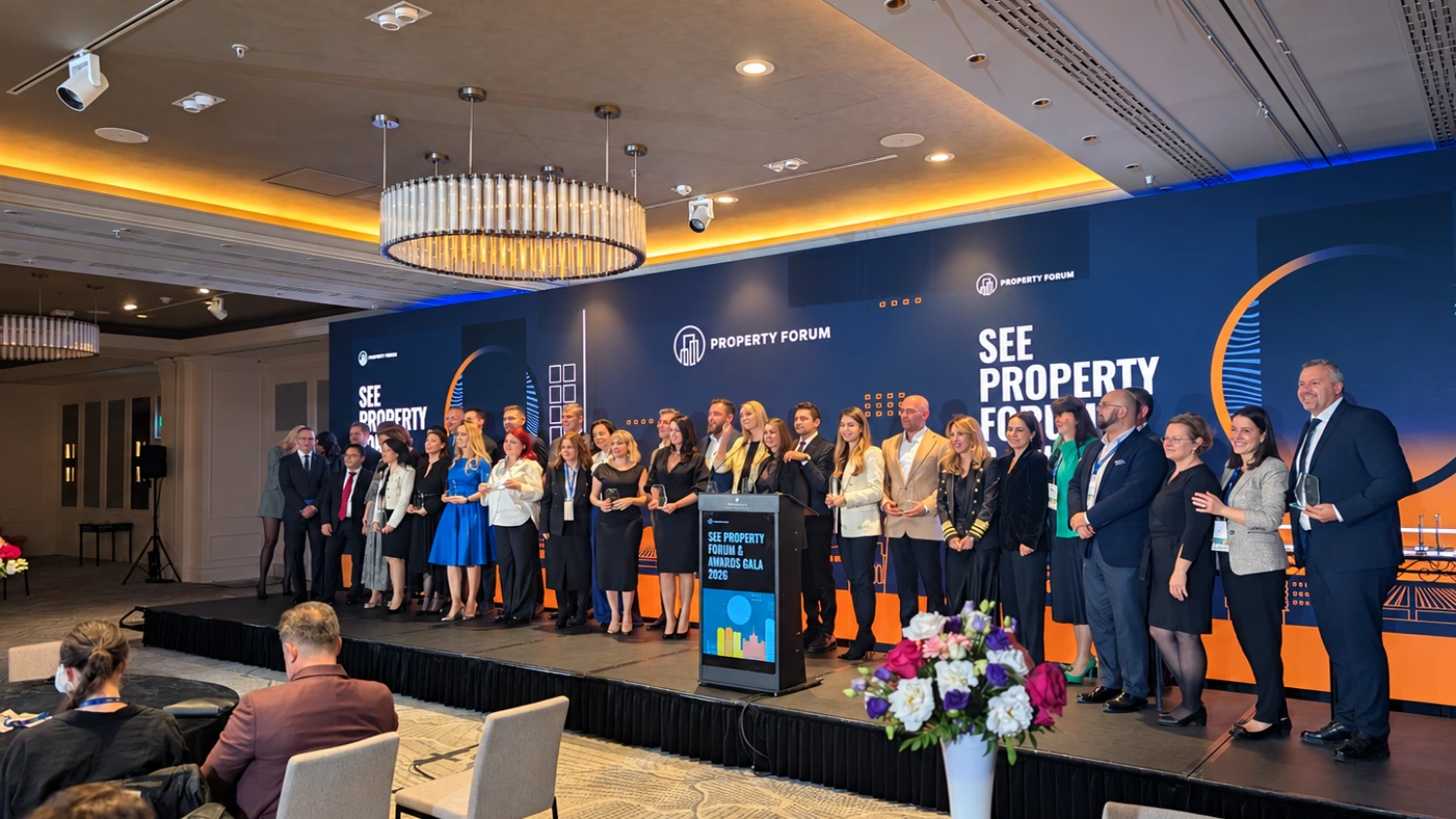
Property Forum is excited to announce the winners of its annual SEE Property Forum Awards in 2026. The winners were selected from our shortlist by the jury committee, comprising the leading players in Romanian real estate. The awards, celebrating the best projects, most impactful transactions and most inspiring personalities of the Romanian market, were presented at our awards gala in Bucharest, part of the annual SEE Property Forum.
CBRE has appointed Dana Bordei as Head of Industrial and Logistics for Romania and Head of Industrial and Logistics Strategic Client Development for CEE South. Bordei brings experience spanning both consultancy and real estate development, and will lead CBRE's industrial and logistics operations in Romania while overseeing client development across Central and Eastern Europe South.
A survey by Genesis Property found that nearly 55% of employees in Romania feel tired or overworked daily or several times a week, while only 12.5% describe their professional energy levels as very good. More than 16% say they frequently feel exhausted, burned out or close to burnout. The survey was conducted online in July 2026 among 1,026 internet users in Romania.
The Nexus office campus in Bucharest's Expoziției area, formerly known as @expo, has entered a new stage of development following its acquisition by Equora Capital and Synergy Group. The campus is now managed by Mondo Development, a real estate firm with a portfolio across several European markets.
BuildGreen has secured BREEAM Excellent certification for 12 residential buildings within Greenfield Băneasa, a development by Impact Developer & Contractor in northern Bucharest. Issued by BRE Global, the certification covers 982 apartments across Phases 1, 2, 3, and 5 of UTR3 (Teilor District), encompassing 62,706 sqm of net internal floor area and more than 96,999 sqm of gross internal floor area. The scale of the project places it among the largest BREEAM-certified residential developments in Romania.
One United Properties, a Romanian investor and developer of residential, office and mixed-use real estate, has appointed Cătălin Jalobă as Group Chief Financial Officer. The appointment was approved by the Board of Directors on 16 October 2026, and Jalobă will take office on 17 December 2026. He will succeed Cosmin Samoilă, who is leaving the role to pursue new professional projects.
North-East Romania needs better connectivity, stronger cooperation between the public and private sectors and a more investor-oriented approach to turn its economic potential into concrete projects. In a video interview recorded at Property Forum EastGate 2026 in Iaşi, Vasile Asandei, General Director of ADR Nord-Est, discusses the region's investment opportunities, the sectors with the greatest potential and why the A7 and A8 motorways could fundamentally change its position on the European investment map.
Romania's industrial and logistics market has slowed in 2026 following a record 2025. In the first nine months, publicly reported leasing transactions reached approximately 450,000 sqm, around 30% below the level recorded in the same period last year, according to Colliers data. Bucharest-Ilfov accounts for nearly 60% of the total volume, though infrastructure development is beginning to reshape the demand map across the country. Transaction volumes remain close to the ten-year average for the first three quarters and are more than 40% above the 2017–2019 average.
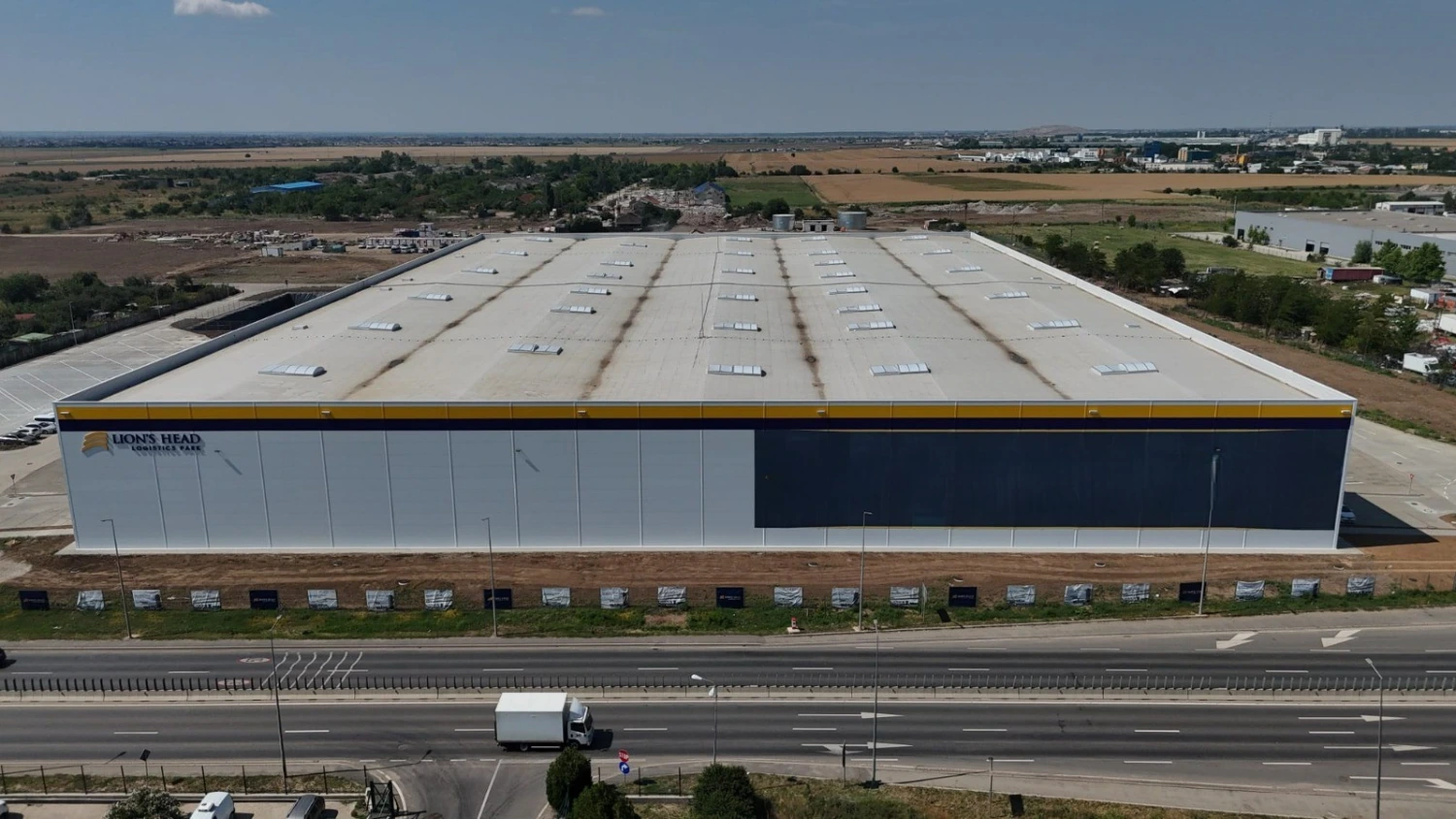
Activ Property Services has brokered the lease of approximately 2,000 sqm of production space for Romanian bakery retailer Pofta de Pâine at Lion's Head Logistics Park Bucharest South, a development located in the Popești area on the southern outskirts of Bucharest. The transaction was coordinated by Cosmin Dinu, Head of Industrial at Activ Property Services, who advised the tenant throughout the process, from identifying a suitable location and conducting technical and commercial assessments to negotiating lease terms. Operations at the new factory are expected to commence in October or November 2026.
Danish retailer NORMAL has entered Romania, opening its first two stores at NEPI Rockcastle shopping centres in Bucharest and Timișoara. The openings mark Romania as NORMAL's 14th European market. The store at Mega Mall in Bucharest covers 311 sqm GLA, while the location at Shopping City Timișoara spans 445 sqm GLA, with both sites launching in early October 2026.
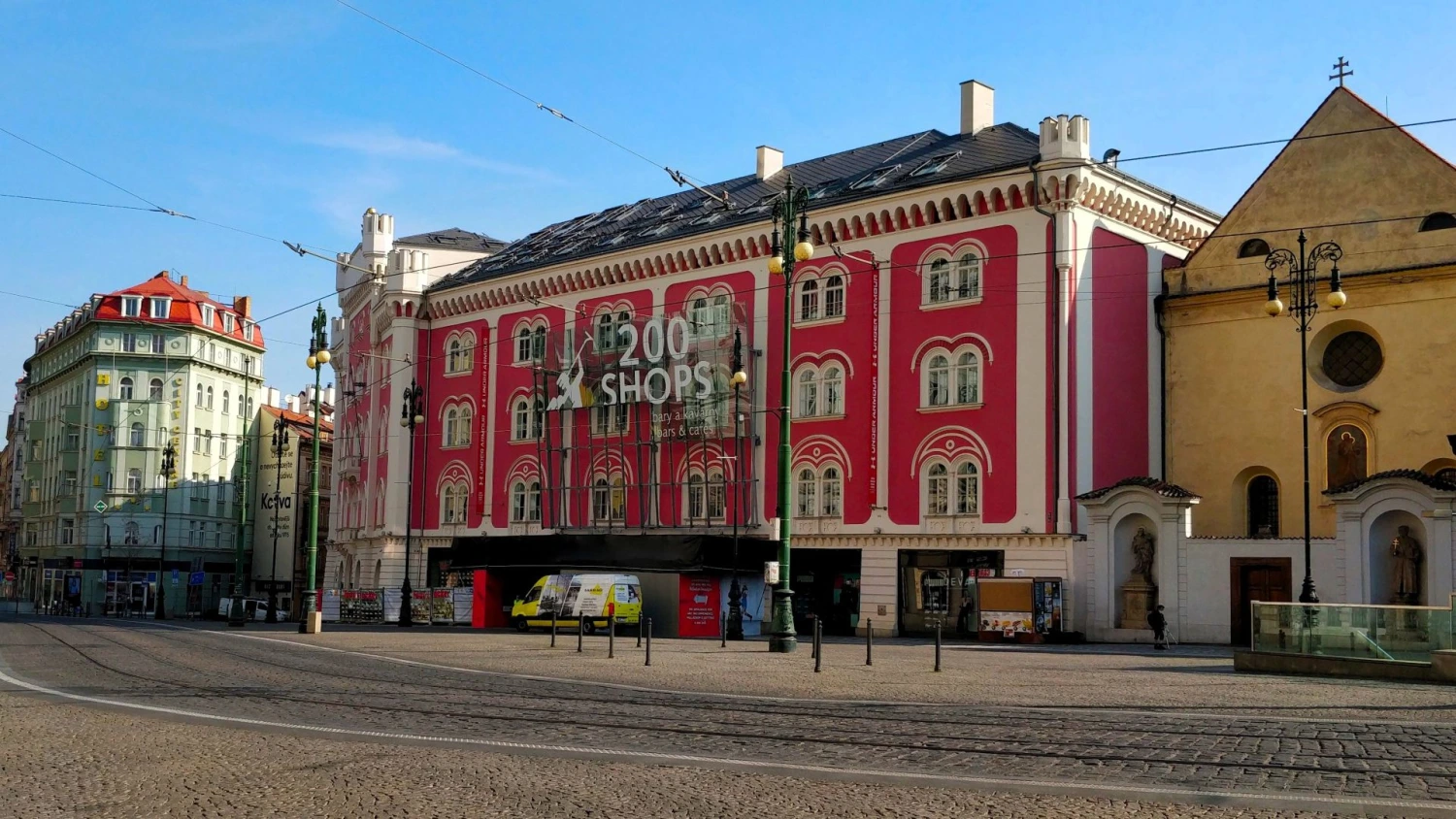
More than two-thirds of modern retail space in the Czech Republic is over 15 years old, according to Colliers' ExCEEding Borders Retail 2026 report. Across the six major Central and Eastern European countries and the Baltic states combined, approximately 33.3 million sqm of modern retail space exists, of which roughly 20 million sqm, or around two-thirds, is older than 15 years. The Czech Republic's share stands at 69%, placing it among the more mature markets in the region.
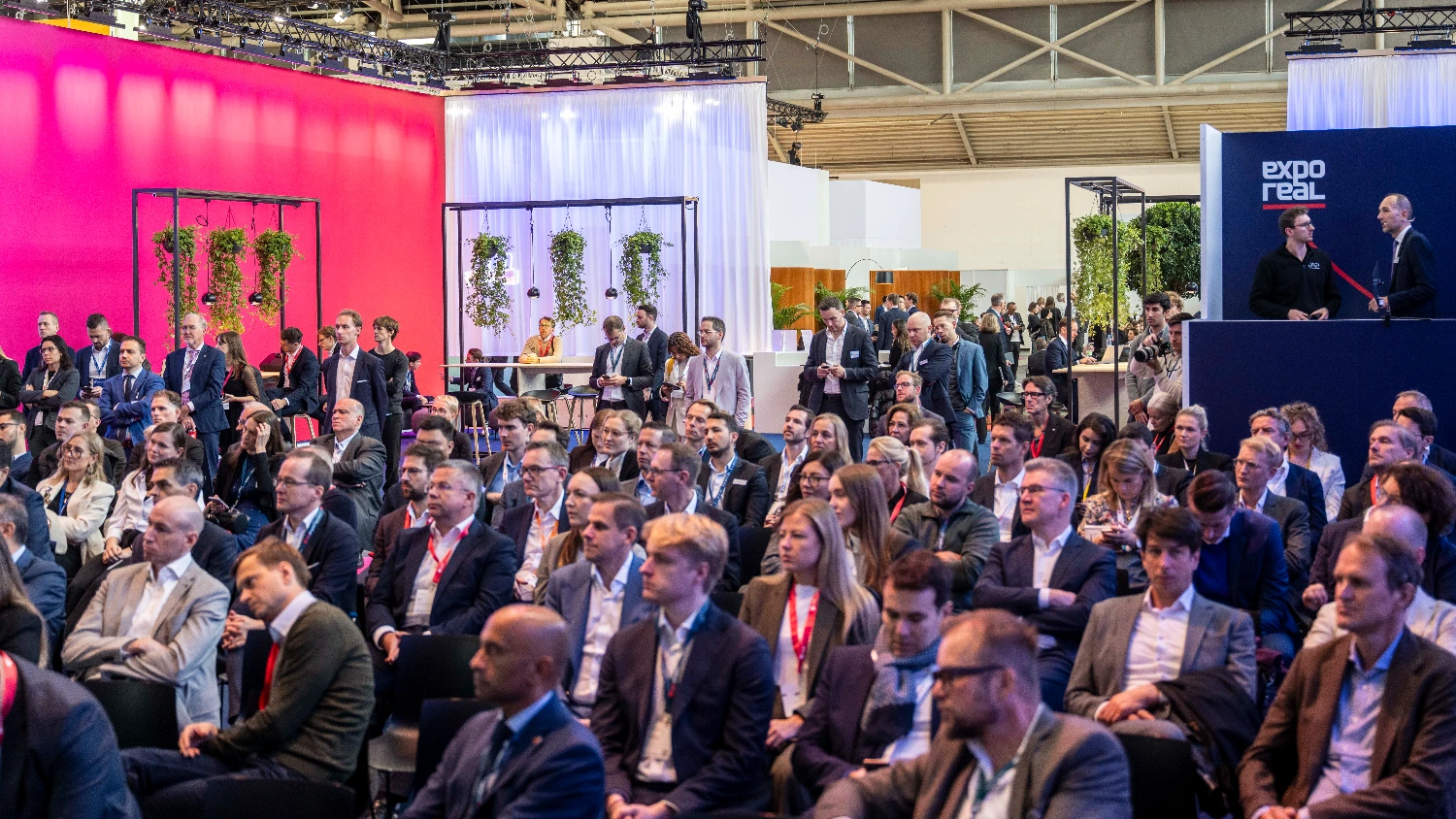
Property Forum and The Poland Observer are joining forces at Expo Real 2026 for a dedicated conference session exploring the investment outlook for Poland and Central and Eastern Europe. Taking place from 15:00 to 16:30 on 6 October, the 90-minute programme will bring together real estate leaders to discuss where opportunities could emerge across the region as the market heads towards 2027.
Bucharest is consolidating its position within the Central and Eastern European (CEE) real estate market, combining rental growth across major asset classes with investment yields that remain well above Western European levels, according to the DNA of Real Estate Europe Q2 2026 report published by Cushman & Wakefield. Across Europe in Q2 2026, prime office rents rose 4.5% year-on-year, retail rents increased 3.0%, and logistics rents grew 2.4%, while investors remained selective as yield movements pointed to a more balanced market following the repricing cycle of recent years.
Energy company Electrica informs investors and the capital market that it has obtained the technical grid connection permits (ATR) for 17 new battery energy storage projects (BESS), with a total capacity of approximately 700 MWh.
The European Retail Banking Radar, Kearney's latest study now in its 18th edition, shows that Europe is entering a period of normalisation following the conditions of 2023–2025. For Romania, the challenge extends beyond the normalisation of interest rates.
Romania's national electricity transmission network operator, Transelectrica, has halted scheduled maintenance shutdowns to ensure the grid operates at maximum capacity during an ongoing extreme heatwave. The preventive measures aim to mitigate operational risks associated with severe weather conditions.
Digi Spain has announced its intention to launch an initial public offering (IPO) on the Spanish stock exchanges, aiming to raise approximately €150 million.