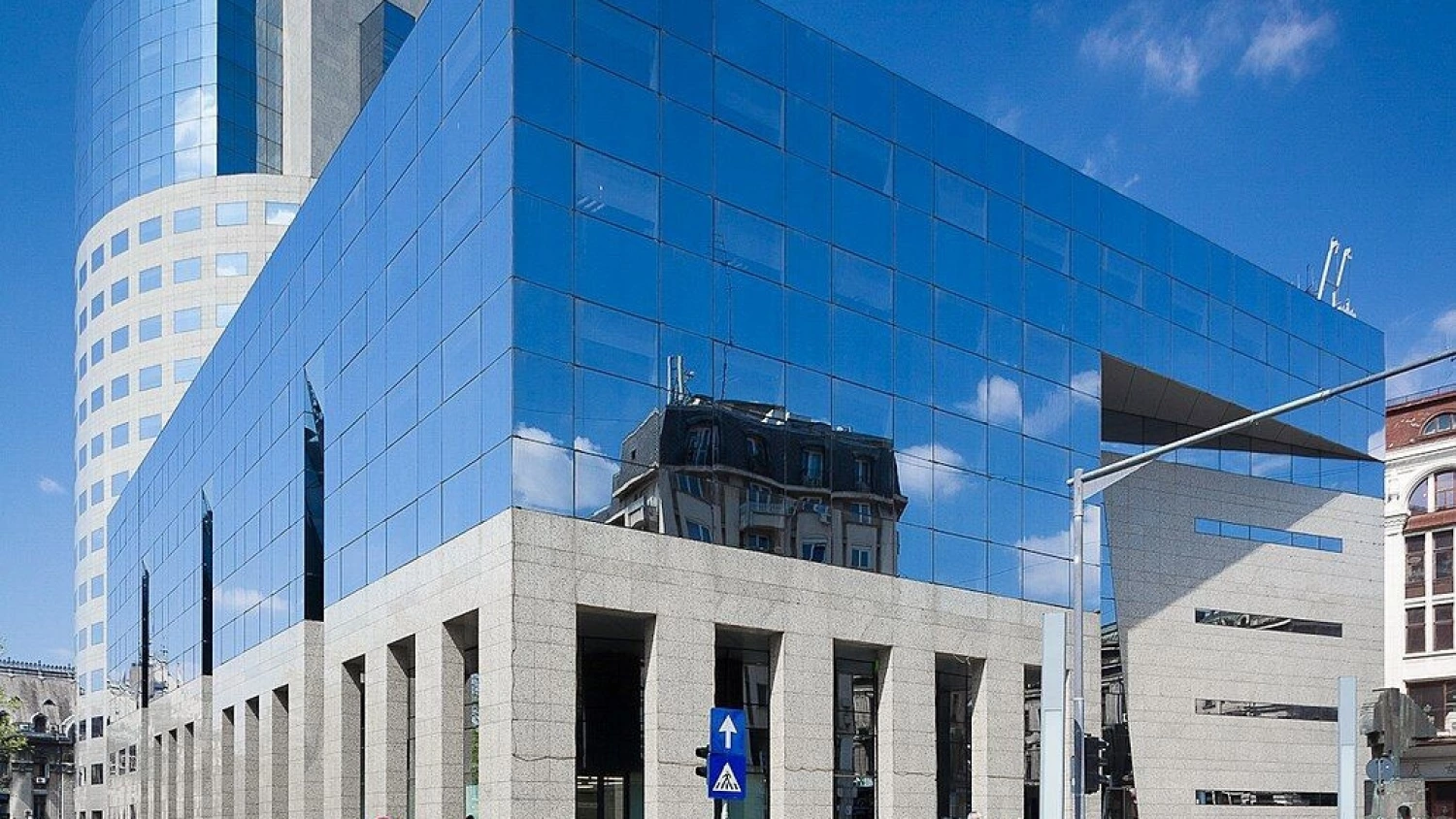
Total demand for office leasing in Bucharest dropped by 25% to 236,000 sqm in Q3 compared to the same period of 2023, while new demand fell 11% to 82,000 sqm in the same interval due to the slowdown of the IT&C sector, according to a Colliers report.
Romania's industrial stock totaled 7.3 million sqm during H1 2024, while new projects spanning 700,000 sqm were under various development stages, according to a report by Colliers.
Romania's commercial investment transaction volume could hit €1 billion this year considering the amount of deals close to completion, according to a report by Colliers.
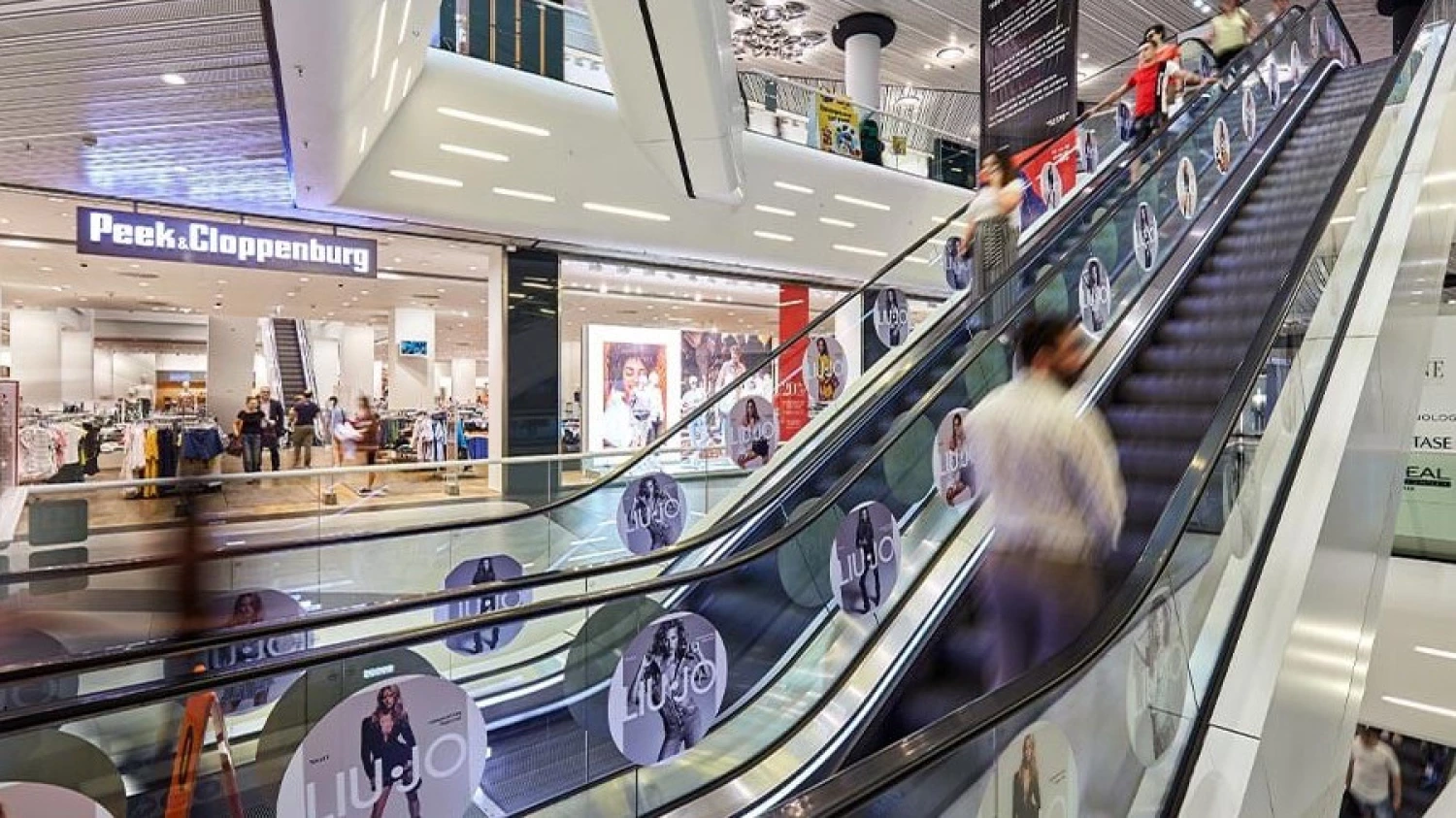
Romania's retail stock expanded by around 106,000 sqm during H1 2026, with another 205,000 sqm under development that could help the country reach the 5 million sqm milestone at the end of 2026, according to a Colliers report.
The largest openings in 2024 were Argeș Mall (51,400 square meters), the new Prime Kapital/MAS REI project in Pitești, followed by Aurora Mall in Giurgiu (13,500 square meters).
AFI Europe has purchased the myhive Victoriei building in central Bucharest from Immofinanz for around €27 million. The new owner plans to turn the existing office building into a mixed-use project, with the conversion permit already secured.
The residential market started 2024 on a strong note, with an 18% increase in residential transactions in Bucharest in the first quarter compared to the same period last year.
The hybrid working system has remained in practice in many companies even after the end of the pandemic, but the number of employees returning to the office is growing.
Environmental, social, and governance (ESG) principles are no longer just a trend or a buzzword, but rather becoming the norm in the Romanian real estate market.
The management and maintenance costs of the office buildings in Colliers Romania's Asset Services portfolio increased by 9% last year compared to 2022.
Bucharest is consolidating its position within the Central and Eastern European (CEE) real estate market, combining rental growth across major asset classes with investment yields that remain well above Western European levels, according to the DNA of Real Estate Europe Q2 2026 report published by Cushman & Wakefield. Across Europe in Q2 2026, prime office rents rose 4.5% year-on-year, retail rents increased 3.0%, and logistics rents grew 2.4%, while investors remained selective as yield movements pointed to a more balanced market following the repricing cycle of recent years.
Energy company Electrica informs investors and the capital market that it has obtained the technical grid connection permits (ATR) for 17 new battery energy storage projects (BESS), with a total capacity of approximately 700 MWh.
The European Retail Banking Radar, Kearney's latest study now in its 18th edition, shows that Europe is entering a period of normalisation following the conditions of 2023–2025. For Romania, the challenge extends beyond the normalisation of interest rates.
Romania's national electricity transmission network operator, Transelectrica, has halted scheduled maintenance shutdowns to ensure the grid operates at maximum capacity during an ongoing extreme heatwave. The preventive measures aim to mitigate operational risks associated with severe weather conditions.
Digi Spain has announced its intention to launch an initial public offering (IPO) on the Spanish stock exchanges, aiming to raise approximately €150 million.