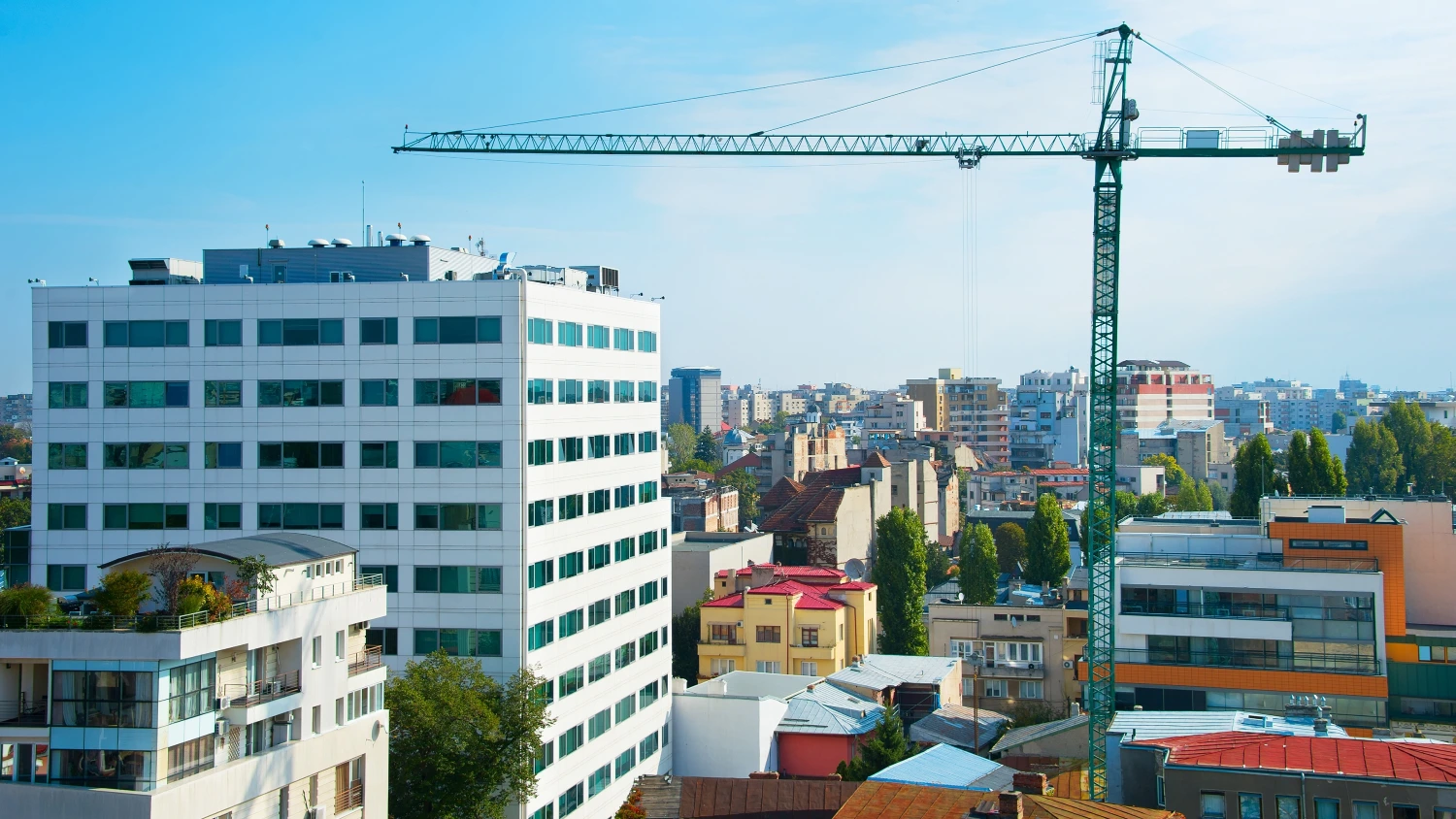


Bucharest, often referred to as "Little Paris," has been one of the fastest-growing cities in the European Union over the past two decades. In 2021, GDP per capita, adjusted for purchasing power, exceeded 170% of the EU average, ranking tenth among European metropolitan regions and the highest in the CEE region. This level surpasses that of most Western capitals, and the fact that Romania is considered one of the most dynamic economies in the world, according to the IMF, further highlights Bucharest's impressive performance.
Significant investment, mainly from the private sector, is beginning to transform buildings and areas across the capital, according to Colliers consultants. They explain that the city's strong economic profile has encouraged the growth of a substantial middle class. Bucharest also boasts one of the highest densities of high-income earners in the EU, comparable to Helsinki and London, which has contributed to the development of a vibrant network of high-end restaurants and bars.
“One of the key drivers of Bucharest's economic performance is its large and growing community of over 100,000 IT professionals and a vibrant start-up ecosystem. This has led to the rise of a growing class of high-income earners and the emergence of globally successful companies. We expect these growth factors to persist, further boosting the development of the local economy. In the medium term, improvements in administrative capacity could attract even more residents to the metropolitan area," says Liana Dumitru, Director Retail at Colliers.
Modern retail in Bucharest is dominated by a few large shopping centers spread across different parts of the city. These centers draw attention with their impressive size and variety of brands. Depending on thei tenant mix, concept, and positioning, they have become favorite destinations not only for Bucharest residents but also for people from surrounding areas and neighboring cities. A notable example is Băneasa Shopping City, located in the north of Bucharest. Over the years, it has positioned itself as a destination for middle- and high-income consumers, attracting numerous premium and luxury brands. Many of these brands have chosen to enter the Romanian market exclusively by opening a store in this shopping center. Currently, Băneasa Shopping City boasts the highest density of premium and luxury brands in the capital.
Calea Victoriei and, to a lesser extent, Calea Dorobanților are the main areas in Bucharest where luxury brands have chosen to establish themselves, particularly those that want to maintain their individuality and avoid shopping centers. Over time, these areas have become destinations for their specific consumer segments. However, the high rotation of stores in these locations suggests that the market is not yet mature, and the number of brands present is not enough to create a strong retail synergy, as seen in the pedestrian central areas of major European capitals.
Since its opening, another key attraction for luxury brands has been the Grand Avenue shopping gallery, located on the ground floor of the 5-star JW Marriott Bucharest Grand Hotel. Over the years, major fashion, accessories and jewelry houses have opened their first stores here. However, compared to neighboring and Western countries, many brands are still absent in Romania, which classifies the market as emerging. Most brands, such as Dior, Armani, Dolce & Gabbana, and Burberry, are present through franchise partnerships or multi-brand stores, with Louis Vuitton being one of the few big names directly represented.
In Central and Eastern Europe, Prague is the top choice for luxury and premium brands, according to the report ”Luxury Retail Brands in CEE”. One of the key factors attracting these brands to a particular market or region is the high level of income and the growing desire of customers to adopt a Western standard of living. The potential of cities to attract tourists and visitors also plays a significant role. Tourists are an important source of customers for these brands, and the appetite for shopping and expensive gifts is becoming a clear trend, particularly during business and leisure trips.
“The last 10–15 years have been favorable for luxury retail in Central and Eastern Europe, and the next decade could be even more promising if current trends continue. Rising incomes, relatively lower costs of basic goods and services as percentage from the total household income, and rapid economic expansion in the CEE-6, combined with a strong desire for a Western lifestyle, suggest a positive future for this market”, says Liana Dumitru, Director Retail at Colliers.
Silviu Pop, Director CEE & Romania Research at Colliers, also highlights the historical context: Western Europe has had several decades more to accumulate capital than the countries of Central and Eastern Europe (CEE), whose development was hampered by communism until 1989. However, the CEE-6 is catching up quickly. Between 2005 and 2022, the incomes of the top 1% in each CEE country doubled, while in Bulgaria, they increased almost sixfold. In contrast, in countries such as Spain, France, Germany, and the Netherlands, the increase was only between 55% and 67%, less than half the growth rate seen in most of the CEE-6.
The Colliers report analyzes 179 brands present in our region, categorized into ultimate and aspirational luxury, affordable luxury, and premium brands. The largest share of these brands in CEE Region is found in the Czech market, where they are present either directly through their own stores or through franchise partnerships, followed by the Polish market. In Romania, exclusive brands primarily enter the market through multi-brand stores, whereas in the Czech Republic, most are represented by their own stores.
According to the same data, the Czech Republic stands out as the most mature market for luxury brands in the CEE region, boasting a well-developed retail infrastructure. Prague, in particular, has become a significant hub for high-end fashion and luxury goods. Poland and Hungary are considered developing markets with strong growth prospects for luxury brands. Initially, these brands entered the market through multi-brand stores and franchise partnerships, but following the success of these formats, many exclusive brands are now looking to open their own stores to capitalize on the growing demand.