


This interview was first published in Property Forum's annual listing of "The 50 most influential people on Romania's real estate market”.
How did ADP Green Building's business evolve in 2023, and what are your expectations for 2024?
After nine years of growth, with activity doubling several times from year to year, our 10th year was roughly similar to 2022. We managed to maintain the same pace, strengthen our team, and enhance relationships with our existing clients.
Additionally, we initiated new collaborations and solidified our presence in the few countries where we expanded in previous years—Bulgaria, Serbia, Hungary, and Slovakia.
What were the most significant certification projects you consulted on last year?
At the beginning of 2023, we obtained certifications for the design stages of the first two public projects managed by the Cluj County Council and the Bistrița-Năsăud County Council.
The first project is the Pediatric Hospital in Cluj-Napoca, covering an area of over 100,000 sqm. It was a finalist at the SEE Property Forum Awards Gala in the Concept of the Year category.
The second project involves the restoration of Teleki Castle in Comlod, a Category A architectural monument.
Have you noticed any changes in the demand structure for sustainability certification services for buildings?
In 2023, the number of projects we completed was 12% lower than the previous year, but the number of contracted projects increased by over 40%. This indicates that, at least for the next 2-3 years, the demand for evaluation, improvement, and certification services related to building sustainability remains an important aspect for real estate developers.
Additionally, in a year marked by uncertainties regarding real estate investment returns, the number of requests from major investors (investment funds and international real estate developers) has risen, while local investors' interest in sustainability has significantly decreased.
This observation is based solely on ADP's interactions with the market. Considering that over 60% of the certified buildings in 2023 are projects from ADP's portfolio, this observation likely correlates well with reality.
What trends are you seeing in the green building certification market?
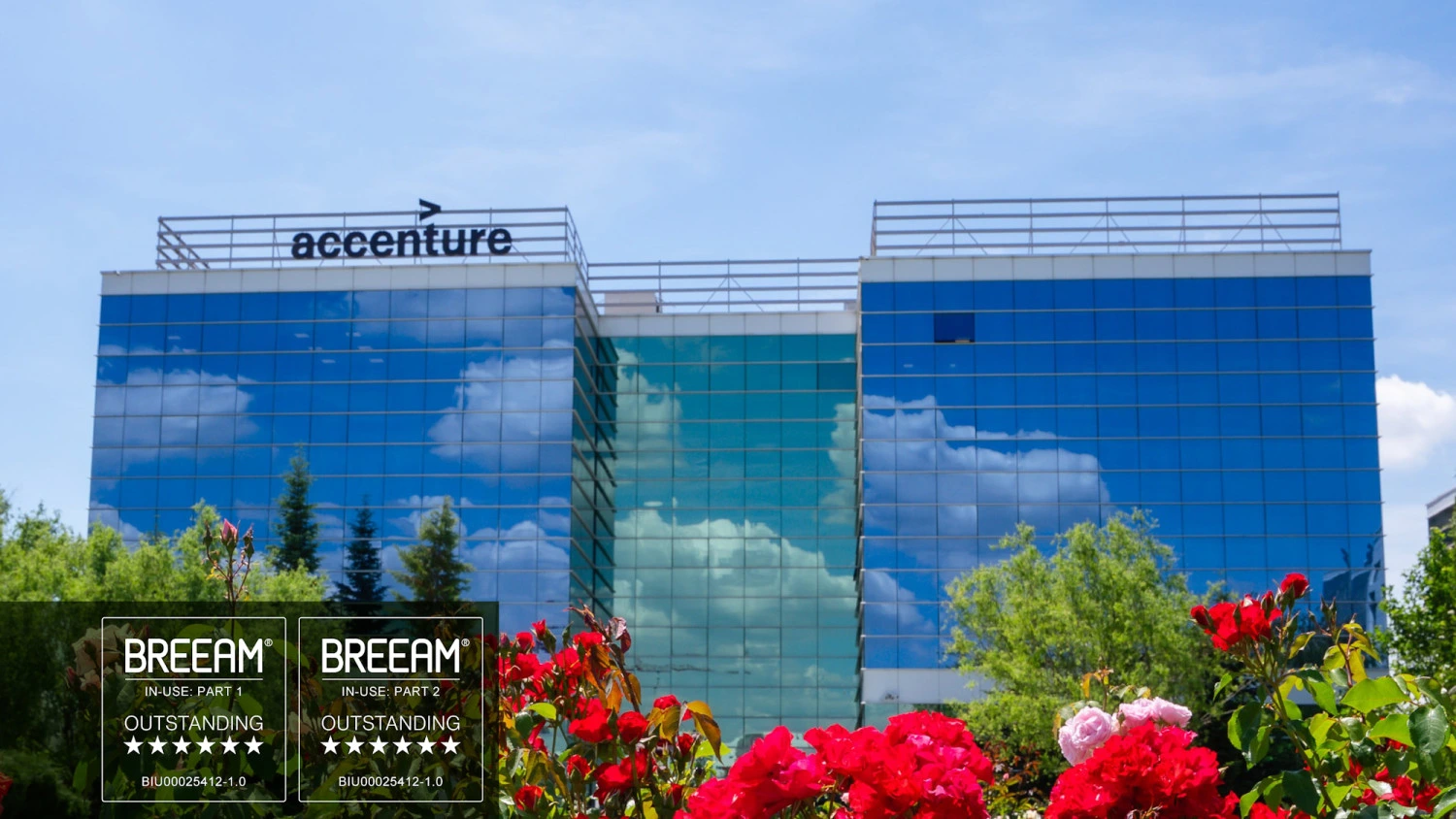
In the past year, the targeted certification level has increased. The logistics and retail sectors are moving from the “Very Good” level (3 out of 5) toward “Excellent” (4 out of 5), while offices are progressing from “Excellent” to “Outstanding,” the highest level. Numerous standards, objectives, or declarations are claimed by organizations.
However, there is some dilution of the message. While more organizations prioritize sustainability, there is also some ambiguity. Some communicated messages are exaggerated, unverified, and occasionally misinterpreted. There is a lot of greenwashing and related practices like greenlighting or greenshifting.
We rely on reputable standards based on research, continuously improved, with external validation of documentation and results for our clients. Therefore, standards such as BREEAM, LEED, or WELL remain the primary tools for assessing and certifying construction sustainability.
Decarbonization is a topic gaining increasing importance, although it is not new. Nearly all requirements of a standard like BREEAM aim to reduce the carbon footprint, providing a clear framework and methodology. The trend is for organizations' carbon footprint, both from building construction and operation and from all their activities, to be estimated, monitored, and reduced. The long-term objective is to achieve zero carbon emissions.
What solutions do owners of older buildings have if they want to align their projects with the new sustainability standards?
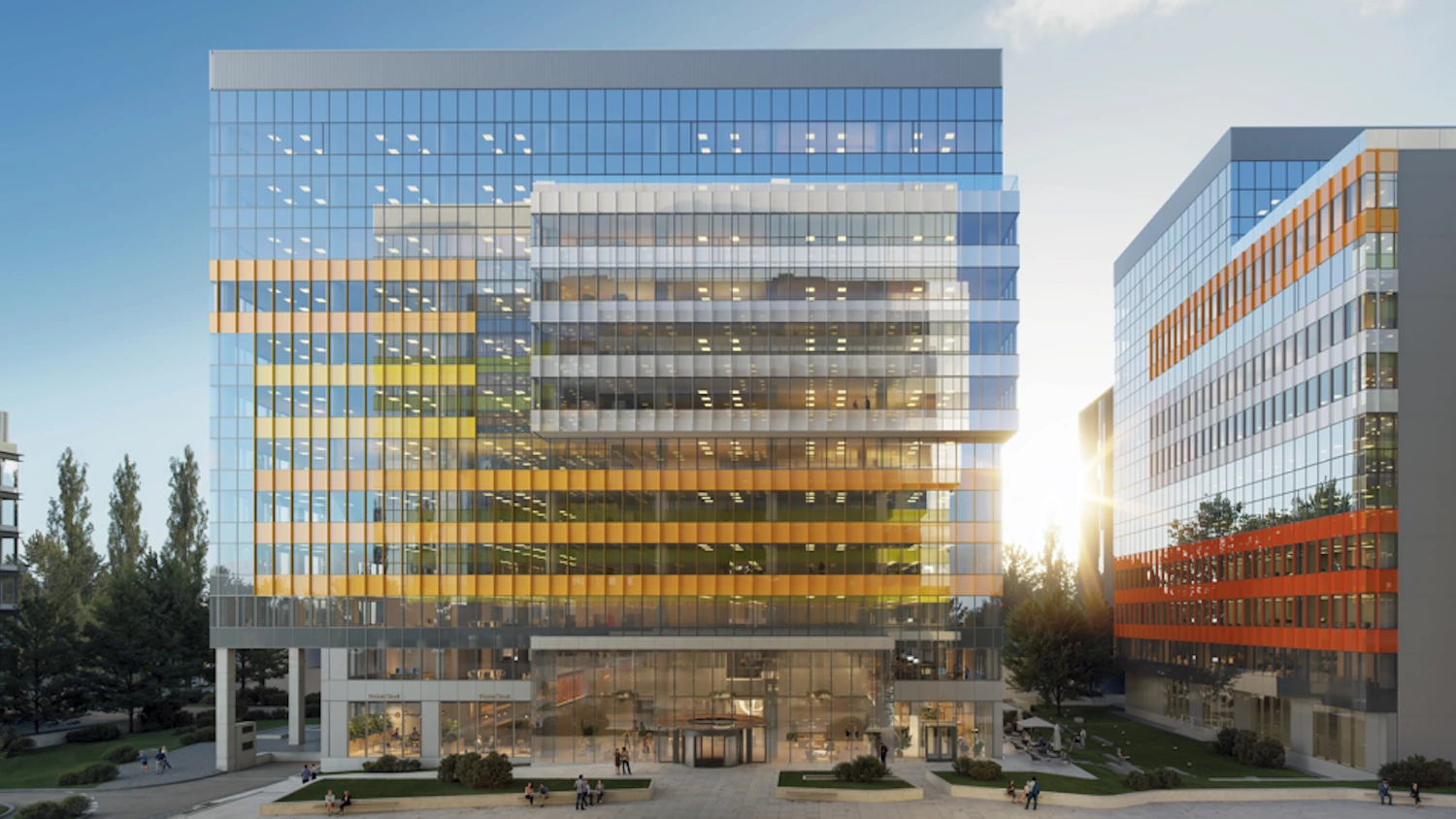
Office buildings constructed 10-15 years ago are undergoing extensive modernization processes, aiming to achieve the highest levels of sustainability. An example is the Yunity Park office complex, where we have the opportunity to be involved. Energy consumption is a key component.
Typically, the energy strategy is structured around three main aspects: reducing energy consumption and improving thermal comfort (thermal envelope rehabilitation, eliminating thermal bridges), enhancing energy efficiency (replacing equipment with more efficient alternatives), and generating energy from renewable sources.
Protecting and enhancing biodiversity is also crucial, not only for environmental goals but also because such spaces are highly valued by building users. However, it's not just the modernization of buildings that matters. Equally important is how these buildings are subsequently managed. The policies and procedures of organisations that continuously monitor building operations and occupants' well being play a significant role. Additionally, processes must be in place to continually improve these parameters.
Do Romanian developers have a different strategy compared to international ones regarding building sustainability?
The majority of the projects we are involved in are for international developers who have sustainability policies, understand the concepts, and have internal teams with a high level of authority that oversee the implementation of sustainability standards in their projects.
We have also worked on a few projects with local teams, such as the developments by Vox Property Group. However, these require much more time, involvement, and energy.
How attentive are financial institutions to the sustainability theme of a real estate project?
Financial institutions are the main driving force behind sustainability. Our most ambitious clients are influenced by green financing, issue green bonds, and have strict requirements from investment funds.
The results of certifications obtained serve as performance indicators that they present to boards or use to prepare their building portfolios to align with sustainability requirements for better evaluation before transactions. I conclude by mentioning that financial institutions' requirements regarding green certifications are often too modest.
Typically, the requirement is for a BREEAM “Very Good” level (level 3 out of 5) or equivalent. However, if financiers want to validate the ESG performance of buildings, they should request at least a BREEAM “Excellent” level, and for offices, even “Outstanding.”