
Intesa Sanpaolo Bank Romania CEO resigns

Business Forum
The Board of Directors of Intesa Sanpaolo Bank Romania has acknowledged the resignation of Alessio Cioni from his roles as General Manager and Chairperson of the Management Committee (CEO).

Following his departure, executive duties will be assumed by First Deputy General Manager Jola Dima, in line with the bank's internal governance framework and Articles of Association. The Board has initiated formal procedures to select and appoint a permanent successor.

Cioni leaves the top post after serving as CEO since October 2024. Prior to leading the Romanian subsidiary, he built an extensive 26-year career within the broader Intesa Sanpaolo Group. His international executive track record includes positions as Deputy CEO and Board Member at ALEXBANK in Egypt, Deputy President of the Supervisory Board at Banka Koper d.d. in Slovenia, and President of the Supervisory Board at Intesa Sanpaolo Banka d.d. Bosna i Hercegovina.

His earlier executive tenures also feature Deputy CEO roles at Privredna banka Zagreb d.d. in Croatia and Banca Intesa Beograd in Serbia, alongside diverse structural and project finance roles in Budapest and New York.

RECOMMENDED
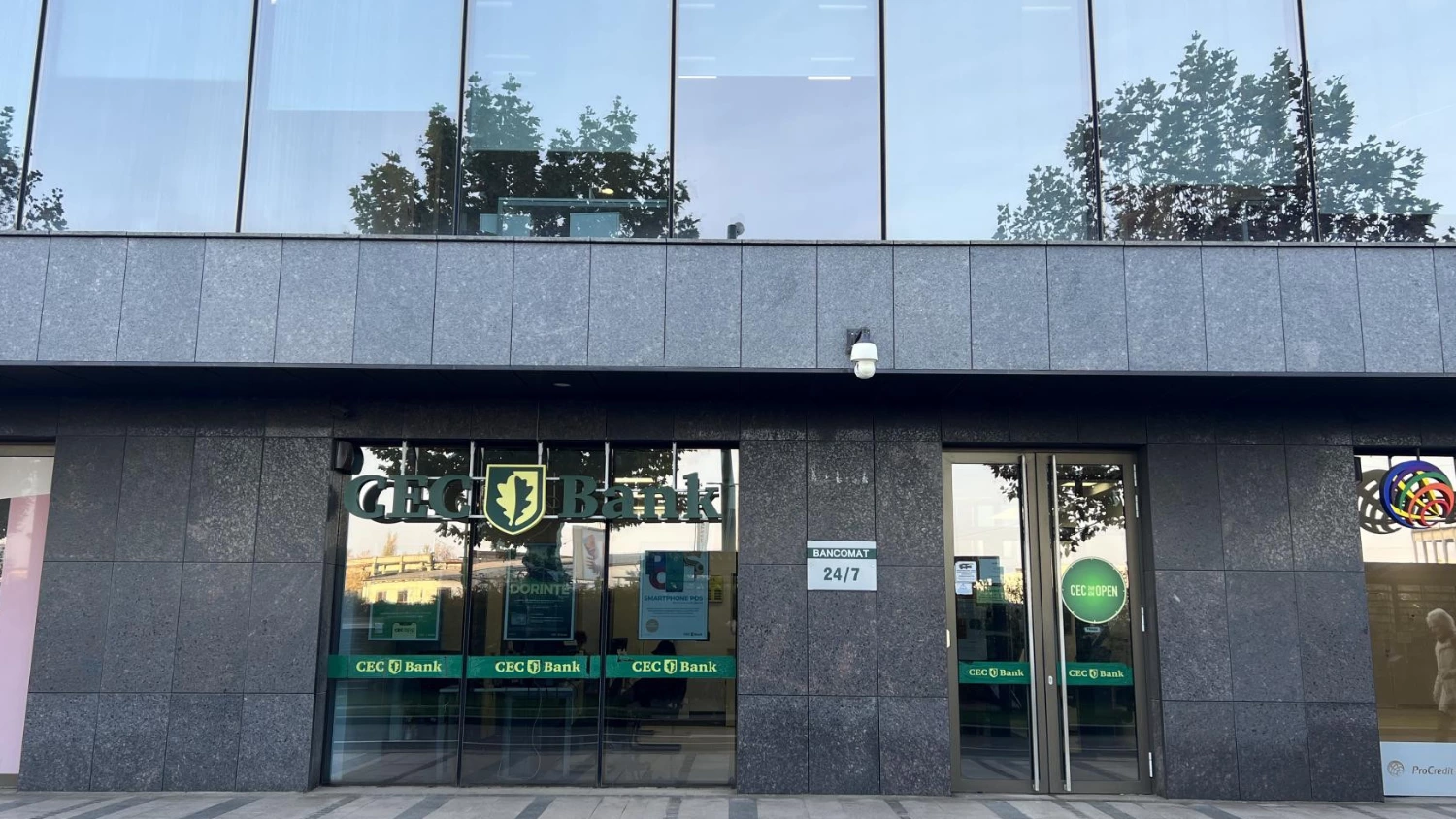
CEC Bank gets rating upgrade from Fitch
Finance

CEC Bank gets rating upgrade from Fitch

Fitch Ratings has upgraded CEC Bank's Long-Term Issuer Default Rating from BB to BB+ with a Stable Outlook, following the publication of Fitch's updated Bank Rating Criteria on 8 May 2026.

RECOMMENDED FROM THE HOME PAGE
Electrica secures grid permits for 700 MWh of storage
Energy

Electrica secures grid permits for 700 MWh of storage

Energy company Electrica informs investors and the capital market that it has obtained the technical grid connection permits (ATR) for 17 new battery energy storage projects (BESS), with a total capacity of approximately 700 MWh.

Energy

Romanian grid operator to support peak power consumption during heatwave

Romania's national electricity transmission network operator, Transelectrica, has halted scheduled maintenance shutdowns to ensure the grid operates at maximum capacity during an ongoing extreme heatwave. The preventive measures aim to mitigate operational risks associated with severe weather conditions.