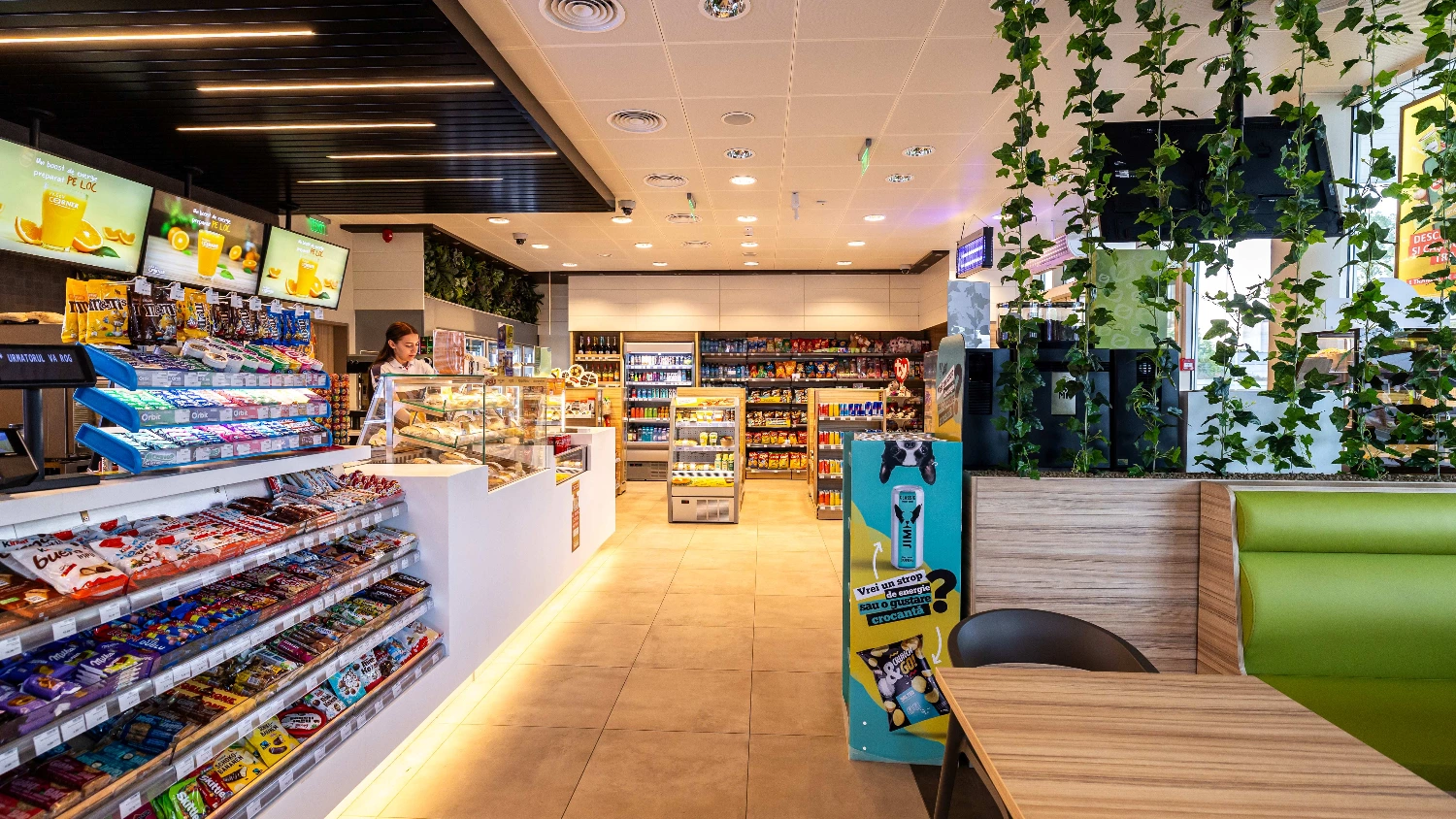
MOL Group disclosed its financial results for 2025, showing profit before tax of $1.3 billion, representing an 11% decrease compared to 2024. The Hungarian energy company faced a challenging macroeconomic environment, but strong downstream and consumer services results supported overall profitability.
MOL Group reported a profit before tax of $236 million in the second quarter of 2025, marking a 56% year-on-year decrease. The company's performance was impacted by a slowing regional macroeconomic environment.
MOL Group continues to diversify its oil supply sources by importing 85,000 tonnes of CPC oil and signing a commercial agreement with KazMunayGas (KMG).
The Agreement's key priority is the expansion of the existing exploration and production cooperation and the application of MOL technology in Kazakhstan.
MOL has also signed a Memorandum of Understanding with SOCAR to evaluate further potential cooperation opportunities in the area of hydrocarbon exploration in Azerbaijan.
Bucharest is consolidating its position within the Central and Eastern European (CEE) real estate market, combining rental growth across major asset classes with investment yields that remain well above Western European levels, according to the DNA of Real Estate Europe Q2 2026 report published by Cushman & Wakefield. Across Europe in Q2 2026, prime office rents rose 4.5% year-on-year, retail rents increased 3.0%, and logistics rents grew 2.4%, while investors remained selective as yield movements pointed to a more balanced market following the repricing cycle of recent years.
Energy company Electrica informs investors and the capital market that it has obtained the technical grid connection permits (ATR) for 17 new battery energy storage projects (BESS), with a total capacity of approximately 700 MWh.
The European Retail Banking Radar, Kearney's latest study now in its 18th edition, shows that Europe is entering a period of normalisation following the conditions of 2023–2025. For Romania, the challenge extends beyond the normalisation of interest rates.
Romania's national electricity transmission network operator, Transelectrica, has halted scheduled maintenance shutdowns to ensure the grid operates at maximum capacity during an ongoing extreme heatwave. The preventive measures aim to mitigate operational risks associated with severe weather conditions.
Digi Spain has announced its intention to launch an initial public offering (IPO) on the Spanish stock exchanges, aiming to raise approximately €150 million.