


Over the past few years, the region has quietly strengthened many of the fundamentals that investors typically look for when assessing new markets. Improved infrastructure, a growing innovation ecosystem, strong universities, competitive operating costs and substantial EU funding have all contributed to a shift that is becoming increasingly difficult to ignore. What was once seen primarily as a peripheral region is beginning to emerge as a strategic gateway connecting the European Union with the Republic of Moldova and Ukraine, offering opportunities that extend well beyond the Romanian market.
This changing perception is no coincidence. Investment decisions today are influenced by a very different set of priorities than they were a decade ago. Companies are reassessing supply chains, manufacturers are looking to diversify production locations, and investors are placing greater emphasis on resilience, talent availability and long-term growth potential rather than simply minimising costs. North East Romania increasingly finds itself well positioned across all of these criteria.
The numbers tell part of the story. With more than 3.2 million inhabitants, North East Romania is the country's largest development region by both population and area. More than one million people make up its active workforce, while nine industrial parks and six counties provide a diverse economic base that spans manufacturing, services, agriculture and technology. Rather than relying on a single industry, the region has developed a broad economic profile that offers investors flexibility across multiple sectors.
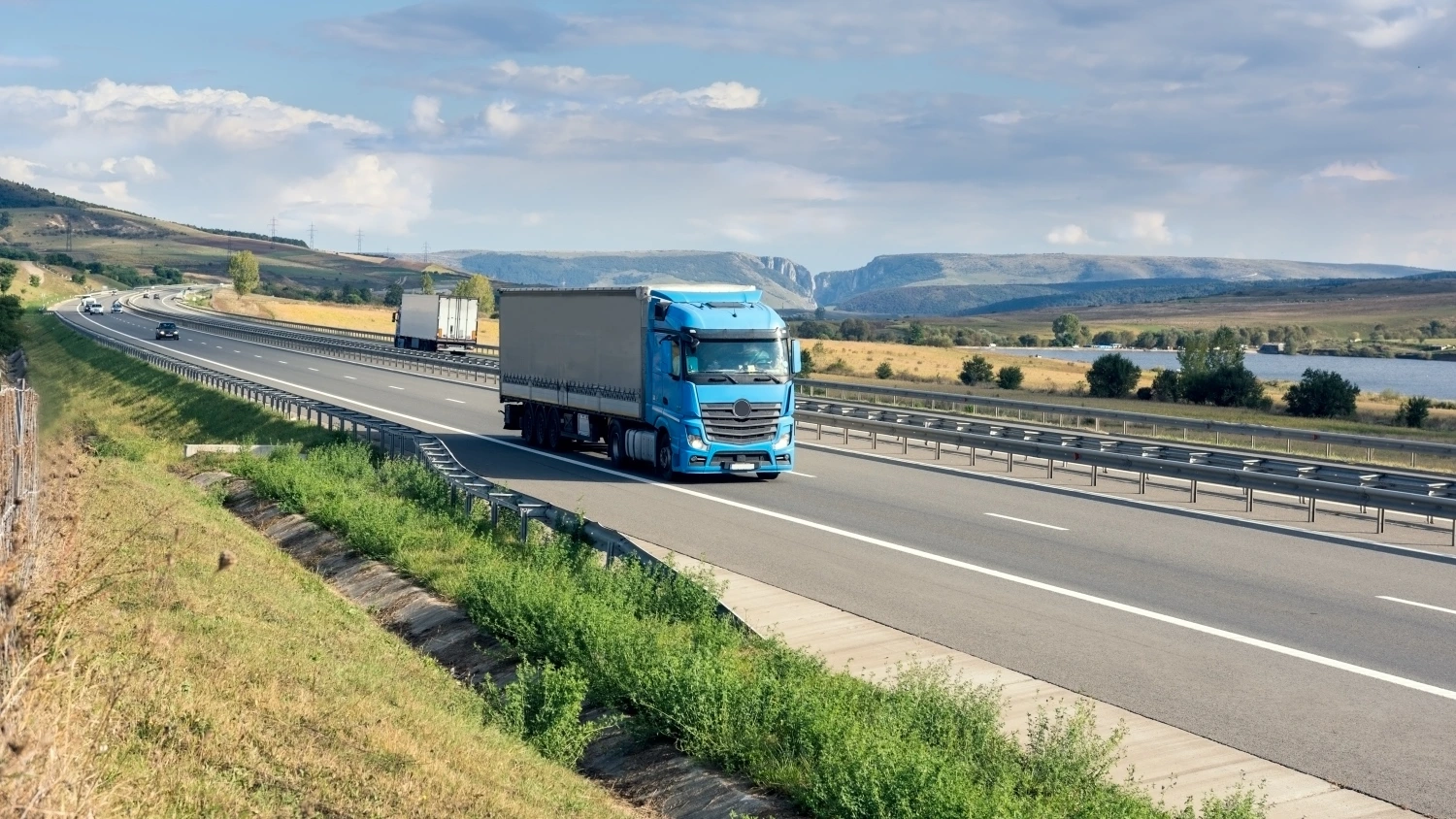
Geography is another factor working in the region's favour. Historically, North East Romania's location was often viewed as a disadvantage because of its distance from Western European markets. Today, the opposite argument is gaining traction. Sitting on the European Union's eastern border and sharing close economic links with the Republic of Moldova while offering proximity to Ukraine, the region is becoming increasingly relevant as companies rethink logistics networks and prepare for future reconstruction and cross-border investment opportunities. Combined with Romania's EU and NATO membership, this gives the region a strategic position that extends well beyond national borders.
Of course, geography alone does not attract investment. Investors also need confidence that they will find skilled employees, reliable institutions and an environment capable of supporting long-term business growth. Here too, North East Romania has quietly built a compelling proposition.
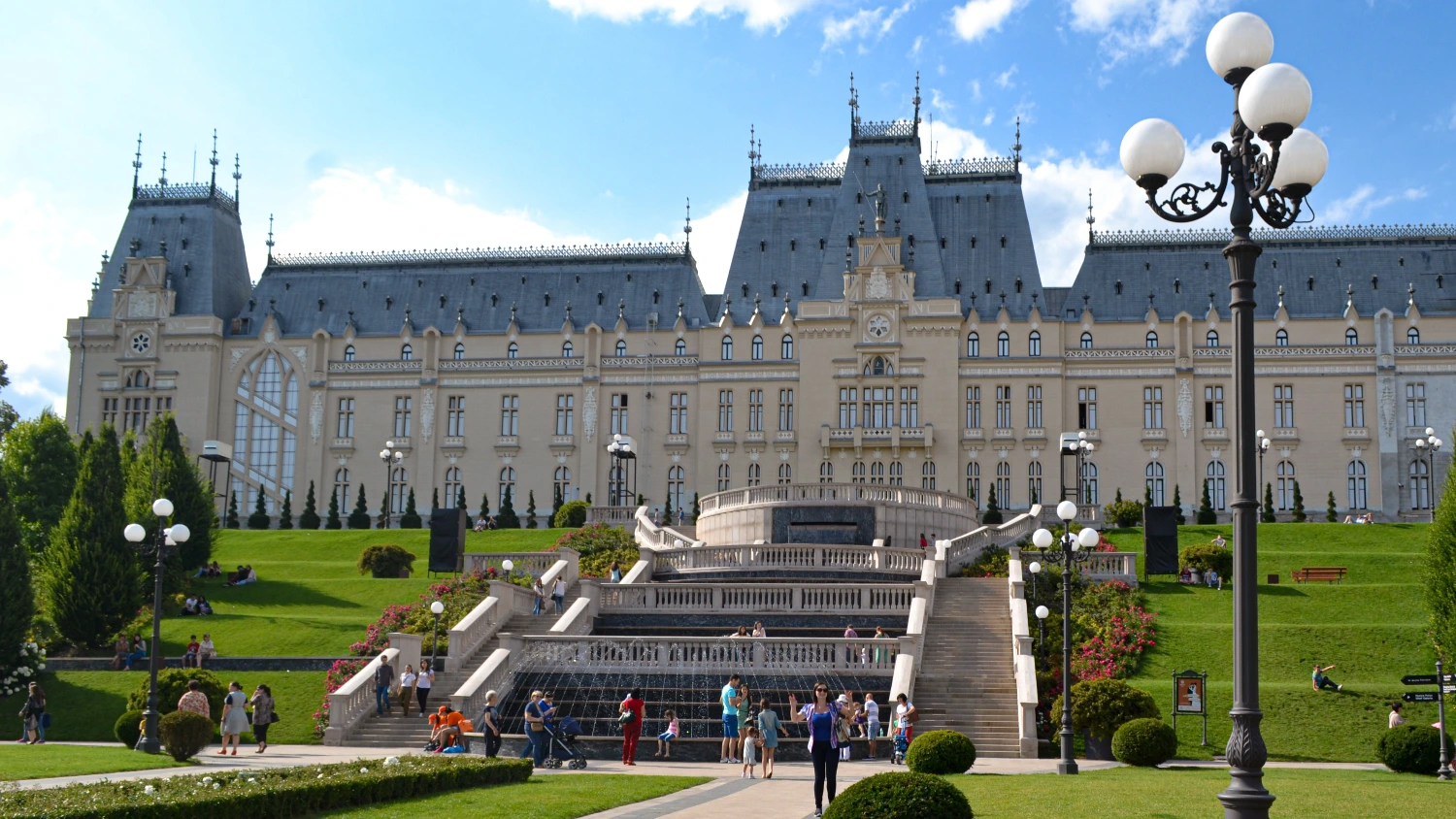
The region's higher education system is one of its strongest competitive advantages. Iași, Bacău and Suceava together host seven public universities and four private institutions, producing graduates in engineering, information technology, medicine, life sciences, agriculture and the creative industries. This steady pipeline of talent has helped attract technology companies, business services and advanced manufacturing while creating an ecosystem where research, innovation and entrepreneurship increasingly reinforce one another.
Talent development is expected to feature prominently at EastGate 2026, reflecting a broader discussion taking place across Europe. For many companies, finding qualified employees has become just as important as securing attractive investment incentives. As businesses increasingly compete for skilled professionals rather than simply lower operating costs, regions with strong educational institutions are gaining a significant advantage.
Institutional support has also become an increasingly important part of the investment equation. The North-East Regional Development Agency has expanded its role well beyond promoting the region internationally, offering practical assistance throughout the investment process. Its services range from site selection and identifying local suppliers to facilitating access to European funding, connecting investors with universities and research centres and supporting project implementation. For international companies entering a new market, this type of coordinated support can significantly reduce both risk and complexity.
Public investment is reinforcing these efforts. Through the 2021-2027 North-East Regional Programme, the region has access to €1.75 billion dedicated to improving competitiveness, innovation, infrastructure and the overall business environment. These investments are designed not only to enhance quality of life but also to create the conditions necessary for sustained private-sector growth. At the national level, Romania continues to complement regional programmes with a range of state aid schemes and investment incentives aimed at manufacturing, industrial development and innovation.
The interaction between public investment and private capital is another theme that runs throughout the EastGate 2026 programme. Successful investment destinations are rarely built by market forces alone. They emerge where infrastructure, education, business support and private enterprise evolve together, creating an ecosystem capable of sustaining long-term growth.
Perhaps the strongest indication that North East Romania is entering a new phase is that conversations about the region are becoming less focused on potential and more focused on execution. Investors are no longer asking whether the region has the right ingredients for growth. Instead, they are increasingly interested in where opportunities are emerging, which sectors are gaining momentum and how quickly the region can capitalise on its competitive advantages.
Those questions will shape many of the discussions in Iași this September, but they also reflect a broader shift taking place across the investment market. As companies continue searching for resilient locations that combine talent, connectivity, institutional support and room for expansion, North East Romania is steadily moving from the margins of investors' maps towards the centre of their attention. EastGate 2026 is the place where that transformation is not only analysed but actively shaped, bringing together the people who are helping define the region's next chapter.