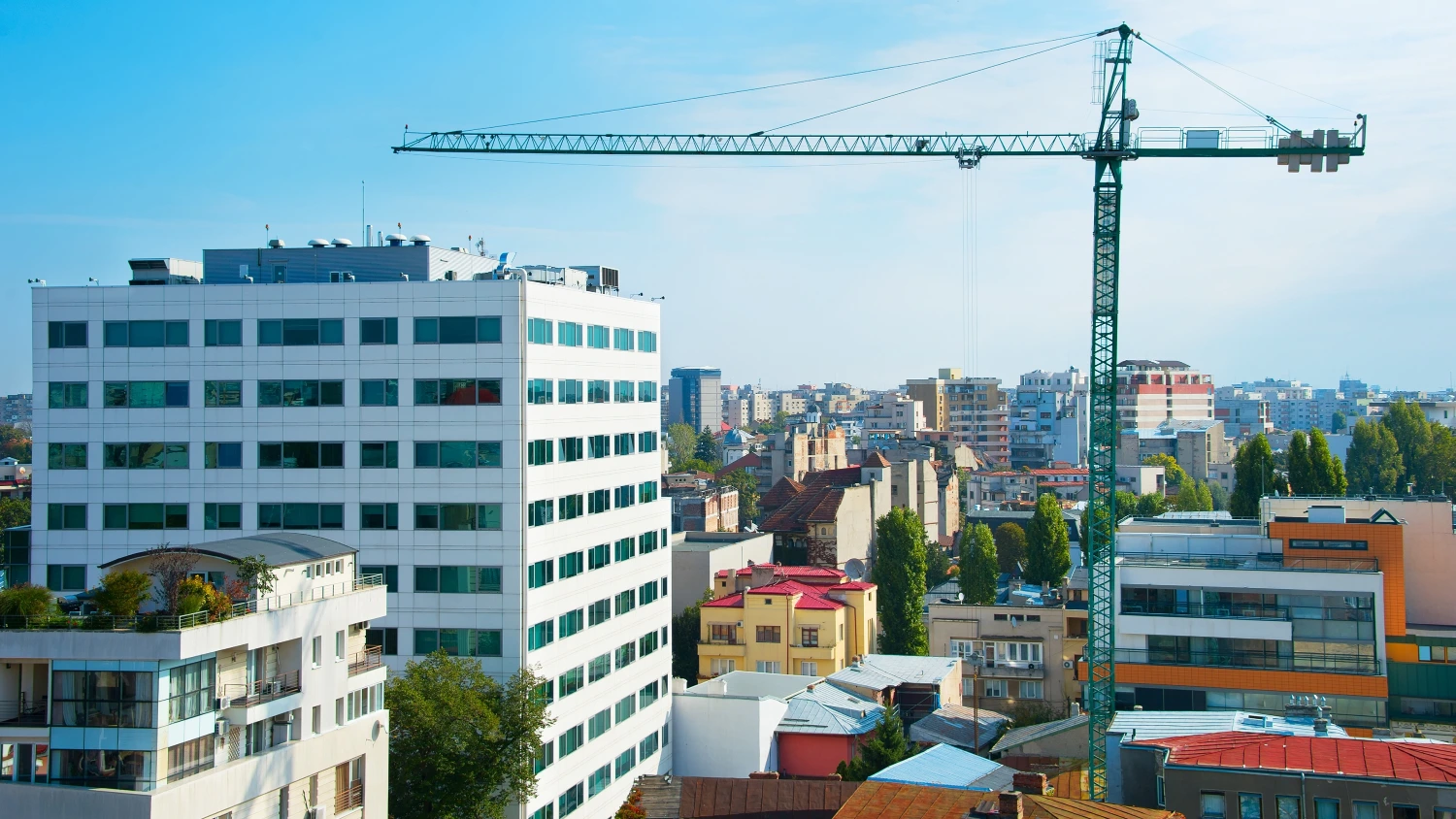
North-East Romania has an increasingly important role to play in the economic transformation of the wider region. Positioned at the intersection of Romania, the Republic of Moldova and Ukraine, the region has the opportunity to become a significant gateway for investment, infrastructure development, industrial growth and future reconstruction.
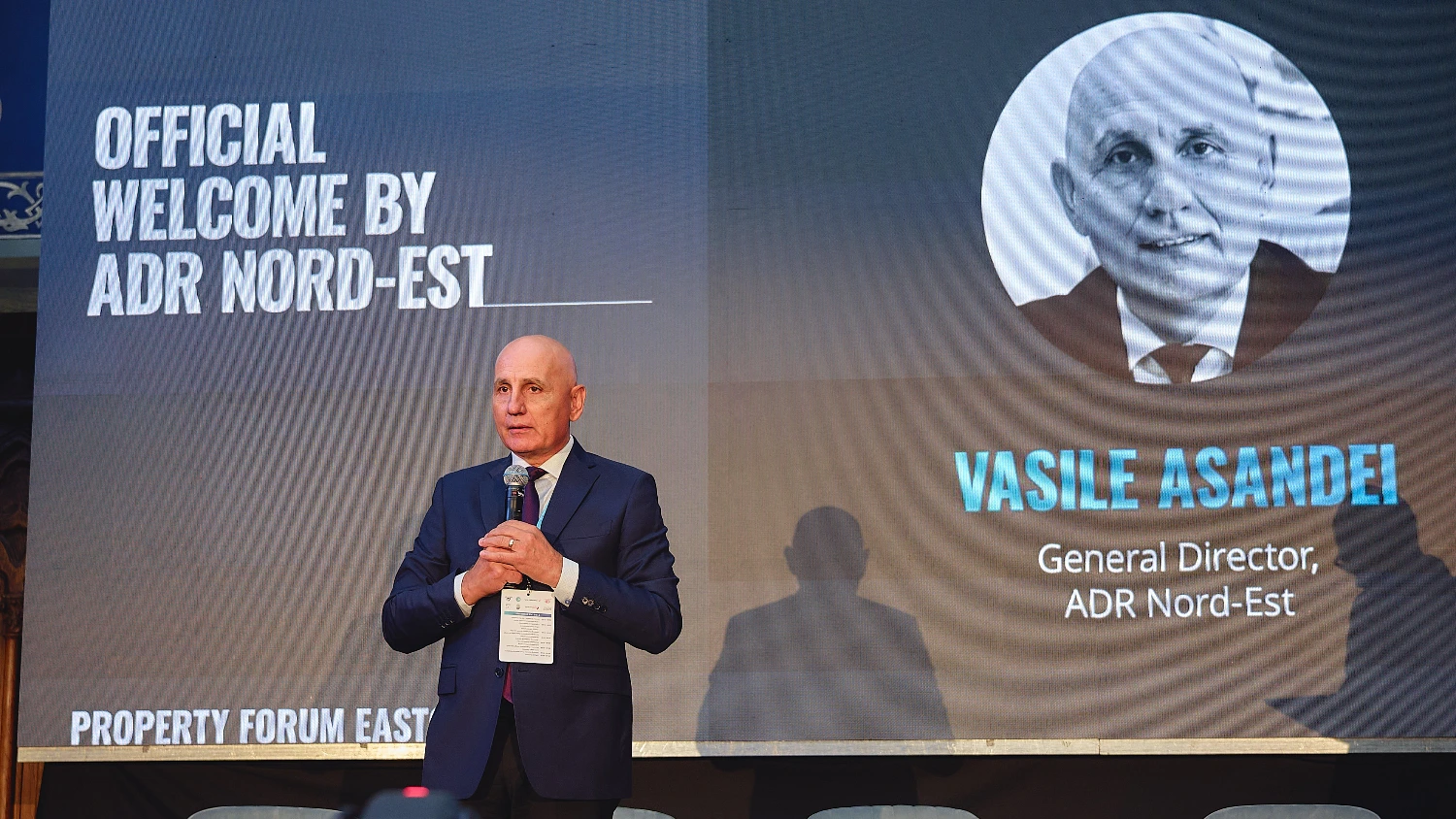
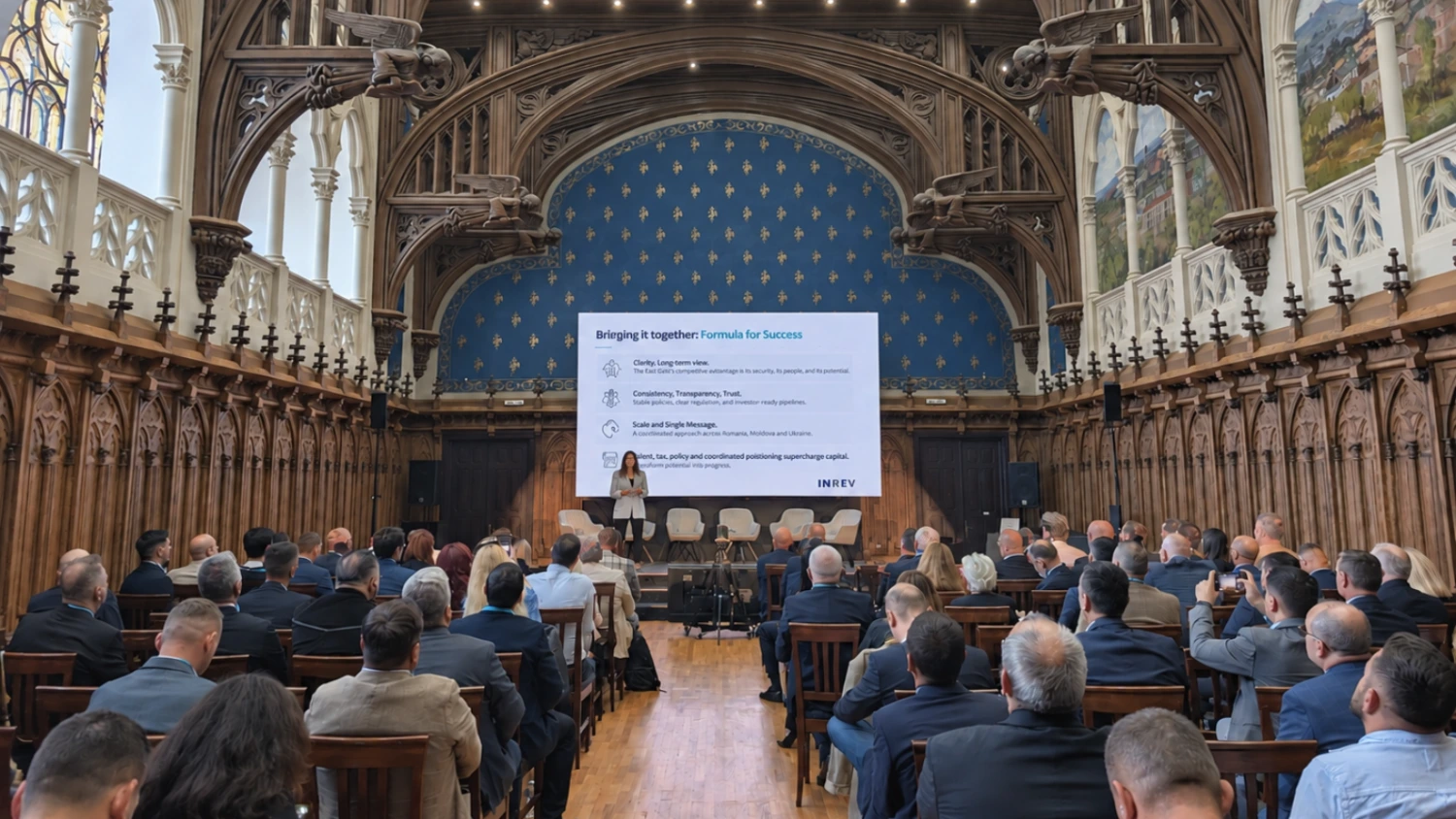
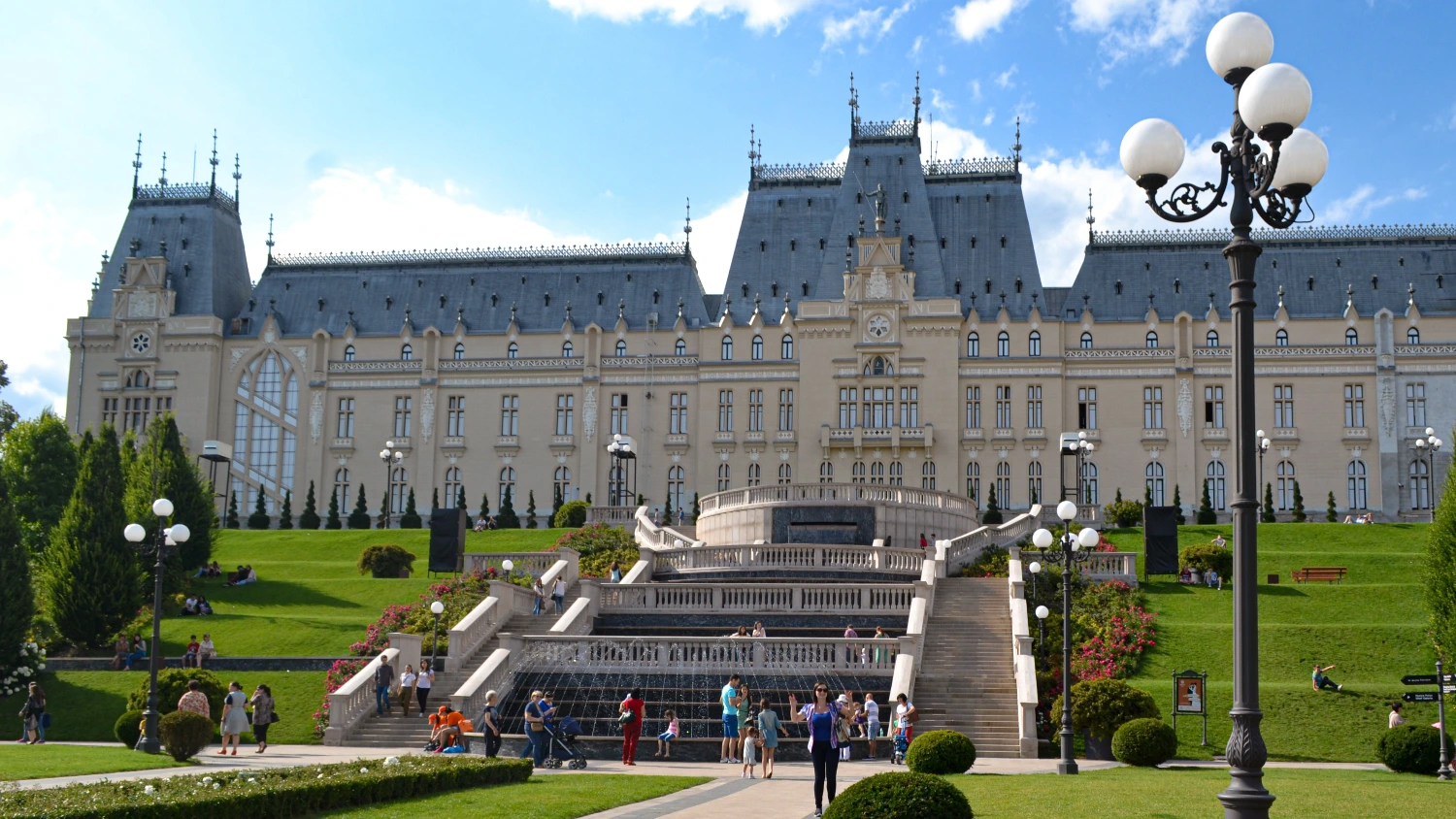
Property Forum's first EastGate Investment Showcase, held on 15 September, brought together investors, business leaders, financial institutions, public authorities and regional decision-makers at the Palace of Culture in Iași to explore how Northeast Romania and the wider Romania-Moldova-Ukraine corridor can translate its strategic position into investable opportunities. The event created a new meeting point between international capital and regional stakeholders, with discussions ranging from infrastructure and energy to real estate, logistics and Ukraine's reconstruction. EastGate's objective extends beyond the event itself: the initiative will continue with the development of the EastGate Investment Pipeline 2027, aimed at identifying and preparing concrete opportunities for investors.
Across CEE, the strongest investment stories are often found in markets that remain relatively small. Before Warsaw became one of Europe's largest logistics hubs or western Romania emerged as a manufacturing powerhouse, both were characterised by the same combination of improving infrastructure, competitive costs and limited modern stock. Today, a similar conversation is beginning to take shape around Iași.
Every region with international ambitions eventually reaches the same point. Competitive labour costs, strategic location and investment incentives may succeed in attracting attention, but sustaining long-term growth requires something more. Investors need access to decision-makers, businesses need reliable public-sector partners and local authorities need a platform where regional opportunities can be presented to an international audience.
North East Romania has long been recognised as one of the country's manufacturing centres, but reducing the region's investment story to factories and production lines no longer tells the full picture. Over the past decade, a broader economic ecosystem has begun to emerge, one that combines advanced manufacturing with technology, research, healthcare, logistics and a rapidly evolving business services sector. It is this diversification that is increasingly attracting the attention of investors and will be one of the key themes explored at the inaugural edition of EastGate this September.
For decades, Romania's investment story has largely been associated with Bucharest, Cluj-Napoca and the country's western industrial hubs. Yet as investors search for new growth opportunities across Central and Eastern Europe, attention is increasingly shifting east. This emerging trend will be at the heart of discussions during EastGate 2026, where investors, developers, business leaders and public officials will gather in Iași to examine why North East Romania is becoming one of Europe's most promising investment destinations.
EastGate 2026, taking place in Iași on 15-16 September, is a new international forum designed to connect investors, developers, financial institutions, public authorities and business leaders across Romania, the Republic of Moldova and Ukraine. Property Forum is delighted to announce the North-East Regional Development Agency (ADR Nord-Est) as an Institutional Partner of EastGate 2026.
When international investors discuss Romania, the conversation often begins with Bucharest and increasingly includes cities such as Cluj-Napoca, Timișoara and Brașov. Yet one of the country's most compelling growth stories is unfolding further east.
For decades, investment activity in Central and Eastern Europe has been concentrated around a handful of established markets and capital cities. Yet some of the most significant economic shifts taking place today are happening further east, along a corridor connecting Romania, Moldova and Ukraine.
Bucharest is consolidating its position within the Central and Eastern European (CEE) real estate market, combining rental growth across major asset classes with investment yields that remain well above Western European levels, according to the DNA of Real Estate Europe Q2 2026 report published by Cushman & Wakefield. Across Europe in Q2 2026, prime office rents rose 4.5% year-on-year, retail rents increased 3.0%, and logistics rents grew 2.4%, while investors remained selective as yield movements pointed to a more balanced market following the repricing cycle of recent years.
Energy company Electrica informs investors and the capital market that it has obtained the technical grid connection permits (ATR) for 17 new battery energy storage projects (BESS), with a total capacity of approximately 700 MWh.
The European Retail Banking Radar, Kearney's latest study now in its 18th edition, shows that Europe is entering a period of normalisation following the conditions of 2023–2025. For Romania, the challenge extends beyond the normalisation of interest rates.
Romania's national electricity transmission network operator, Transelectrica, has halted scheduled maintenance shutdowns to ensure the grid operates at maximum capacity during an ongoing extreme heatwave. The preventive measures aim to mitigate operational risks associated with severe weather conditions.
Digi Spain has announced its intention to launch an initial public offering (IPO) on the Spanish stock exchanges, aiming to raise approximately €150 million.