


What was once viewed as the geographical edge of the European Union is increasingly becoming a strategic gateway linking EU markets with Moldova and, ultimately, the reconstruction and economic recovery of Ukraine. Infrastructure investment, supply chain realignment, industrial expansion and growing regional cooperation are combining to create a compelling new growth story that is attracting increasing attention from investors, developers, lenders and businesses.
The transformation is already underway
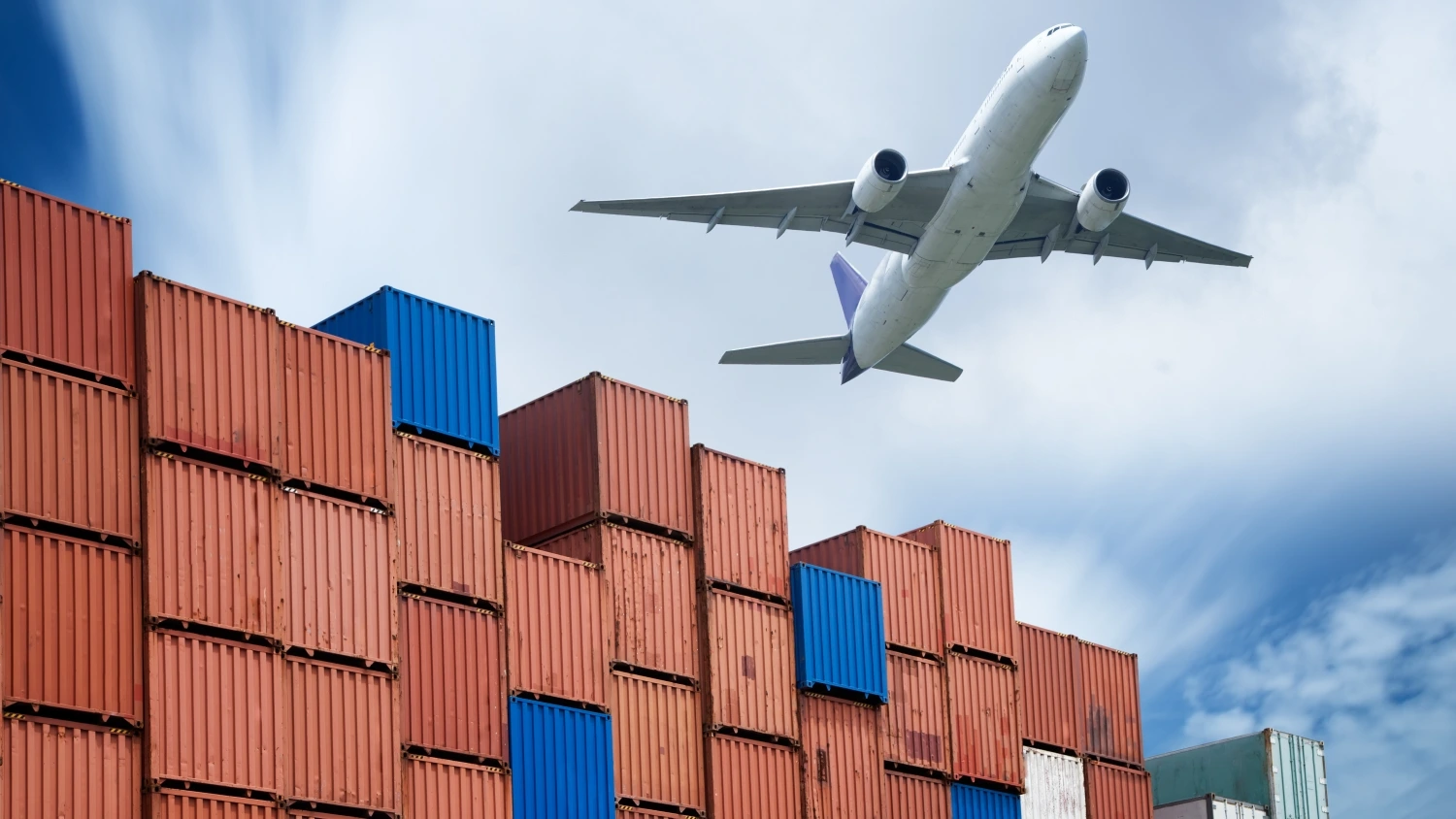
Across Eastern Romania, major infrastructure projects are reshaping connectivity. The development of the A7 motorway, improvements to border infrastructure and growing investment in logistics and industrial facilities are strengthening the region's role as a trade and transportation hub. As businesses seek more resilient supply chains, diversify manufacturing locations and position themselves closer to emerging growth markets, the strategic importance of the region continues to increase.
At the same time, Moldova is becoming an increasingly important part of the European economic landscape. Driven by closer integration with European markets, ongoing reforms and growing international interest, the country is gradually transitioning from an overlooked market to a strategic investment destination. While international capital remains underrepresented, many investors are beginning to recognise the long-term opportunities created by Moldova's location, talent base and expanding economic ties with the European Union.
Perhaps most importantly, the conversation around Ukraine is evolving. While large-scale reconstruction remains dependent on future funding and geopolitical developments, businesses and investors are already preparing for the opportunities that will emerge. Supply chains, logistics networks, infrastructure planning and cross-border partnerships are being developed today, laying the foundations for tomorrow's reconstruction efforts.
For many market participants, the question is no longer whether reconstruction-related opportunities will emerge, but how to position themselves early enough to participate in them.
This convergence of infrastructure investment, industrial growth, regional integration and future reconstruction activity is creating a unique investment landscape that extends beyond traditional market boundaries.
For investors, developers, financial institutions and advisors, understanding how these forces interact across the wider region may become a significant competitive advantage over the coming decade. Capital is increasingly seeking opportunities linked to connectivity, logistics, industrial development and long-term economic transformation. The Romania–Moldova–Ukraine corridor sits at the intersection of all four.
As a result, the region is increasingly being viewed not as three separate markets, but as a connected economic zone with the potential to play a much larger role in Europe's future growth. The question for businesses and investors is not whether this corridor matters. The question is who will recognise its potential early enough to benefit from it.
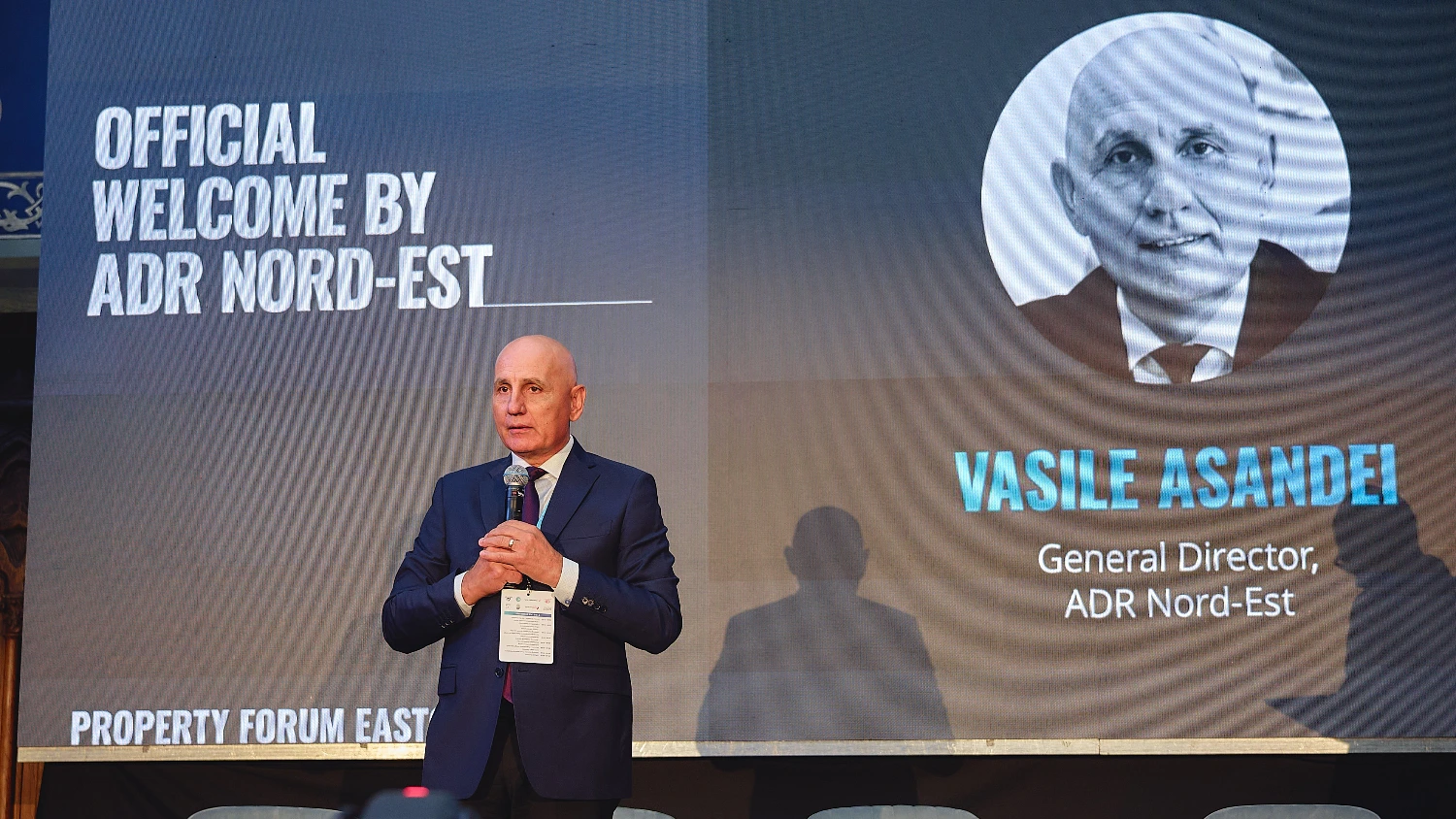
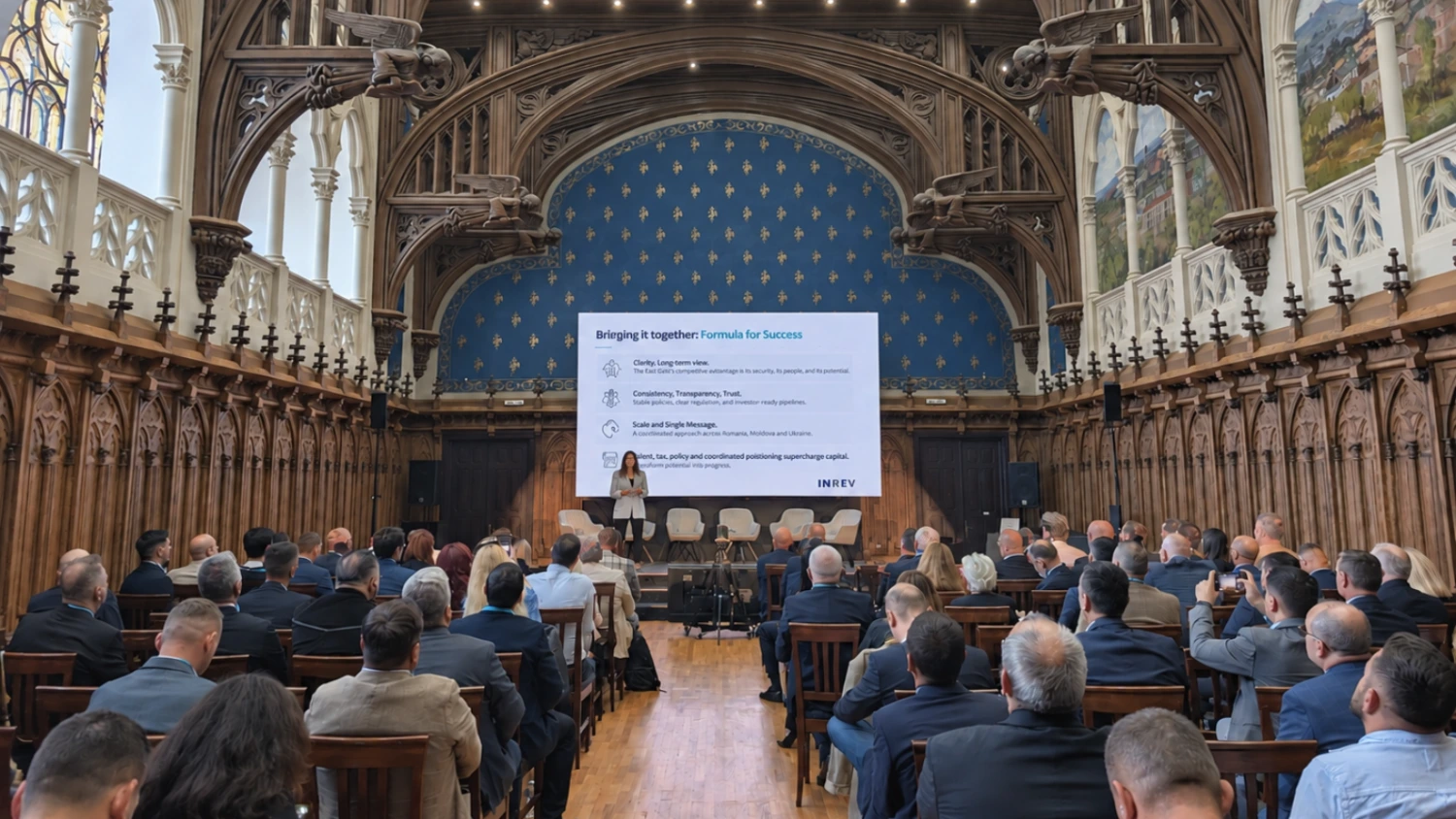
These themes will be at the centre of EastGate 2026, a new investment platform bringing together investors, developers, financial institutions, public authorities, infrastructure leaders and business decision-makers to explore the opportunities emerging across the Romania–Moldova–Ukraine growth corridor.
As Europe looks eastward for its next chapter of growth, the conversation is only just beginning.