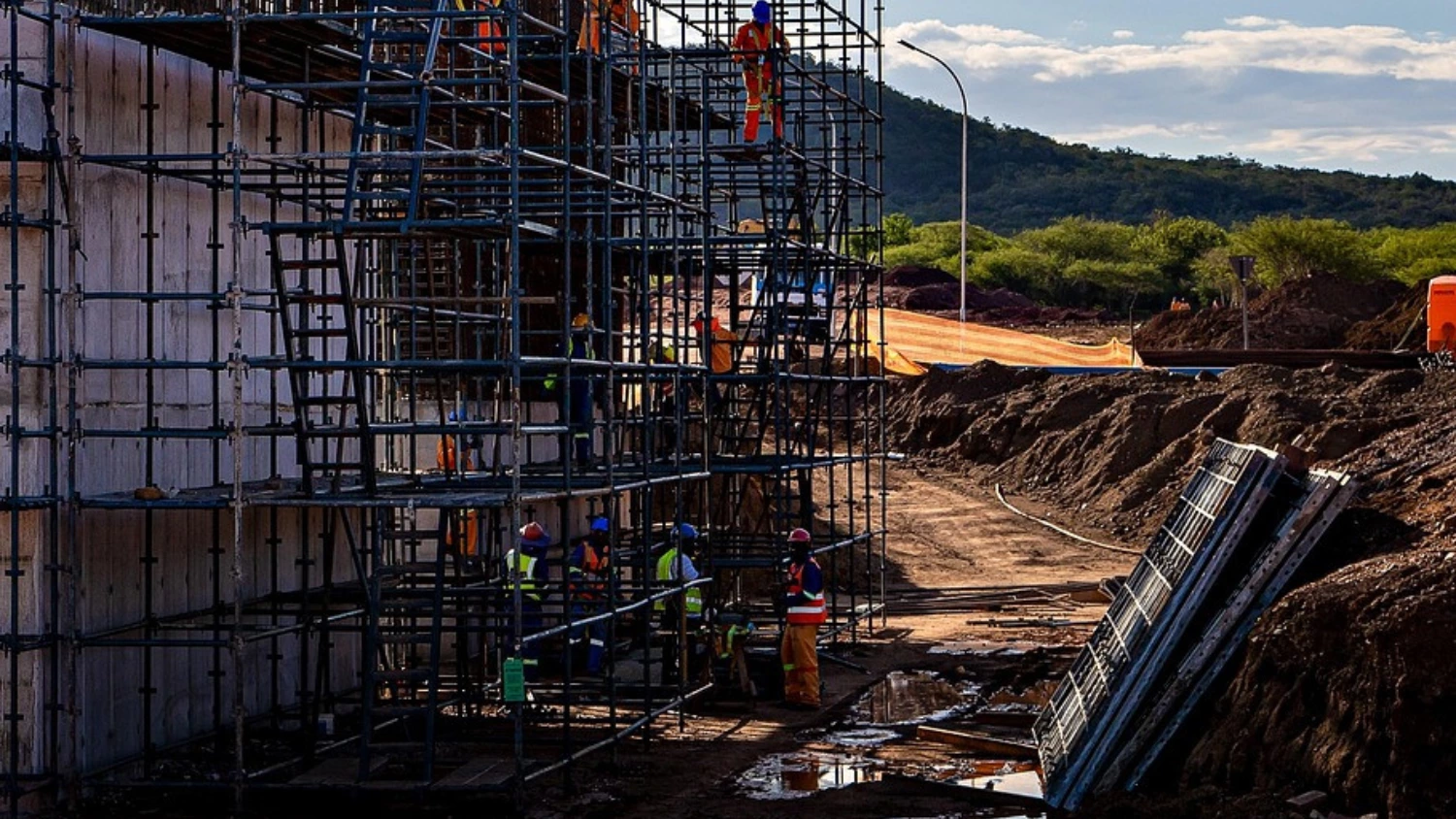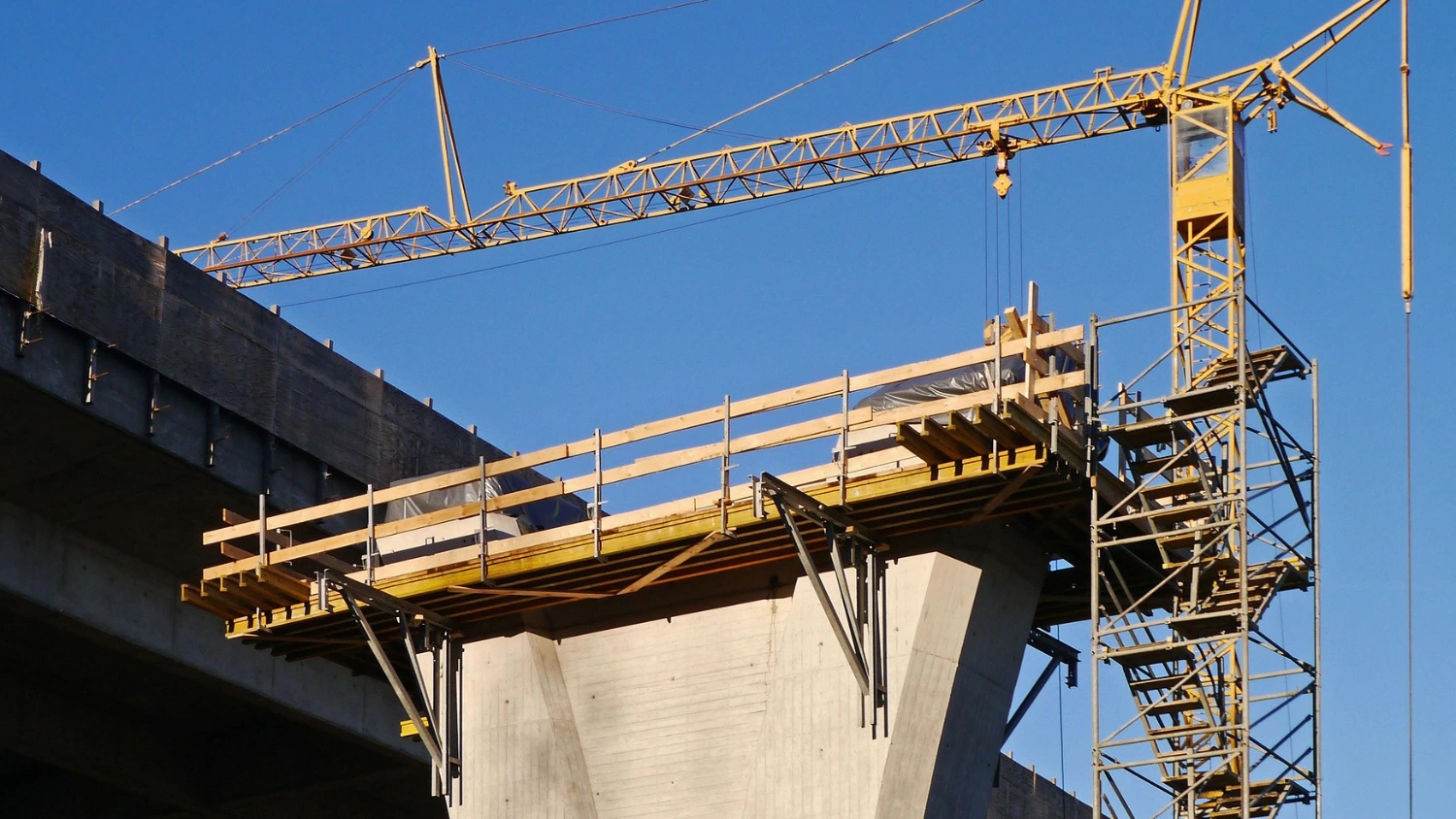

Romania's construction market grew by approximately 12% in the first five months of 2026 compared with the same period last year, according to a Colliers report on the real estate market in the first half of 2026. The residential segment recorded the strongest growth at approximately 16%, followed by infrastructure projects, including roads, railways and hospitals, which rose by around 14% and account for more than half of total sector activity. The non-residential segment grew more slowly, at approximately 6%, as financing remains expensive and private investors are more cautious. The report notes that these figures measure the actual volume of construction works rather than the financial value of investments.

When international investors discuss Romania, the conversation often begins with Bucharest and increasingly includes cities such as Cluj-Napoca, Timișoara and Brașov. Yet one of the country's most compelling growth stories is unfolding further east.
Romanian construction company Concelex recorded revenues of RON 1.48 billion (€296 million) in 2025, representing a 17 per cent increase compared to the previous year.
Polytrade Global, a Romanian group specialising in energy infrastructure, the supply of electrical equipment, and renewable energy projects, closed 2025 with a turnover of around €21.5 million, a 173% increase on the previous year, and a net profit of €579,000.
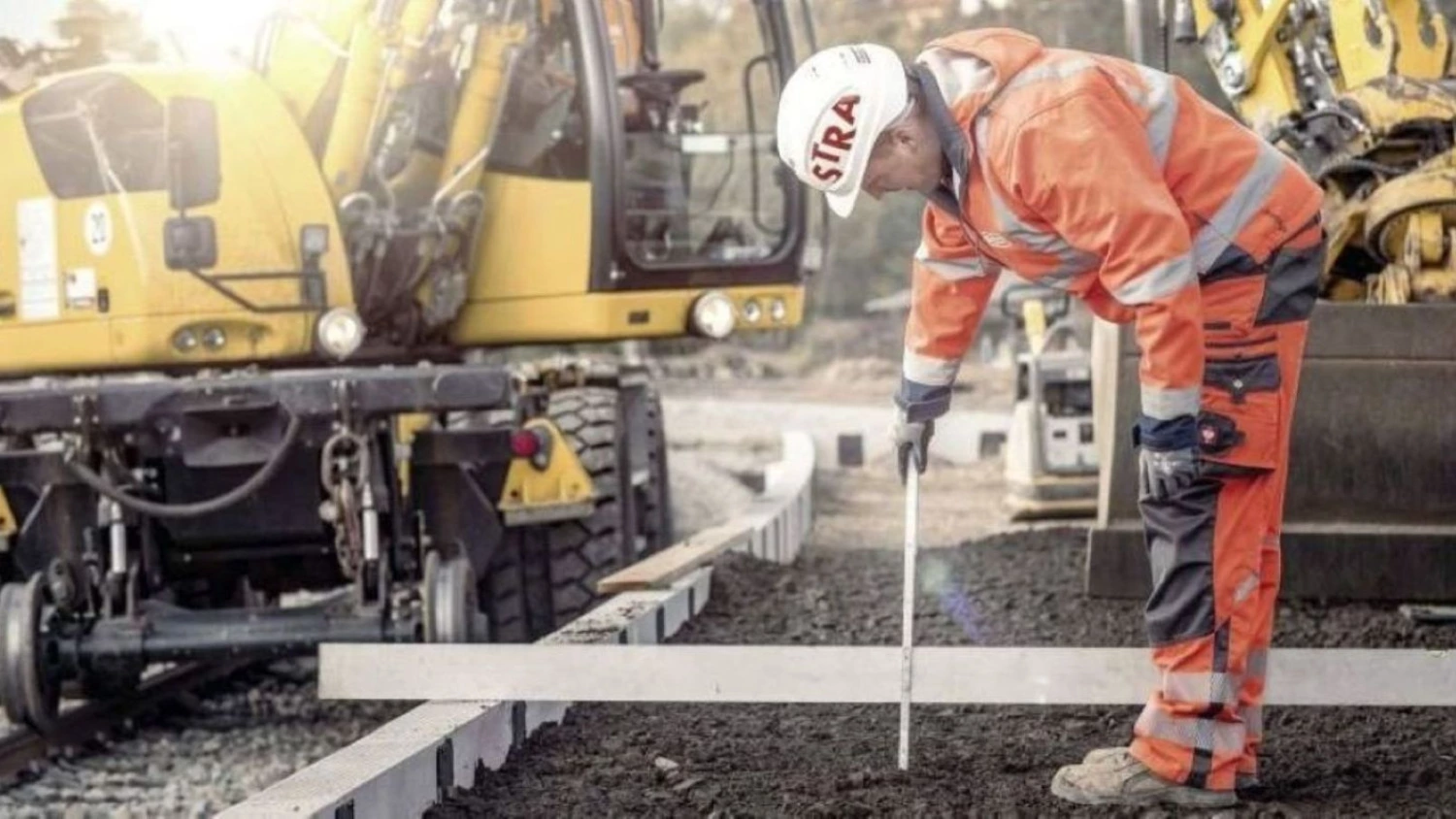
Construction group Strabag SE has signed an agreement to fully acquire Bawi Construction, headquartered in Bucharest, in a bid to strengthen its position in the European railway infrastructure business.
The rapid development of online commerce in recent years has transformed locker networks from an alternative delivery solution into an essential component of Romania's logistics infrastructure, according to representatives of Keba Romania, a provider of infrastructure and technology solutions for logistics, banking services and electric mobility.
Romanian construction activity increased by over 6% in the first two months of 2026, following a record 2025, and remained the country's only major economic sector showing growth in April, according to Colliers analysis based on Eurostat data.
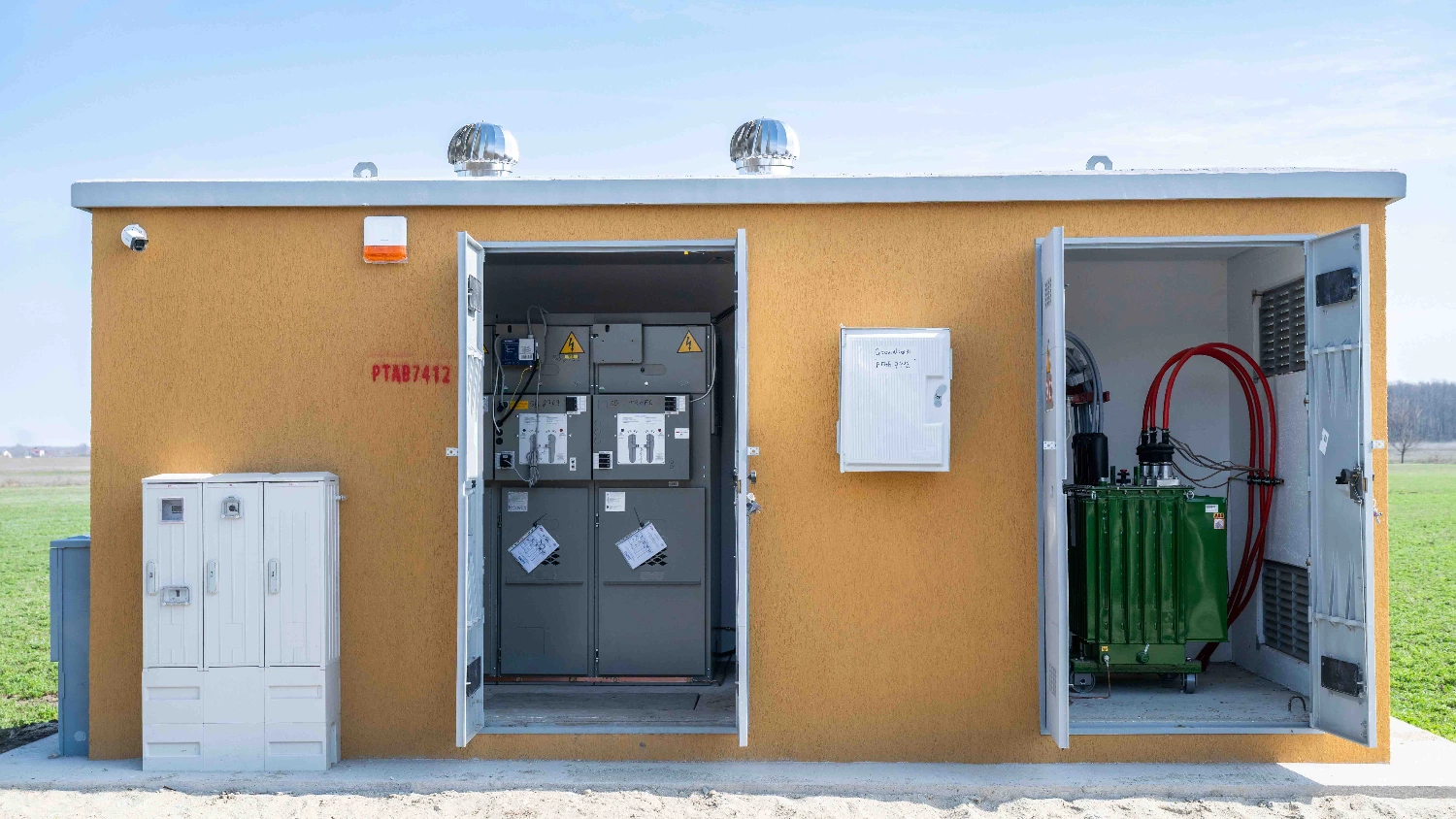
Rețele Electrice Romania, part of the PPC group, has launched a tender worth up to RON 59 million (€12 million) for secondary stations in precast concrete enclosures. The equipment will be used in investment projects between 2026 and 2030.
The Romanian government approved a €500 million financing contract with the European Investment Bank (EIB) for the Sibiu-Pitești highway project on Thursday.
Romania's construction market reached near-record levels in 2025, with work volumes growing almost 8% in the first eleven months compared to the previous year, according to Colliers' annual report. The sector now represents 9% of GDP, the highest share in the European Union and well above the 5% EU average.
Romanian grid power operator Transelectrica has signed a Memorandum of Understanding with Georgian State Electrosystem JSC (GSE) to develop the Georgia-Romania Interconnection Project, a submarine cable in the Black Sea.
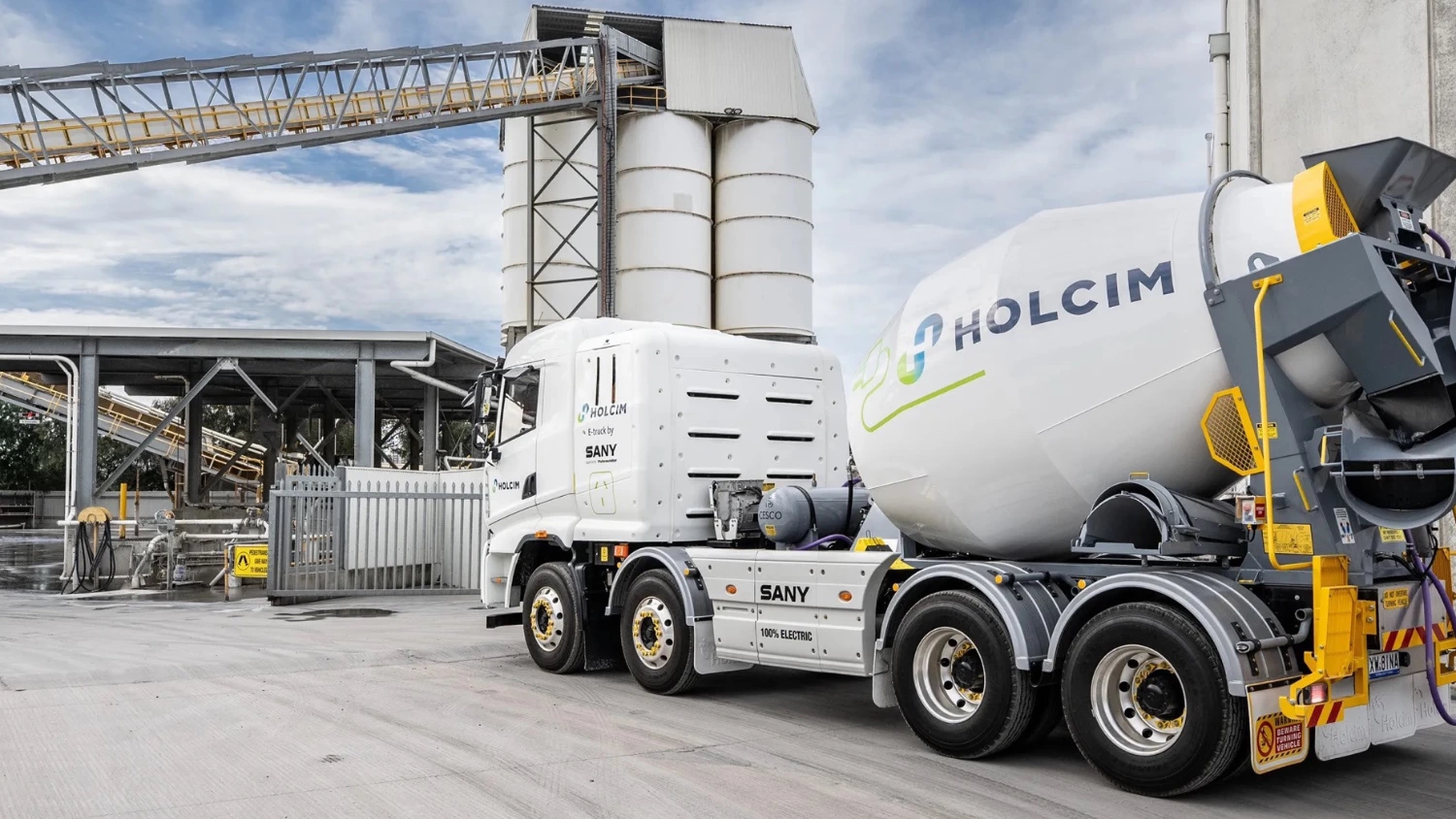
Building-materials supplier Holcim Romania has announced the acquisition of Uranus Pluton, a granite quarry operator active since 2004 in Cerna, Tulcea County.
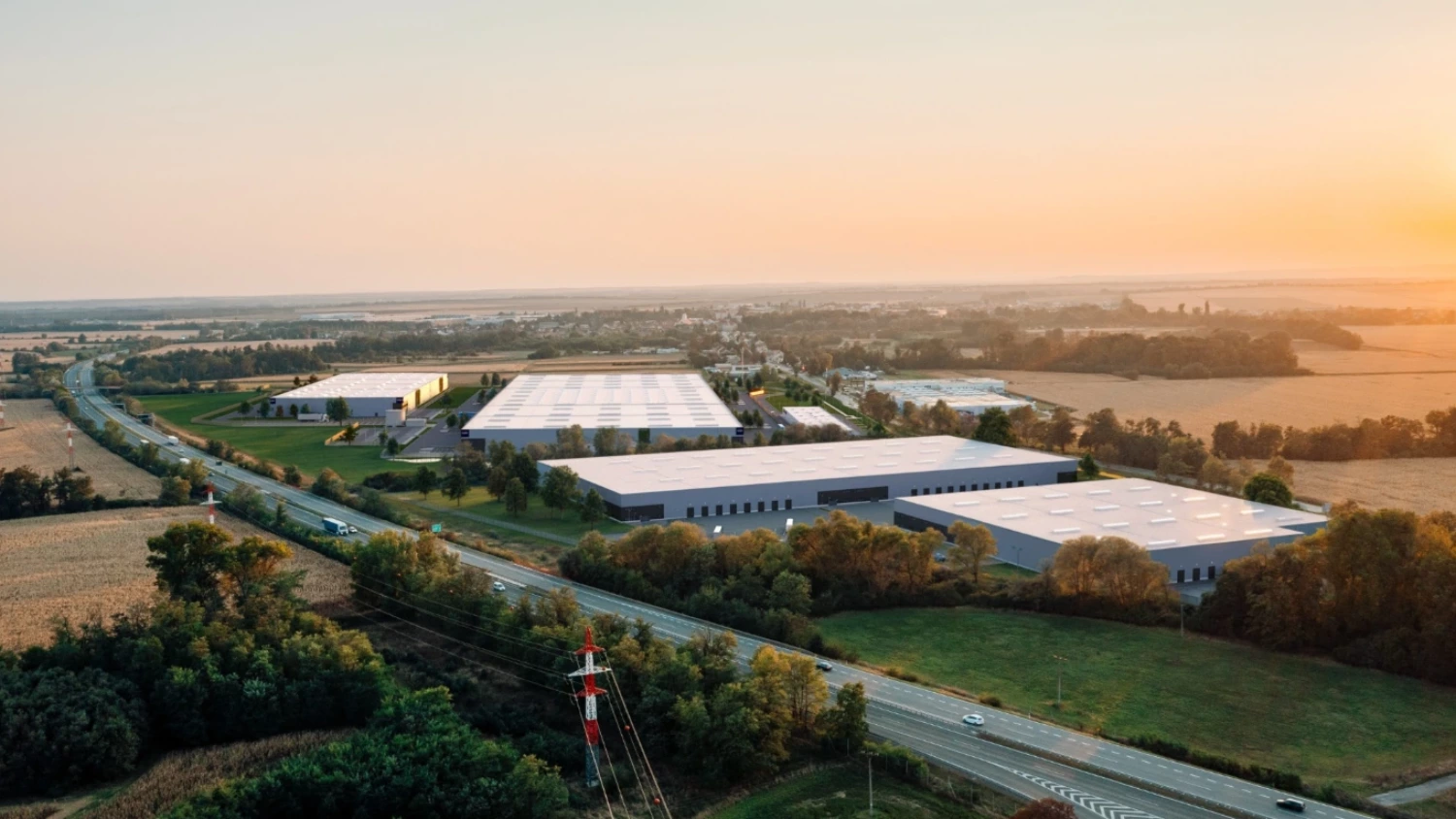
Romania's industrial and logistics sector recorded strong growth in the first three quarters of 2025, driven by activity in the Bucharest area. Total leasing demand reached almost 640,000 sqm between January and September, up 64% compared to the same period last year, according to Colliers data.
Romania's construction sector represents nearly 8% of GDP in the past four quarters, the highest share in the European Union, according to Eurostat data analysed by Colliers. This level significantly exceeds the EU-27 average of 5% and confirms construction's growing importance in the local economy. Romania also recorded the second-fastest post-pandemic growth in construction activity within the EU.
Demand for industrial and logistics spaces in Europe, including Romania, is set to increase significantly in the coming years, driven by investments in defence, green energy, critical materials for the technology sector, and life sciences, according to a report by Cushman & Wakefield.
Romania recorded the fastest growth in road freight transport in the European Union, with companies reporting almost 29 billion tonne-kilometres carried by road in 2023, representing a 69% increase over ten years. This growth rate was three times faster than the EU average, according to Eurostat data cited by Colliers.
The volume of construction works grew by 12.2% in unadjusted terms and by 10.7% as a seasonally and working-day adjusted series in the first seven months of 2025 versus the same period of last year, according to the National Institute of Statistics (INS).
Bucharest is consolidating its position within the Central and Eastern European (CEE) real estate market, combining rental growth across major asset classes with investment yields that remain well above Western European levels, according to the DNA of Real Estate Europe Q2 2026 report published by Cushman & Wakefield. Across Europe in Q2 2026, prime office rents rose 4.5% year-on-year, retail rents increased 3.0%, and logistics rents grew 2.4%, while investors remained selective as yield movements pointed to a more balanced market following the repricing cycle of recent years.
Energy company Electrica informs investors and the capital market that it has obtained the technical grid connection permits (ATR) for 17 new battery energy storage projects (BESS), with a total capacity of approximately 700 MWh.
The European Retail Banking Radar, Kearney's latest study now in its 18th edition, shows that Europe is entering a period of normalisation following the conditions of 2023–2025. For Romania, the challenge extends beyond the normalisation of interest rates.
Romania's national electricity transmission network operator, Transelectrica, has halted scheduled maintenance shutdowns to ensure the grid operates at maximum capacity during an ongoing extreme heatwave. The preventive measures aim to mitigate operational risks associated with severe weather conditions.
Digi Spain has announced its intention to launch an initial public offering (IPO) on the Spanish stock exchanges, aiming to raise approximately €150 million.