
Romanian construction sector increasingly focused on public works

Business Forum
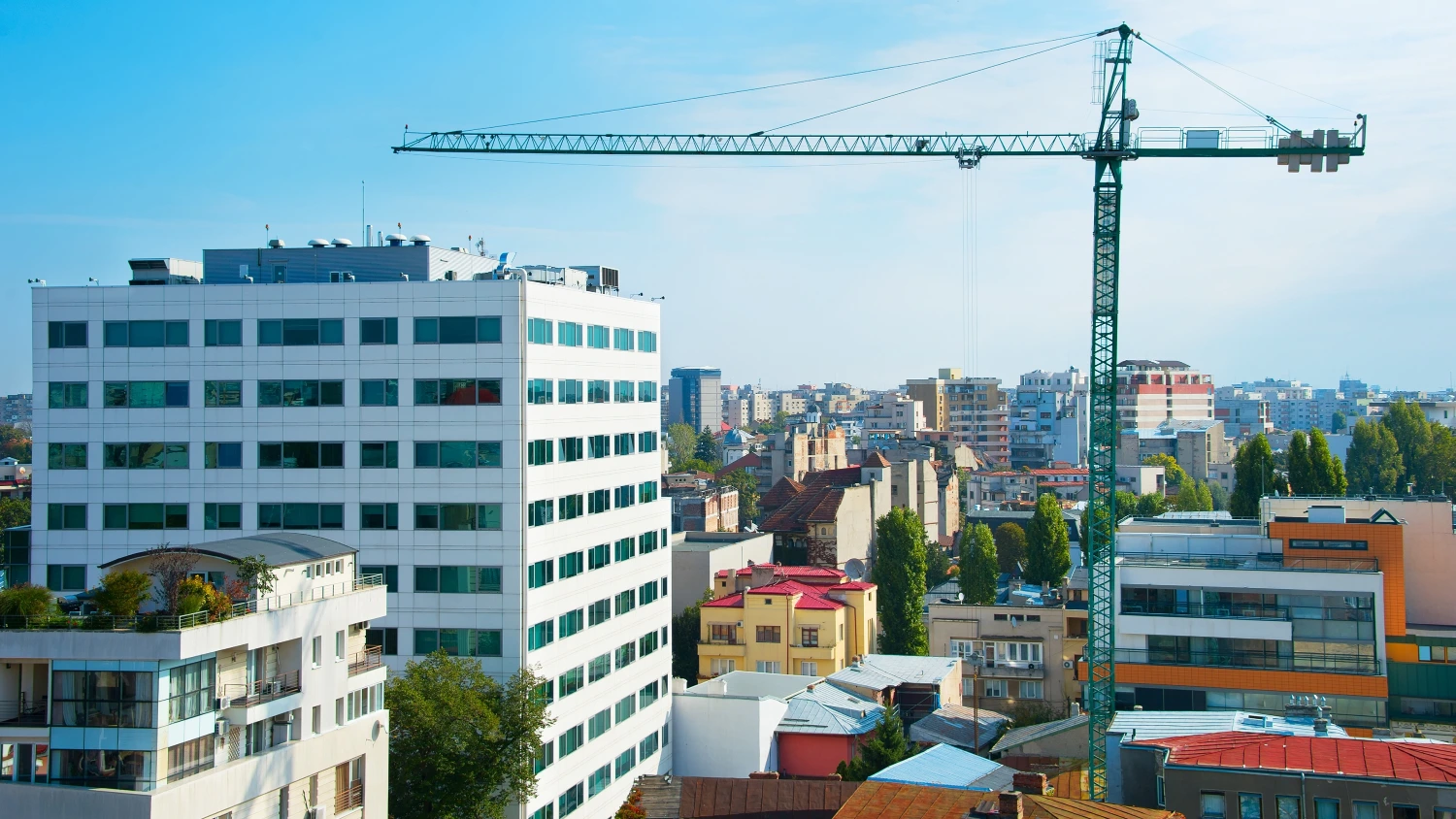
Romanian construction activity increased by over 6% in the first two months of 2026, following a record 2025, and remained the country's only major economic sector showing growth in April, according to Colliers analysis based on Eurostat data.

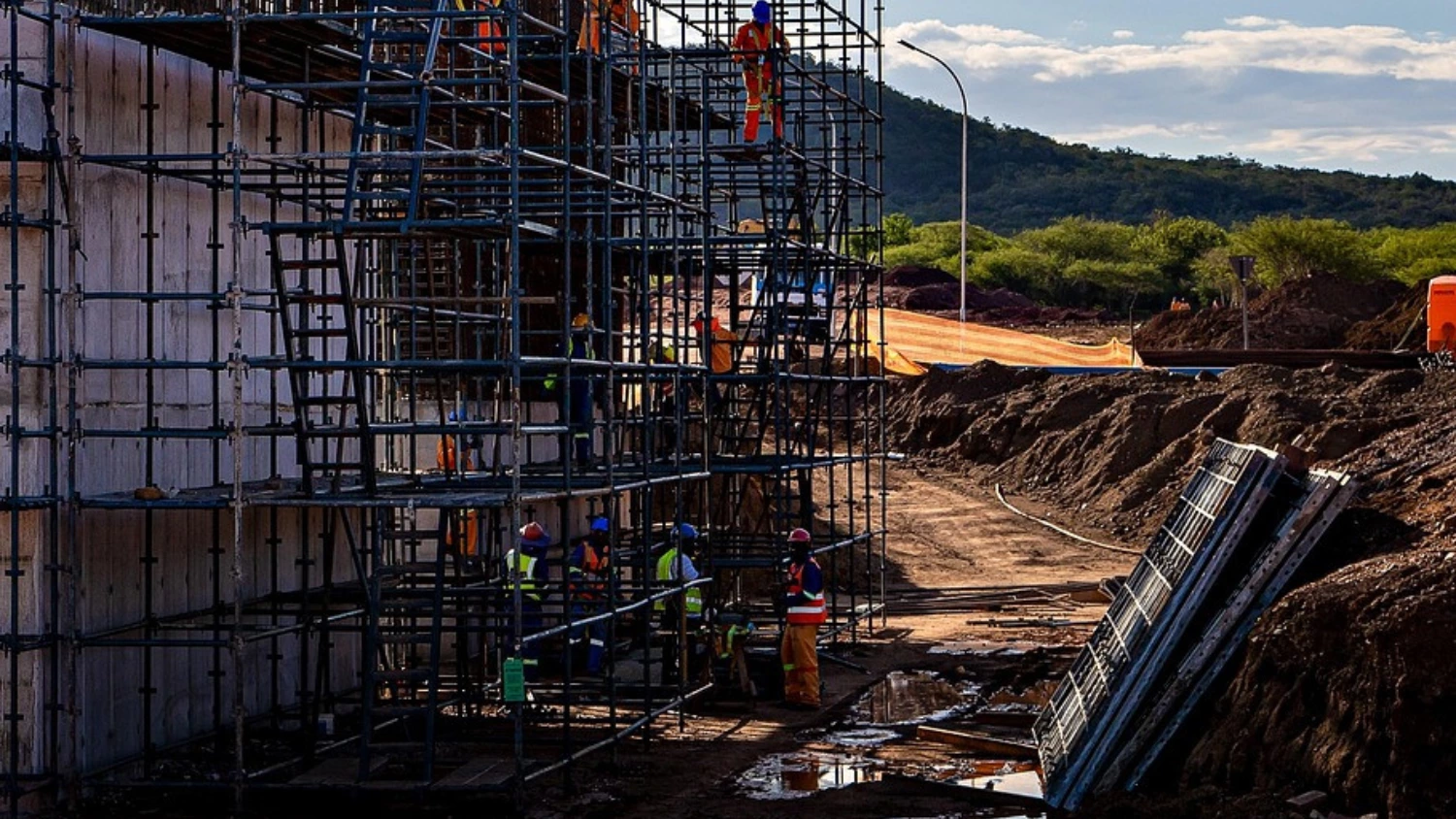
Nearly 1,000 kilometres of motorway are currently under construction nationwide, amid public infrastructure investment. However, market prospects are becoming uncertain due to domestic political tensions and possible delays in securing European funding.

"The slowdown in the local economy has had a limited impact on the construction sector, where developers operate on long-term cycles and are already looking at what the market will look like in two to three years' time. At the same time, the market is being supported by public investment, which accounts for more than half of all construction activity and is progressing at a pace, both in road infrastructure and in projects such as railways, hospitals and stadiums," explains Alexandru Atanasiu, Partner and Head of Construction Services.

At the end of April, almost all economic confidence indicators monitored by the European Commission were in negative territory, with the most pessimistic outlook coming from the consumer and retail sectors. Services and industry were also slightly below the historical average of the confidence index, while construction remained the only sector still in positive territory, although at a lower level than the peaks recorded during 2023-2024.

The private sector remains cautious when launching new projects, amid high financing costs and economic uncertainty, further increasing the sector's dependence on public investment.

"Against the backdrop of domestic uncertainty and growing concerns regarding the absorption of European funds, the construction sector is at a critical juncture. On the one hand, authorities are promising a record year for public investment, estimated to exceed 8% of GDP in 2026, but there is also a risk that these expectations may prove overly optimistic. In an already strained market, with employment levels close to historic highs, any sudden slowdown in publicly funded works could generate effects across the entire sector," adds Alexandru Atanasiu.

The accelerated pace of public projects is putting pressure on labour availability and on the logistical capacity of construction companies, in a market that is already operating close to its operational limits. Colliers consultants warn that the market is facing mounting external pressures, as the prices of several construction materials have returned to an upward trend, with some approaching historic highs.

The construction sector's contribution to GDP exceeded 8% - the highest share in the European Union - while loans granted to construction companies exceeded RON 54 billion (€10.3 billion) at the end of March, up 16% year-on-year and almost double the level recorded in 2019.

RECOMMENDED
Colliers reports 12% construction growth in Romania
Real estate

Colliers reports 12% construction growth in Romania

Romania's construction market grew by approximately 12% in the first five months of 2026 compared with the same period last year, according to a Colliers report on the real estate market in the first half of 2026. The residential segment recorded the strongest growth at approximately 16%, followed by infrastructure projects, including roads, railways and hospitals, which rose by around 14% and account for more than half of total sector activity. The non-residential segment grew more slowly, at approximately 6%, as financing remains expensive and private investors are more cautious. The report notes that these figures measure the actual volume of construction works rather than the financial value of investments.

Concelex eyes 70% revenue growth in 2026
Real estate

Concelex eyes 70% revenue growth in 2026

Romanian construction company Concelex recorded revenues of RON 1.48 billion (€296 million) in 2025, representing a 17 per cent increase compared to the previous year.

Romanias economy grows 0.7% in 2025
Economy

Romania's economy grows 0.7% in 2025

Romania's economy grew 0.7% in real terms in 2025 compared to 2024, though GDP fell 1.9% in Q4 compared to the previous quarter, according to provisional data published by the National Institute of Statistics (INS).

Romanias construction volume close to new record in 2025
Real estate

Romania's construction volume close to new record in 2025

Romania's construction market reached near-record levels in 2025, with work volumes growing almost 8% in the first eleven months compared to the previous year, according to Colliers' annual report. The sector now represents 9% of GDP, the highest share in the European Union and well above the 5% EU average.

RECOMMENDED FROM THE HOME PAGE
Bucharest yields remain well above Western European levels
Real estate

Bucharest yields remain well above Western European levels

Bucharest is consolidating its position within the Central and Eastern European (CEE) real estate market, combining rental growth across major asset classes with investment yields that remain well above Western European levels, according to the DNA of Real Estate Europe Q2 2026 report published by Cushman & Wakefield. Across Europe in Q2 2026, prime office rents rose 4.5% year-on-year, retail rents increased 3.0%, and logistics rents grew 2.4%, while investors remained selective as yield movements pointed to a more balanced market following the repricing cycle of recent years.

Energy

Electrica secures grid permits for 700 MWh of storage

Energy company Electrica informs investors and the capital market that it has obtained the technical grid connection permits (ATR) for 17 new battery energy storage projects (BESS), with a total capacity of approximately 700 MWh.

Energy

Romanian grid operator to support peak power consumption during heatwave

Romania's national electricity transmission network operator, Transelectrica, has halted scheduled maintenance shutdowns to ensure the grid operates at maximum capacity during an ongoing extreme heatwave. The preventive measures aim to mitigate operational risks associated with severe weather conditions.