Lukoil signs divestment deal with Carlyle Group

Business Forum
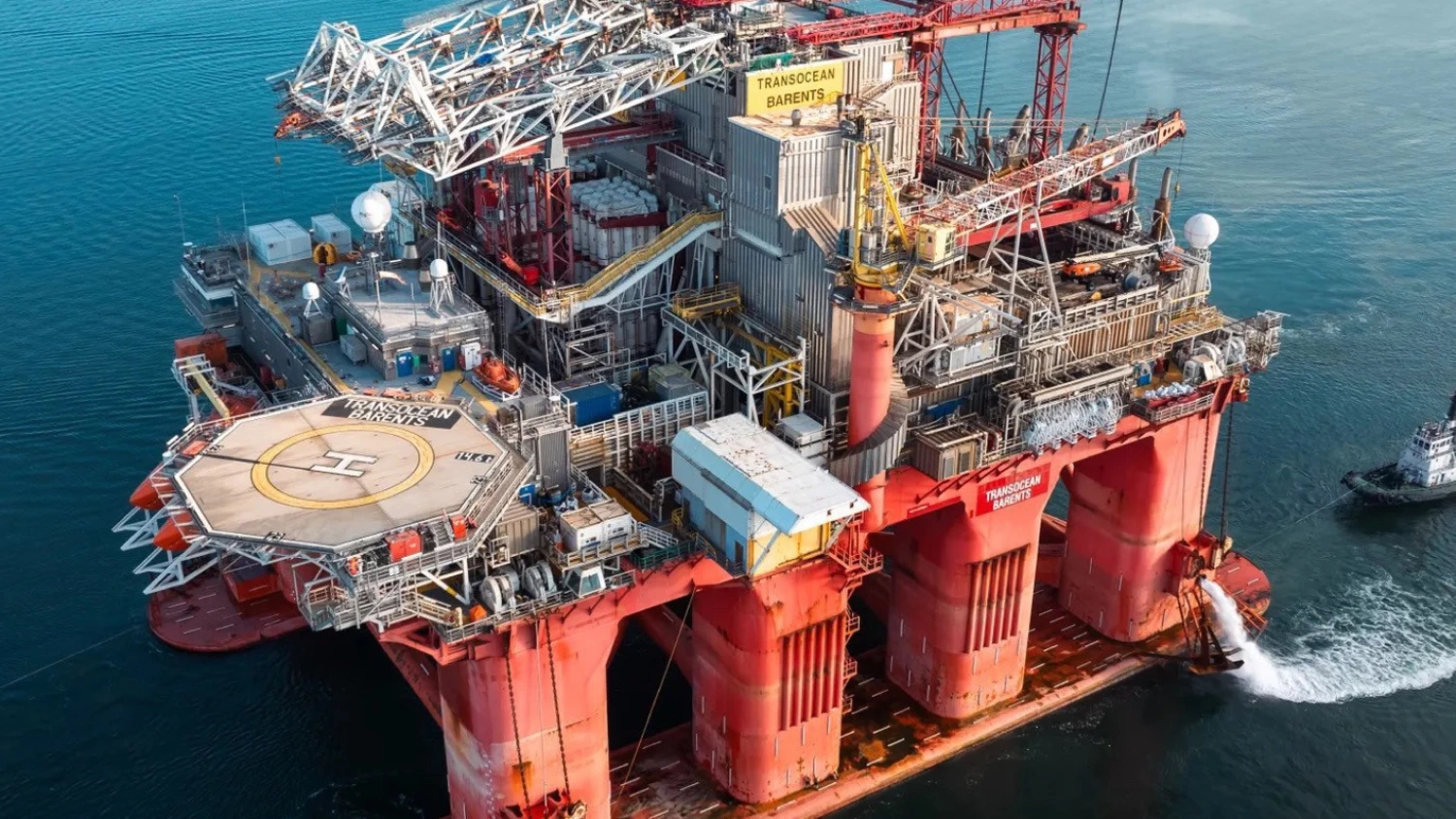
Russian oil major Lukoil has signed an agreement with US investment firm Carlyle for the sale of Lukoil International.

The subsidiary holds the majority of the Group's international assets, though the transaction excludes holdings in Kazakhstan, which will remain under Lukoil Group ownership.

The divestment is a strategic response to restrictive measures imposed on the company and its subsidiaries by various international jurisdictions.

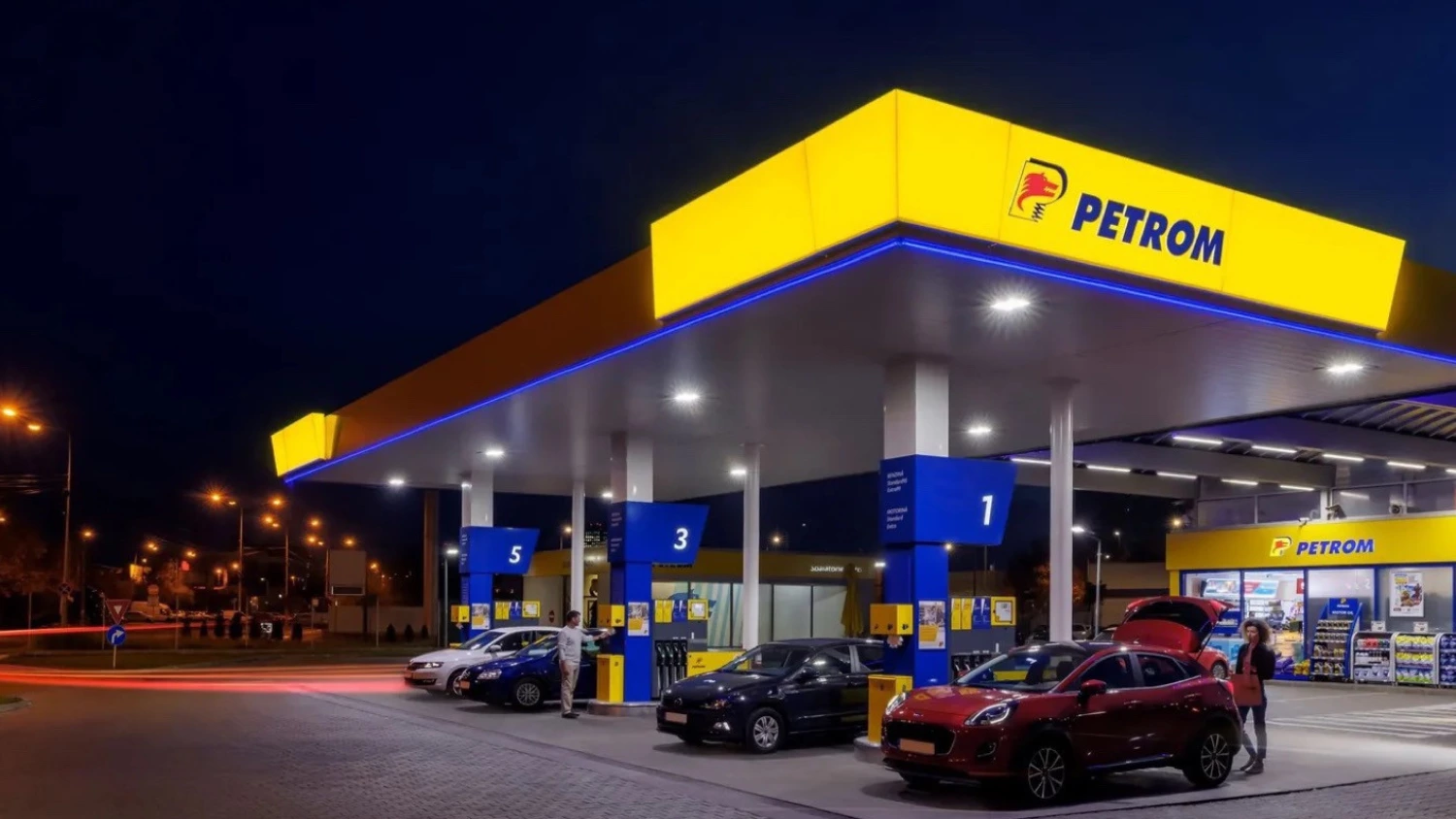
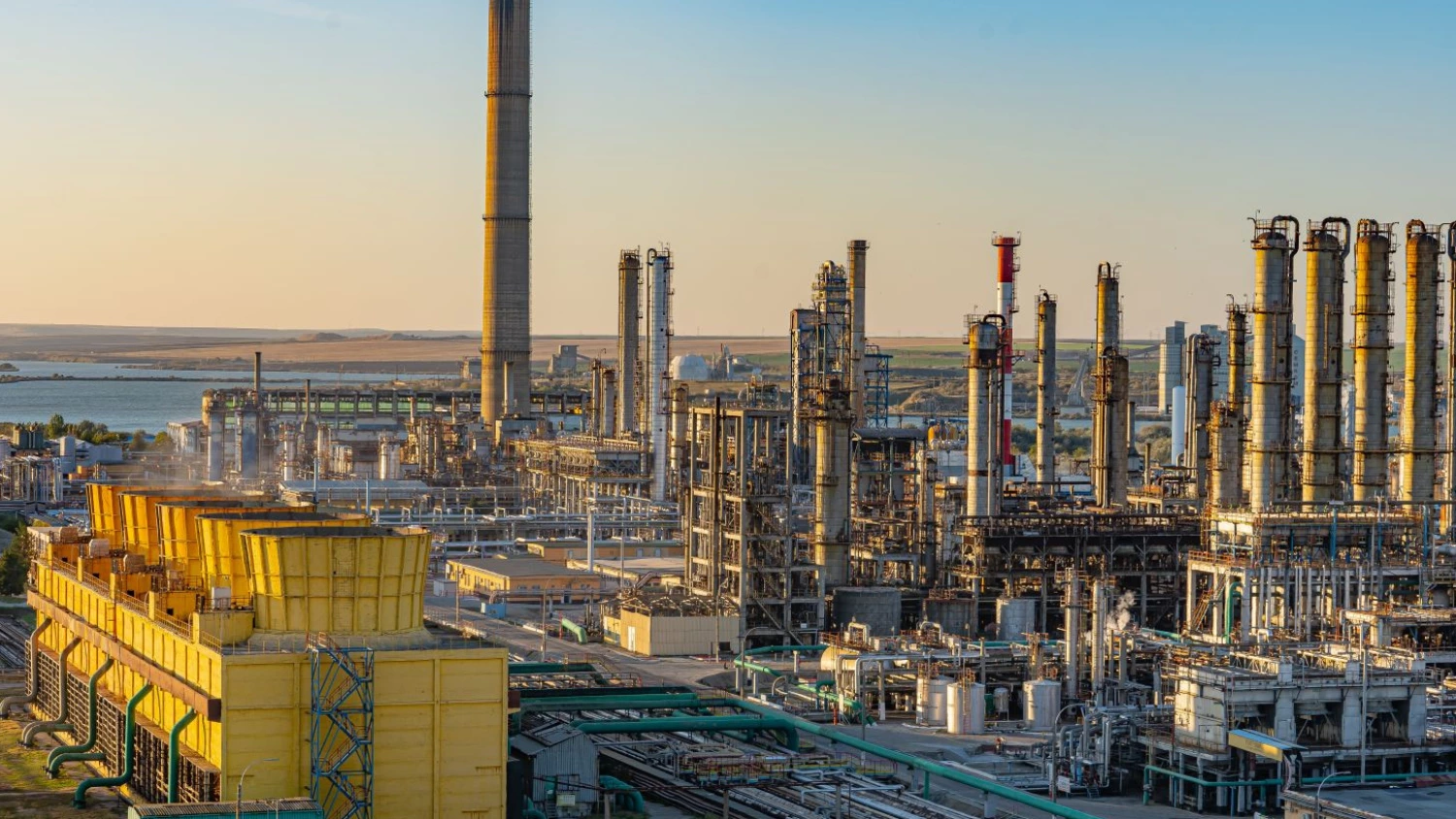
In Romania, Lukoil maintains a significant presence, owning the Petrotel refinery in Ploiești and an extensive network of fuel stations across the country.

The agreement with Carlyle is non-exclusive, and the company confirmed it is continuing negotiations with other potential purchasers.

Completion of the deal is subject to several conditions, most notably the procurement of regulatory approvals from the U.S. Department of the Treasury's Office of Foreign Assets Control (OFAC).

 

RECOMMENDED
MOL Group reports 11% drop in pre-tax profit during 2025
Energy

MOL Group reports 11% drop in pre-tax profit during 2025

MOL Group disclosed its financial results for 2025, showing profit before tax of $1.3 billion, representing an 11% decrease compared to 2024. The Hungarian energy company faced a challenging macroeconomic environment, but strong downstream and consumer services results supported overall profitability.

RECOMMENDED FROM THE HOME PAGE
Electrica secures grid permits for 700 MWh of storage
Energy

Electrica secures grid permits for 700 MWh of storage

Energy company Electrica informs investors and the capital market that it has obtained the technical grid connection permits (ATR) for 17 new battery energy storage projects (BESS), with a total capacity of approximately 700 MWh.

Energy

Romanian grid operator to support peak power consumption during heatwave

Romania's national electricity transmission network operator, Transelectrica, has halted scheduled maintenance shutdowns to ensure the grid operates at maximum capacity during an ongoing extreme heatwave. The preventive measures aim to mitigate operational risks associated with severe weather conditions.