Infrastructure investments drive Romania's construction market

Business Forum
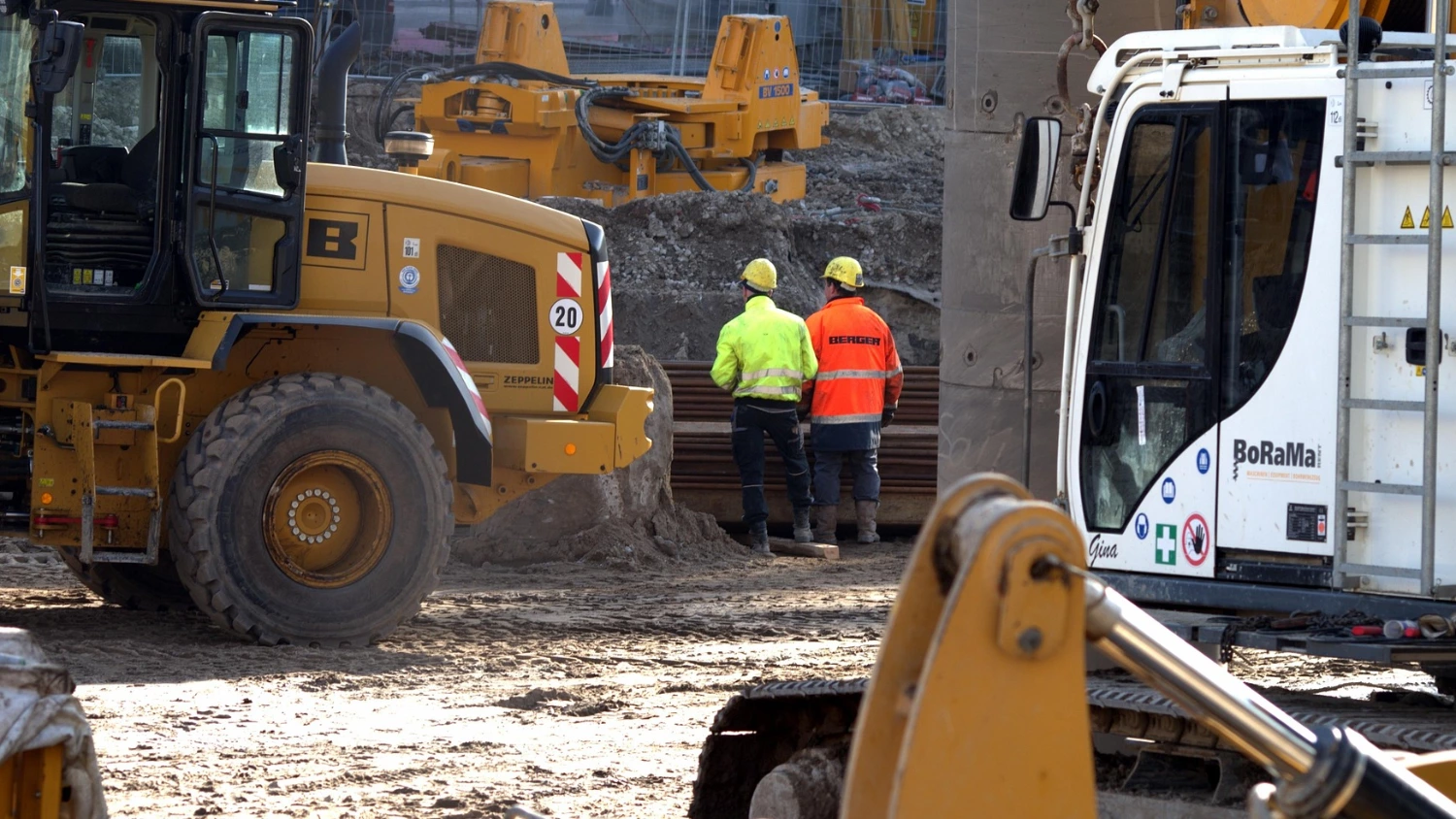
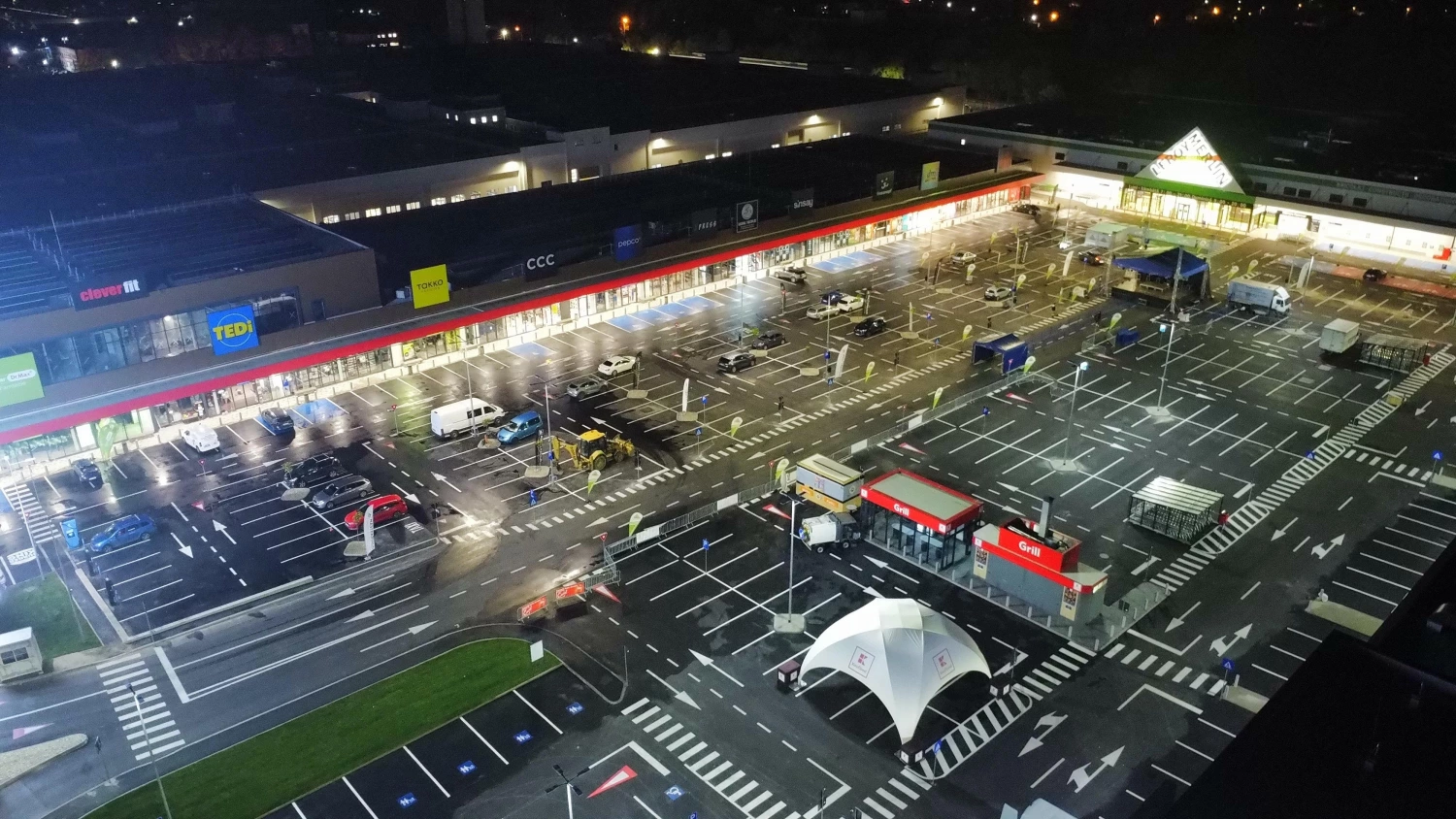
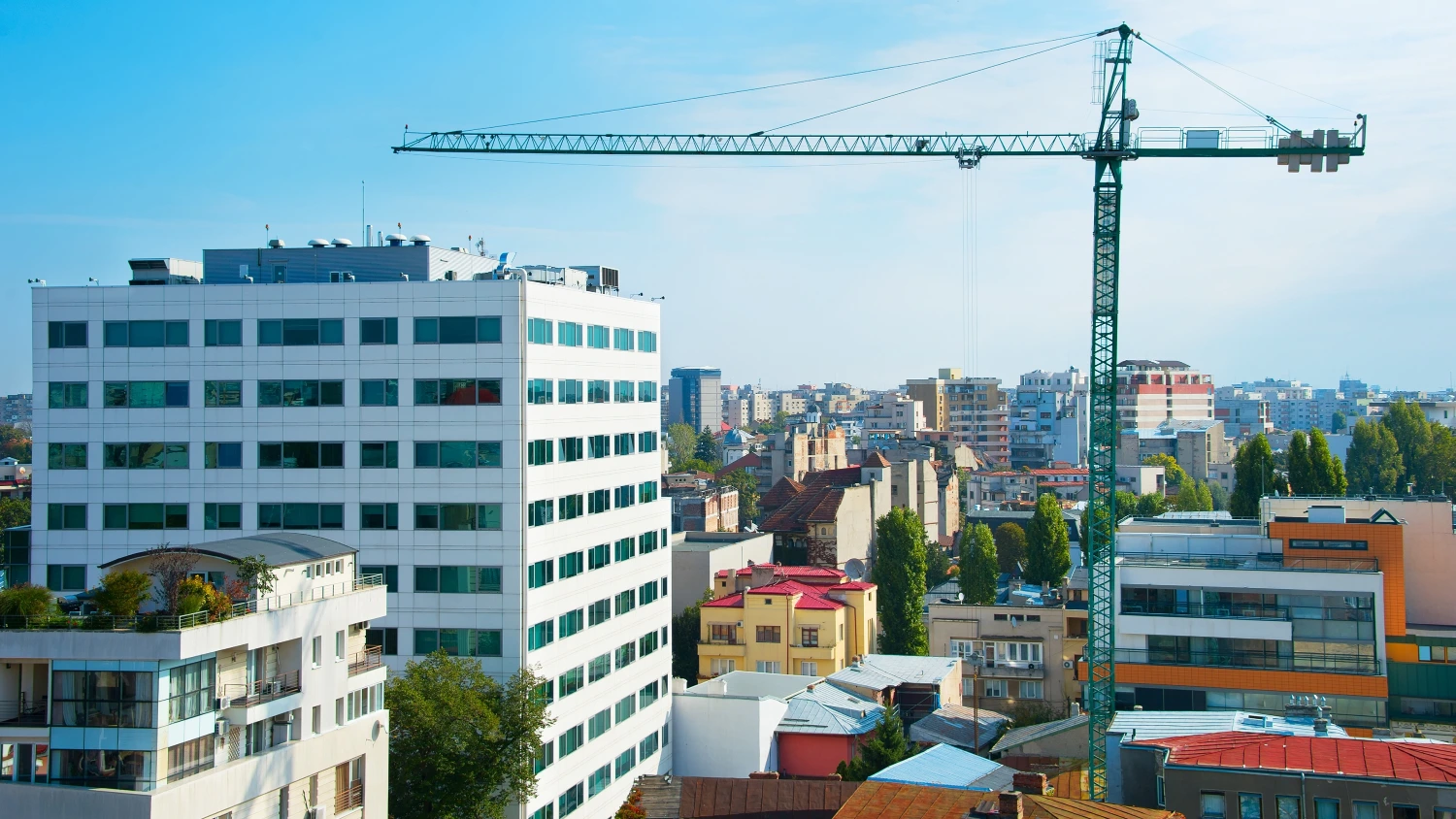
Romania's construction market has reached historic highs over the past two years over increased public investment, financed by both national and European funds. At the same time, demand from the residential market has remained limited due to the slow permitting process for new developments in Bucharest. 

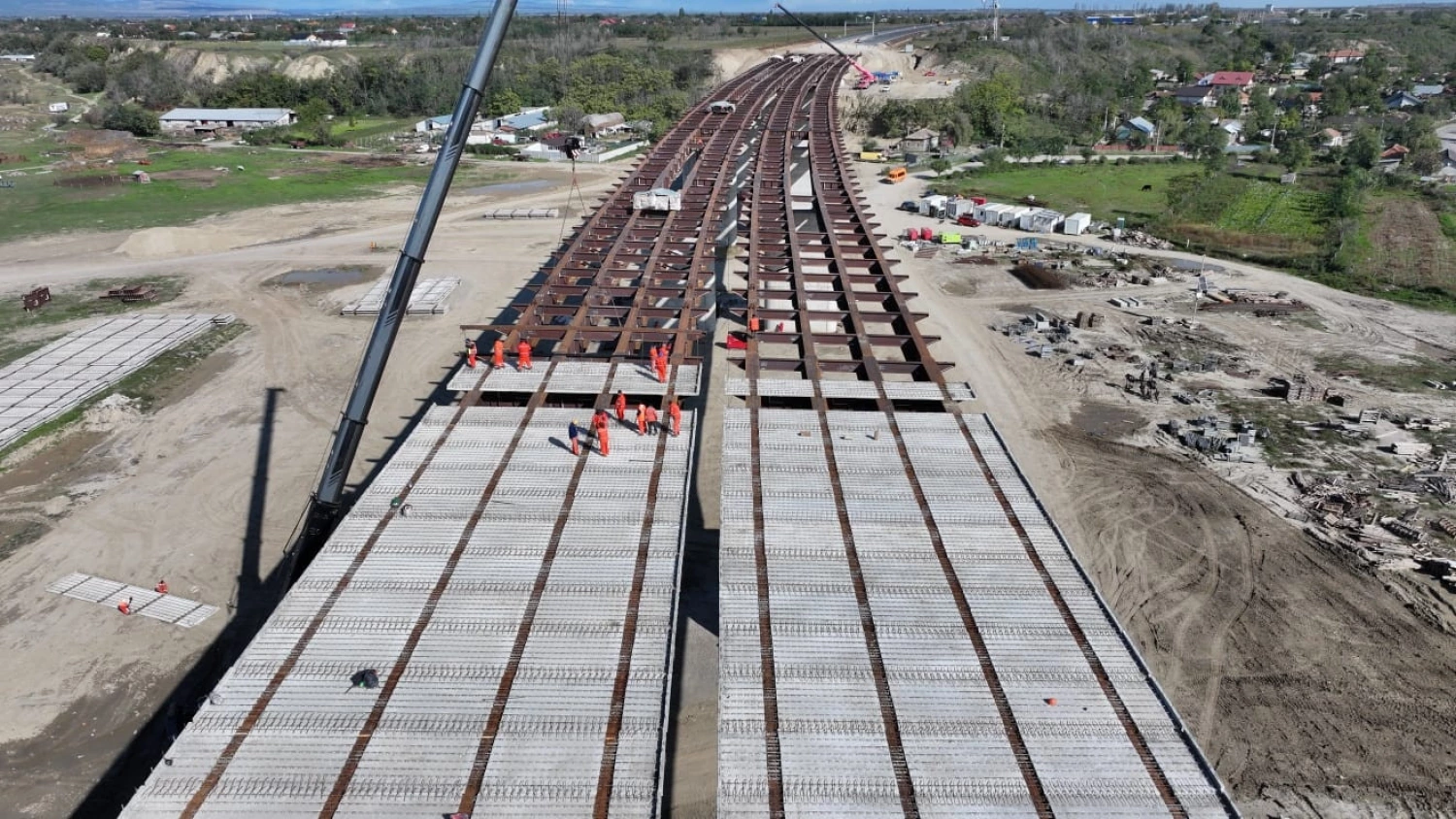
In the highway sector, Romania currently has around 800 km of high-speed roads under construction, compared to an existing network of 1,100 km. Hundreds of additional highway sections are also in various stages of development, with some already out for tender, according to a Colliers' report. 

Major investments are not limited to road infrastructure; railway modernization is also underway, and in the first half of this year, construction began on several major regional hospitals. 

The government spent over €11 billion on EU-supported capital projects in the first half of 2024, representing about 3.3% of GDP. In comparison, during the same period in 2019, government investment spending amounted to €3.5 billion, or about 1.6% of GDP. 

“Beyond unpredictable external factors, particularly concerns about the global economy, upcoming changes in the tax regime for construction workers and broader tax reforms in Romania could pose challenges. Additionally, Romania's delay in implementing the necessary reforms to maintain access to EU funds may introduce further difficulties. Therefore, while we anticipate positive results compared to recent years, achieving new highs seems unlikely. In this context, we expect pressures on the construction market to ease over the next year and a half," says Alexandru Atanasiu, Board Member & Head of Construction Services at Colliers. 

The agency's experts conclude that in the medium term, the construction market remains strong, with robust demand from beneficiaries and a steady flow of projects for construction companies. 

 

RECOMMENDED
CEE property markets set for growth in 2026 amid supply gaps and modernization
Real estate

CEE property markets set for growth in 2026 amid supply gaps and modernization

Colliers has published a new report focusing on CEE, examining economic and real estate trends across Bulgaria, Czech Republic, Hungary, Poland, Romania and Slovakia. The study shows that 2025 brought moderate economic recovery, easing inflation and rising focus on sustainability, while real estate markets were shaped by modernization, limited new office supply, strong logistics demand and retail park expansion.

Romania leads Europe in construction with 8% GDP share
Real estate

Romania leads Europe in construction with 8% GDP share

Romania's construction sector represents nearly 8% of GDP in the past four quarters, the highest share in the European Union, according to Eurostat data analysed by Colliers. This level significantly exceeds the EU-27 average of 5% and confirms construction's growing importance in the local economy. Romania also recorded the second-fastest post-pandemic growth in construction activity within the EU.

Romanian construction sector hits new headcount record
Real estate

Romanian construction sector hits new headcount record

The Romanian construction market has reached a new historic milestone with 460,000 employees as of the end of May 2025, also marking a 7% increase in the volume of works during the first five months of the year compared to the same period in 2024. 

Bulgaria to drive growth in EE construction sector in 2025
Real estate

Bulgaria to drive growth in EE construction sector in 2025

The biggest growth in Eastern Europe is foreseen in Bulgaria going into 2025, while the rest of the countries are projected to make side moves in the coming years, according to a report by the Eastern European Construction Forecasting Association (EECFA).

RECOMMENDED FROM THE HOME PAGE
READ MORE
Business Forum  |  16 December, 2025 at 3:39 PM
Business Forum  |  16 December, 2025 at 2:05 PM