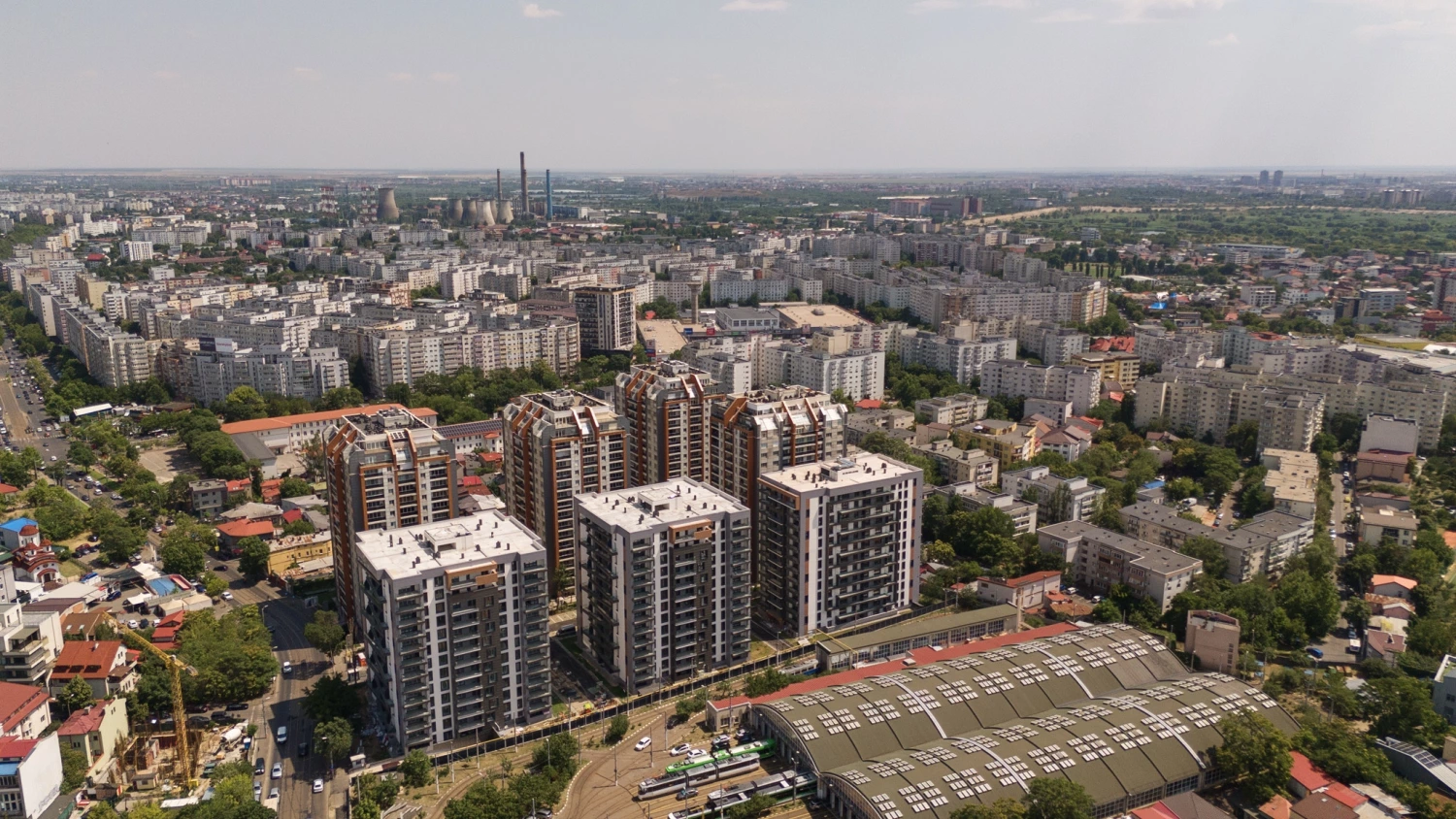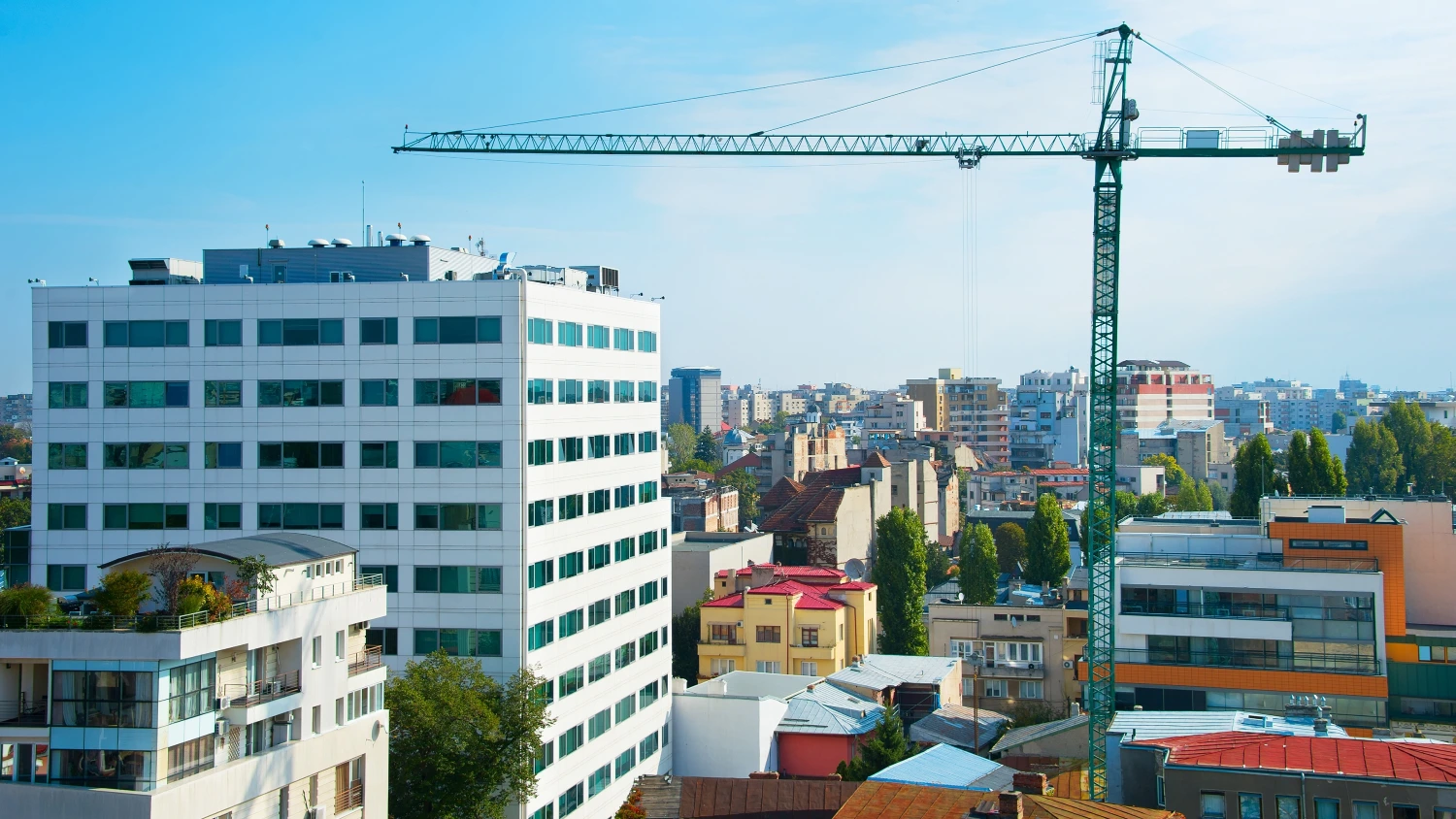



Data indicates that the trend for residential permits in Romania has been declining since 2021. However, Bucharest has been disproportionately affected, with the useful area in residential permits nearly halving in 2024 compared to its 2022 peak. This decline is particularly striking considering Bucharest's prominent position in the market.
Several factors contribute to this downturn. A major issue is the gridlock in Bucharest's urban planning, stemming from the cancellation of existing zoning plans in 2022, which have yet to be replaced. This has created obstacles in obtaining permits for new developments, directly impacting the number of residential permits issued over the past two years.
Completions have also followed a downward trend, with the number of completed homes nationwide in 2024 reaching levels comparable to 2018. Bucharest-Ilfov experienced a substantial drop in completions in 2024, a 33% decrease compared to 2021 figures, while the rest of the country saw a decrease of 12%.
While a decrease in supply could indicate lower demand, transaction numbers paint a different picture. Overall transactions in 2024 saw only a modest decline compared to the 2021 peak, with Bucharest-Ilfov showing minimal change (-0.3%).
However, home prices in Bucharest have grown at a slower rate (+20%) than the national average (+27%), suggesting a narrowing price gap between the capital and the rest of the country.
A critical factor impacting the market is the rising cost of construction. Residential construction costs have increased by 41% since 2021, outpacing the growth in home prices. This is attributed to higher material costs (+32%) and a sharp rise in labor costs (+60%).
The elimination of tax breaks for construction workers and the increase in the minimum wage further contribute to these rising costs, potentially discouraging new investments.
Additionally, changes in developer funding are influencing the market. The traditional reliance on presales with high down payments is waning due to decreased buyer confidence, partly due to a high-profile scandal involving a large developer. A pending bill aiming to limit down payments for unfinished buildings to 10% could further push developers towards bank loans, potentially stabilizing the market but also increasing costs and prices.