


While 2025 ended with hopes for a downward trend, geopolitical instability—specifically the conflict in Iran—has pushed oil prices toward 2022 levels, threatening to trigger a new wave of energy-led inflation.
The previous year was defined by fiscal shifts and market liberalization that significantly altered the economic landscape. In early 2025, the removal of fiscal facilities for construction staff lowered net incomes while simultaneously increasing wage-related expenses for companies.
This was followed by the liberalization of energy markets in July and a VAT hike in August, which pushed the Consumer Price Index (CPI) to 9.88% by September.
These factors have created a snowball effect that has severely reduced the purchasing power of the general population. Real wages in December 2025 fell by 4.5% compared to the same month in 2024, leading to a marked reduction in private consumption.
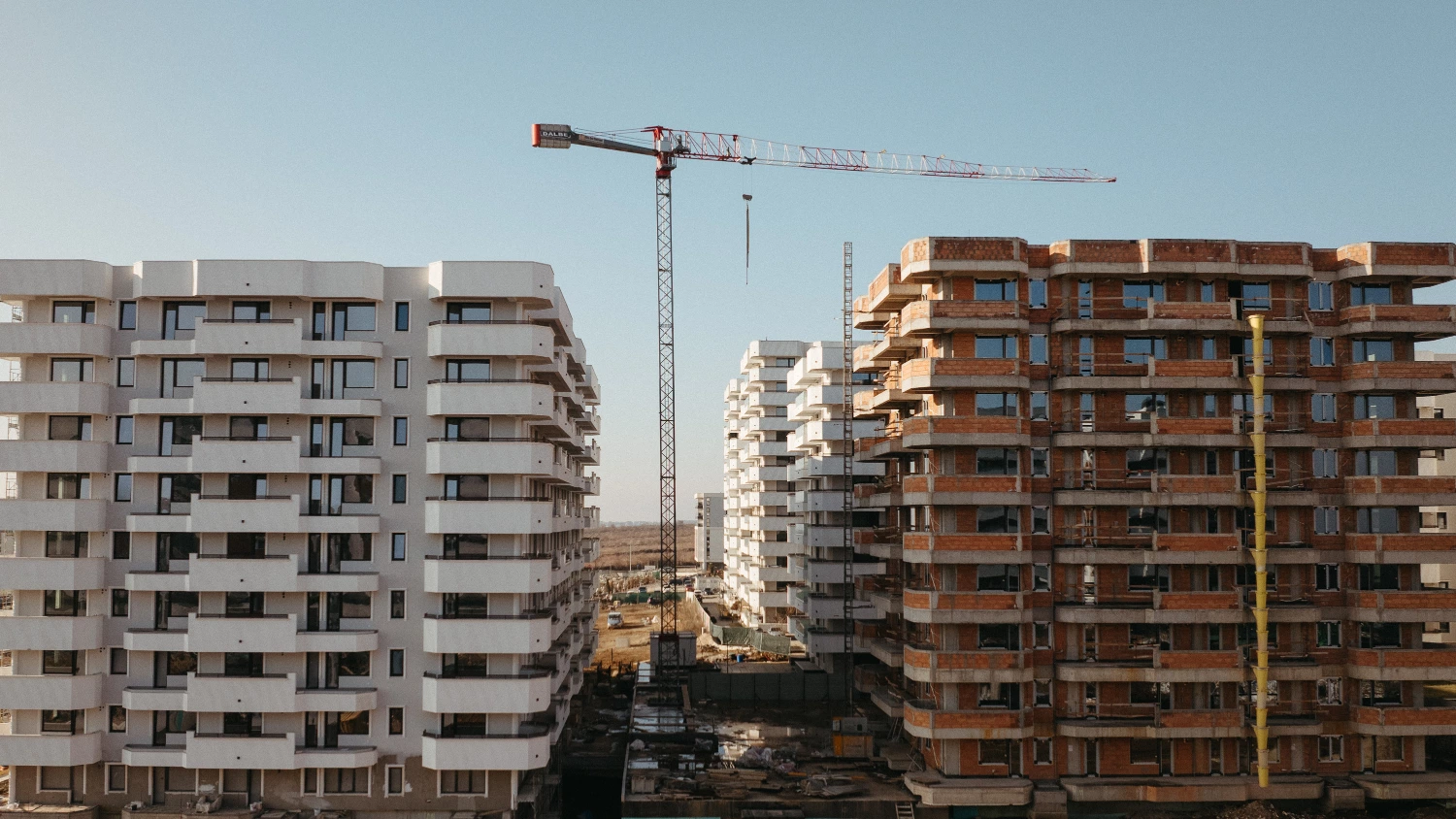
Consequently, this lower disposable income has stifled demand for new residential projects on both the short and medium terms, evidenced by a 21% decline in the value of started construction works in 2025.
Furthermore, because home prices have grown more slowly than construction costs in recent years, the financial return potential and profit margins for developers have been significantly eroded.
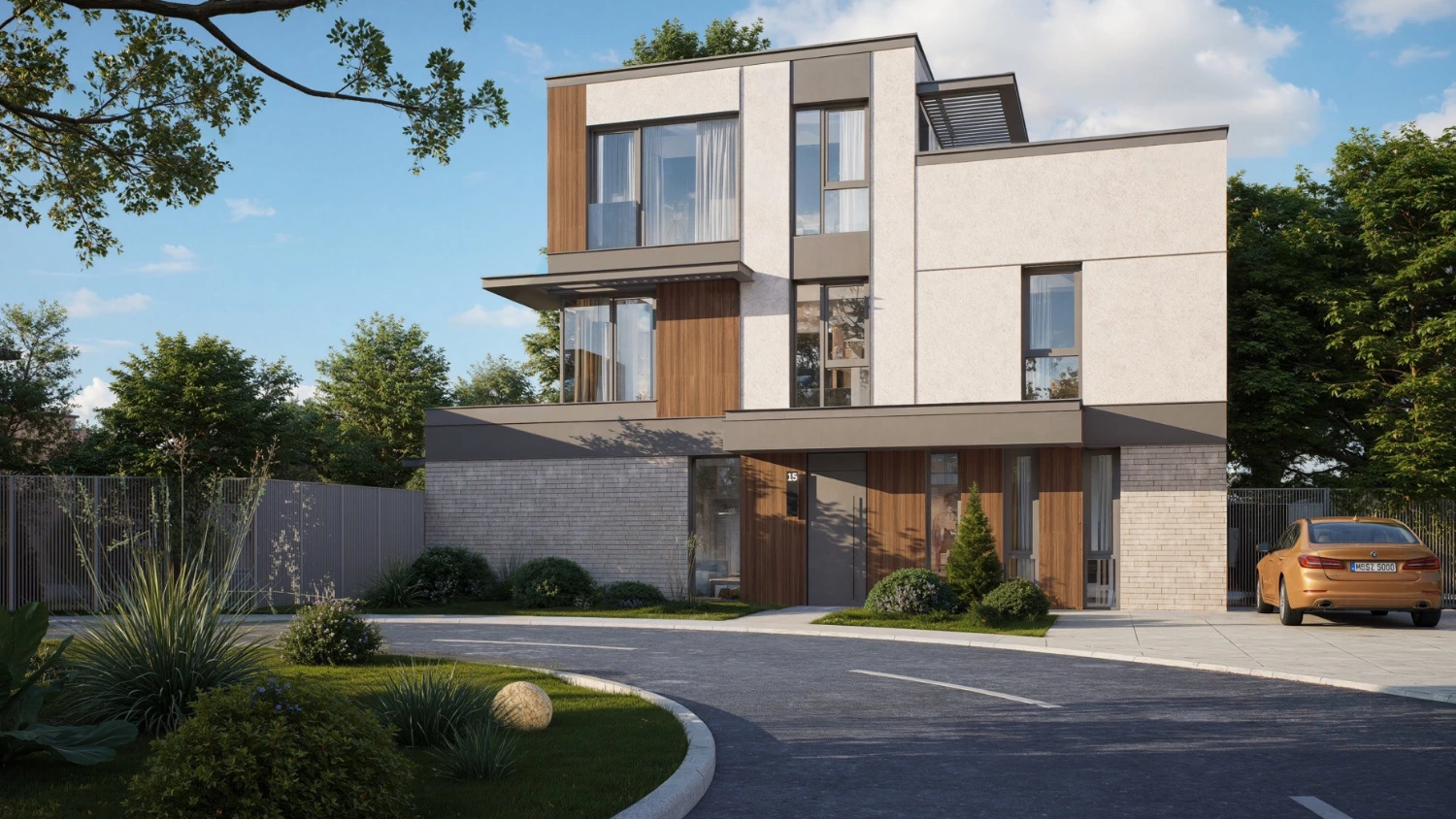
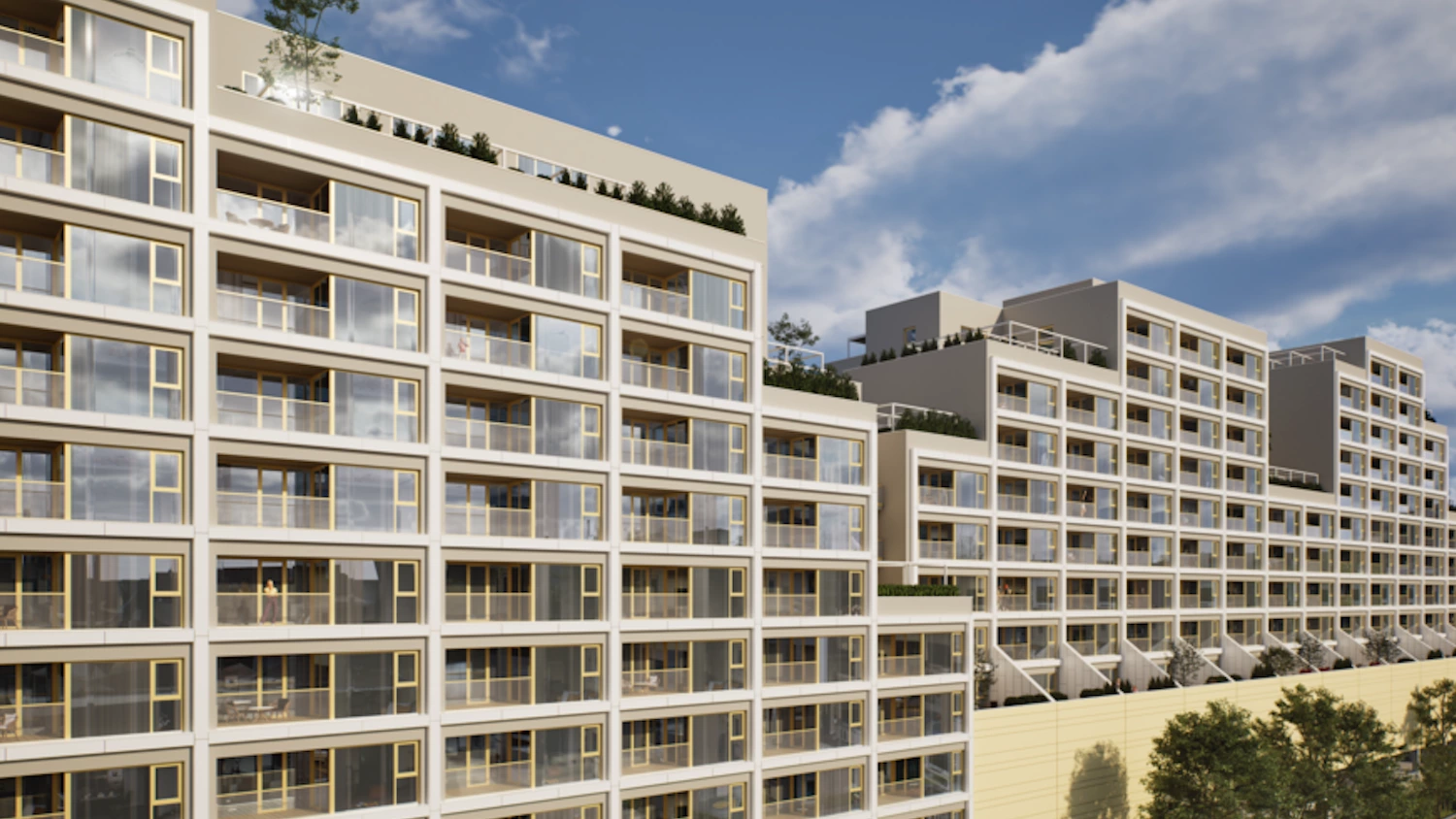
As affordability becomes a primary concern, the market is pivoting toward denser, more accessible housing options. While building permits for single-home buildings have remained relatively stable over the last decade, multi-unit buildings have driven the vast majority of market growth. Internal migration from rural to urban areas continues to bolster the need for these denser developments. Additionally, historical precedents suggest that economic downturns often lead to the construction of smaller homes to maintain market accessibility.
Despite the highest interest rates seen in a decade, the volume of new mortgage loans surged in 2025, reflecting a growing dependence on financing as fewer citizens can afford to purchase homes outright.