Romania's ongoing energy crisis, marked by record-low Danube water levels and declining nuclear output, has prompted sustainability consultancy BuildGreen to argue that decarbonisation should be treated as a cost management and risk reduction tool rather than purely an ESG obligation. According to ANRE data, hydropower and nuclear energy together accounted for nearly half of Romania's electricity generation in March 2026, yet nuclear production fell by 12.3% in the first five months of 2026 compared with the same period in 2025. This pressure arose despite electricity consumption being 3.4% lower than during the corresponding period in 2025.
Sustainability criteria are playing an increasing role when banks finance real estate projects in Romania, while buildings that meet green finance standards can obtain better terms. These are the findings of a study carried out by Colliers on the local market, based on responses from four commercial banks, which together hold more than half of the Romanian banking system's assets, and two multilateral development banks active in the real estate sector. The clearest rule identified for new buildings is the NZEB-10% standard, applied by all institutions analysed. All six require the primary energy demand of a new building to be at least 10% below the national NZEB threshold, and a project that does not meet this standard may still be financed, but the loan will generally not be classified as green finance.
Nicolae Ciobanu, Managing Partner - Head of Advisory at Fortim Trusted Advisors, talked to Property Forum about the resilience of the Romanian real estate market. He highlighted that domestic capital now provides a vital stabilisation anchor, representing over a third of the investment volume while international players add essential liquidity.
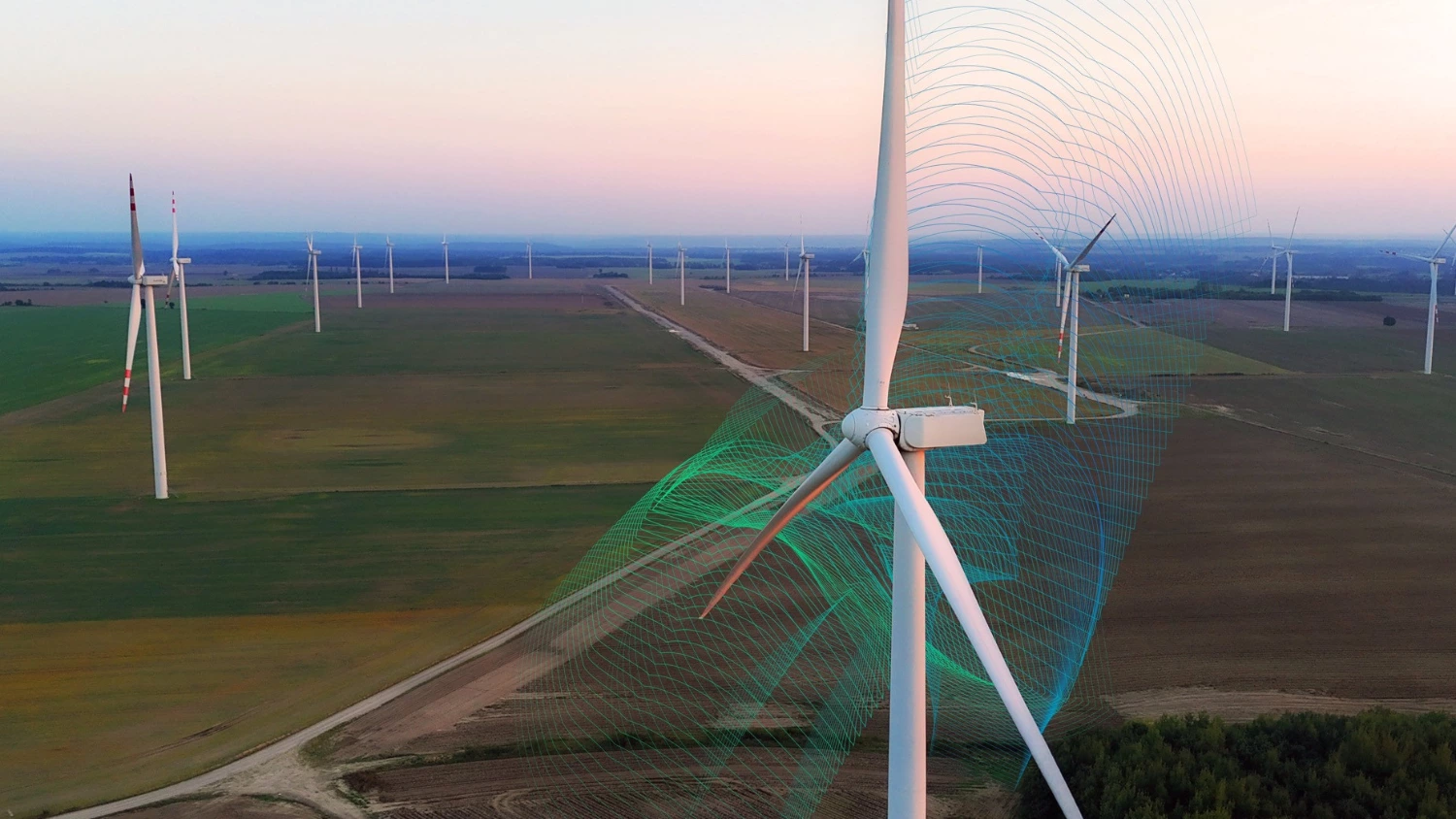
Copenhagen Infrastructure Partners (CIP), through its Growth Markets Fund II (GMF II), announced financial close for the 392 MW Peștera II onshore wind project in Constanța County. The project represents one of the larger investments in new renewable energy infrastructure in Romania and one of the larger project finance transactions in CEE.
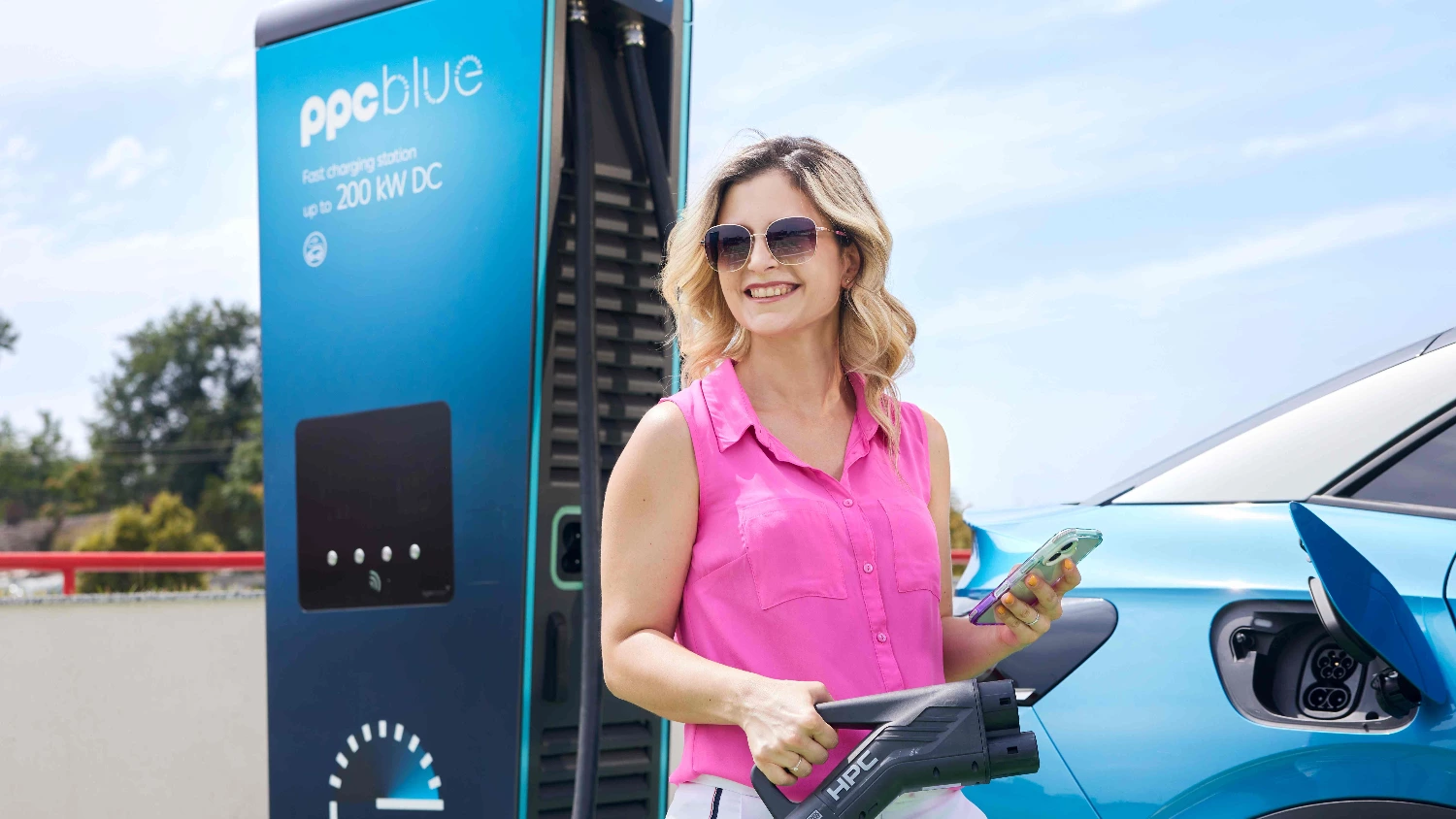
PPC Blue Romania, part of the PPC group in Romania, has signed a partnership with Dedeman, a Romanian-owned DIY retailer, for the installation and operation of electric vehicle charging stations across Dedeman's national store network, both existing and future locations.
Monia Dobrescu, Head of Real Estate & Construction at Mușat & Asociații, talked to Property Forum regarding the legislative shifts defining the 2026 property landscape. She highlighted the impact of Law No. 207/2025 on transaction security, the evolution of ESG-linked project financing, and the legal hurdles facing expansion into Romania's secondary cities.
Enexus has signed an EPC contract to develop a 75 MWp photovoltaic power plant in Alba Iulia with Compeador Construct, a subsidiary of Astor RO Energy, the Romanian investment vehicle of Turkish group Astor Enerji.
Tetra Pak and Mega Image, together with partners Maspex, Tomra and Brai Cata, have expanded Europe's first pilot project for collecting carton packaging for beverages and dairy products by installing 12 additional reverse vending machines (RVMs) in Bucharest and surrounding areas.
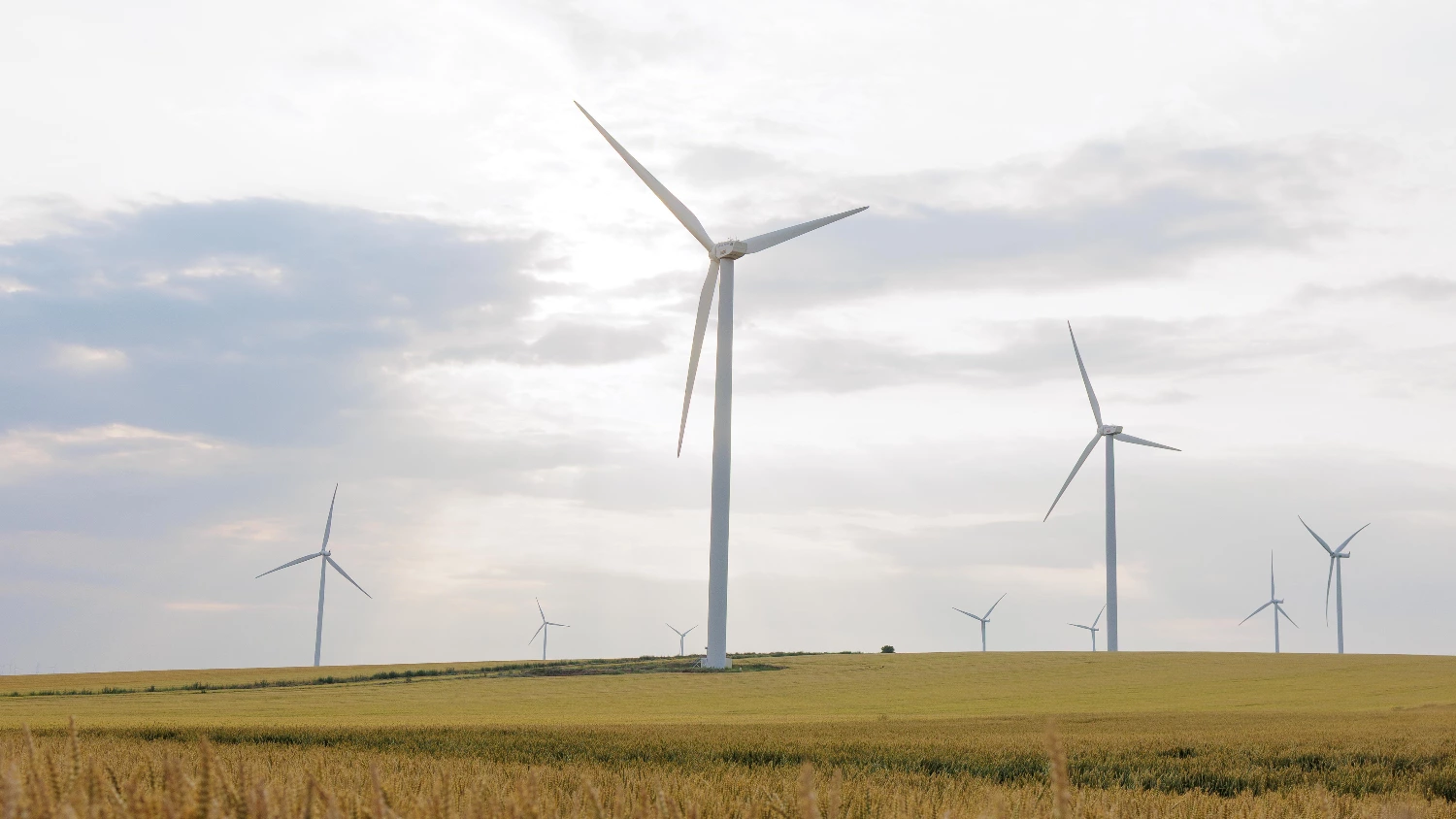
Energy producer OMV Petrom and RNV Infrastructure have announced that three wind projects in Romania, with a total installed capacity of approximately 300 MW, are entering the execution phase following the final investment decision. The projects hold the necessary permits, with production expected to begin in stages from H1 2027.
The average total office fit-out costs in Bucharest increased slightly in 2025 to around €1,000 per sqm, according to data from Cushman & Wakefield Echinox. However, Bucharest remains one of the most affordable markets in CEE, with fit-out costs 18% and 15% lower than in Warsaw and Prague, respectively.
Econergy Renewable Energy has secured approximately €31 million in project financing from Kommunalkredit Austria to develop its 60 MW photovoltaic project in southeastern Romania.
PPC Renewables Romania will build a battery energy storage system (BESS) with a capacity of 60 MW / 120 MWh at the Târgușor wind farm in Constanța County.
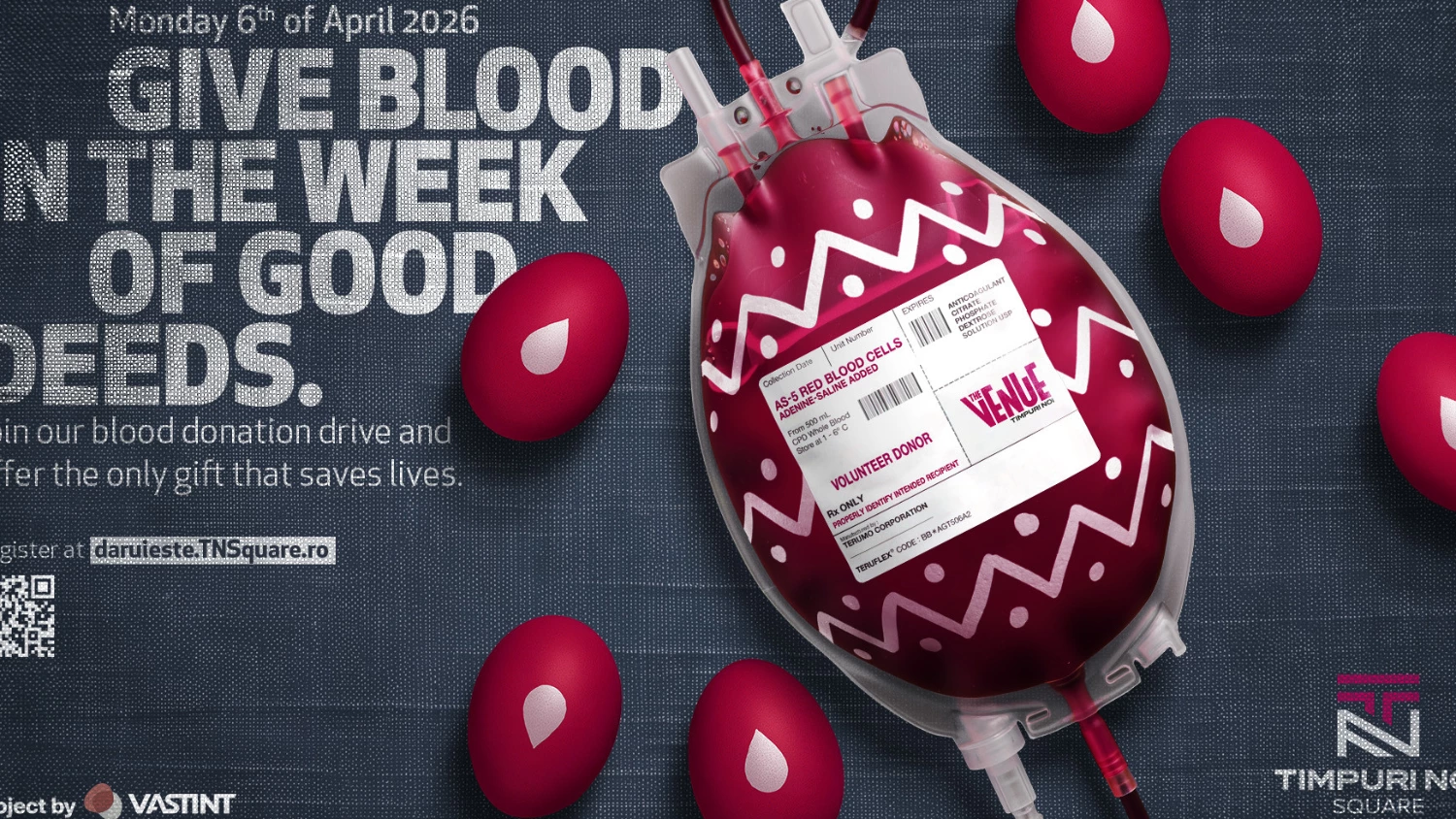
Vastint Romania has partnered with Digi Group for the sixth edition of its blood donation campaign, taking place for the first time at Timpuri Noi Square on 6 April 2026.
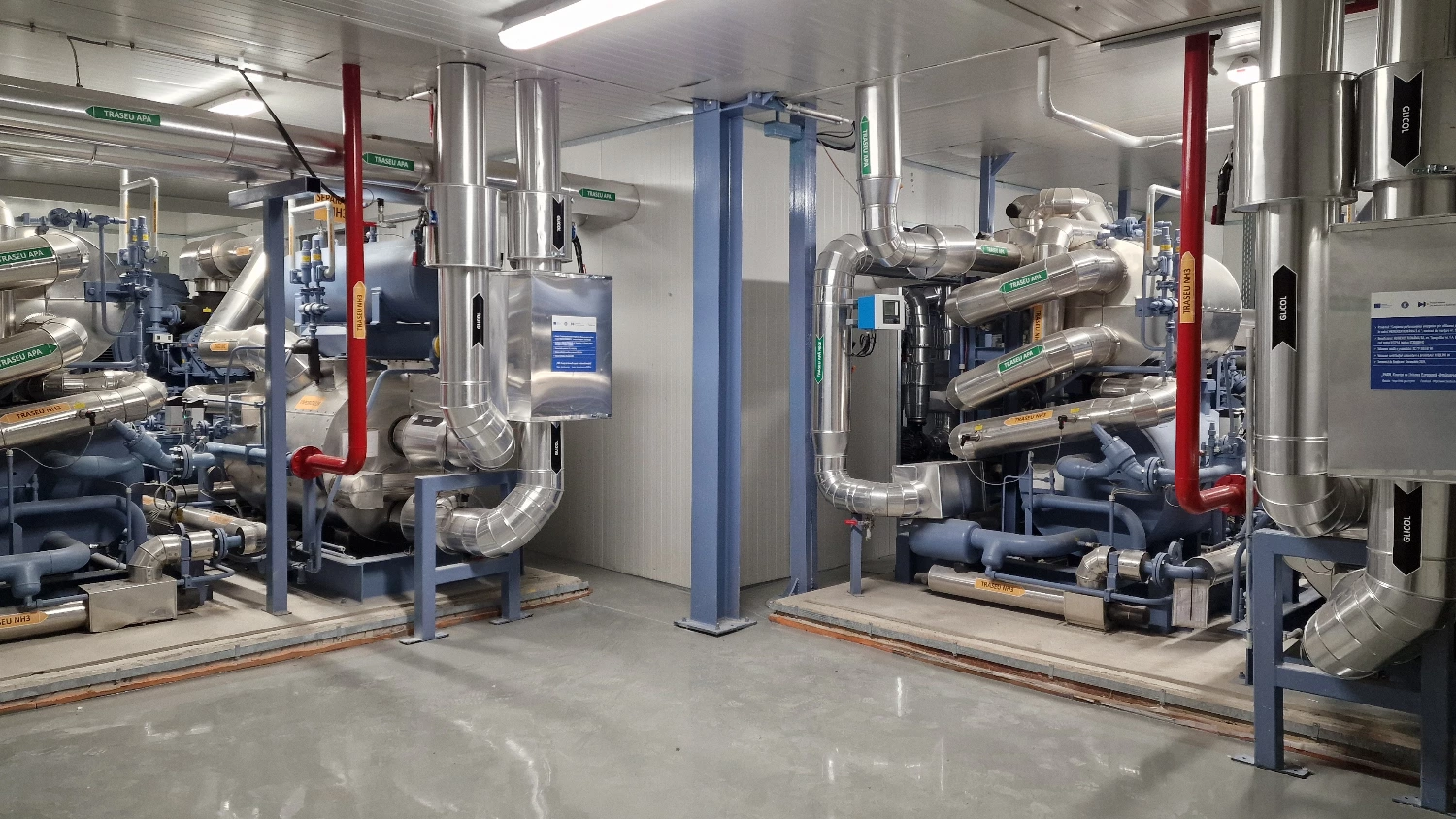
Heineken Romania has completed a major investment in modern technologies at its breweries in Craiova and Ungheni (Mureș County), accelerating the transition towards low-carbon production and optimised energy consumption.
Parapet, an EPC contractor in the renewable energy sector, has appointed Roxana Gureanu as CEO, as the company experiences rapid growth and international expansion.
AJ Brand, the Romanian developer of renewable energy projects, has completed the acquisition of the Gebeleizis 6.4 MW operational solar photovoltaic project from Eximprod.
Bucharest is consolidating its position within the Central and Eastern European (CEE) real estate market, combining rental growth across major asset classes with investment yields that remain well above Western European levels, according to the DNA of Real Estate Europe Q2 2026 report published by Cushman & Wakefield. Across Europe in Q2 2026, prime office rents rose 4.5% year-on-year, retail rents increased 3.0%, and logistics rents grew 2.4%, while investors remained selective as yield movements pointed to a more balanced market following the repricing cycle of recent years.
Energy company Electrica informs investors and the capital market that it has obtained the technical grid connection permits (ATR) for 17 new battery energy storage projects (BESS), with a total capacity of approximately 700 MWh.
The European Retail Banking Radar, Kearney's latest study now in its 18th edition, shows that Europe is entering a period of normalisation following the conditions of 2023–2025. For Romania, the challenge extends beyond the normalisation of interest rates.
Romania's national electricity transmission network operator, Transelectrica, has halted scheduled maintenance shutdowns to ensure the grid operates at maximum capacity during an ongoing extreme heatwave. The preventive measures aim to mitigate operational risks associated with severe weather conditions.
Digi Spain has announced its intention to launch an initial public offering (IPO) on the Spanish stock exchanges, aiming to raise approximately €150 million.