North East Romania has long been recognised as one of the country's manufacturing centres, but reducing the region's investment story to factories and production lines no longer tells the full picture. Over the past decade, a broader economic ecosystem has begun to emerge, one that combines advanced manufacturing with technology, research, healthcare, logistics and a rapidly evolving business services sector. It is this diversification that is increasingly attracting the attention of investors and will be one of the key themes explored at the inaugural edition of EastGate this September.
Romanian authorities are making over €8 billion available this summer in EU funds and state aid for businesses and local public authorities, according to REI analysis, a consultancy group specialising in attracting non-reimbursable financing.
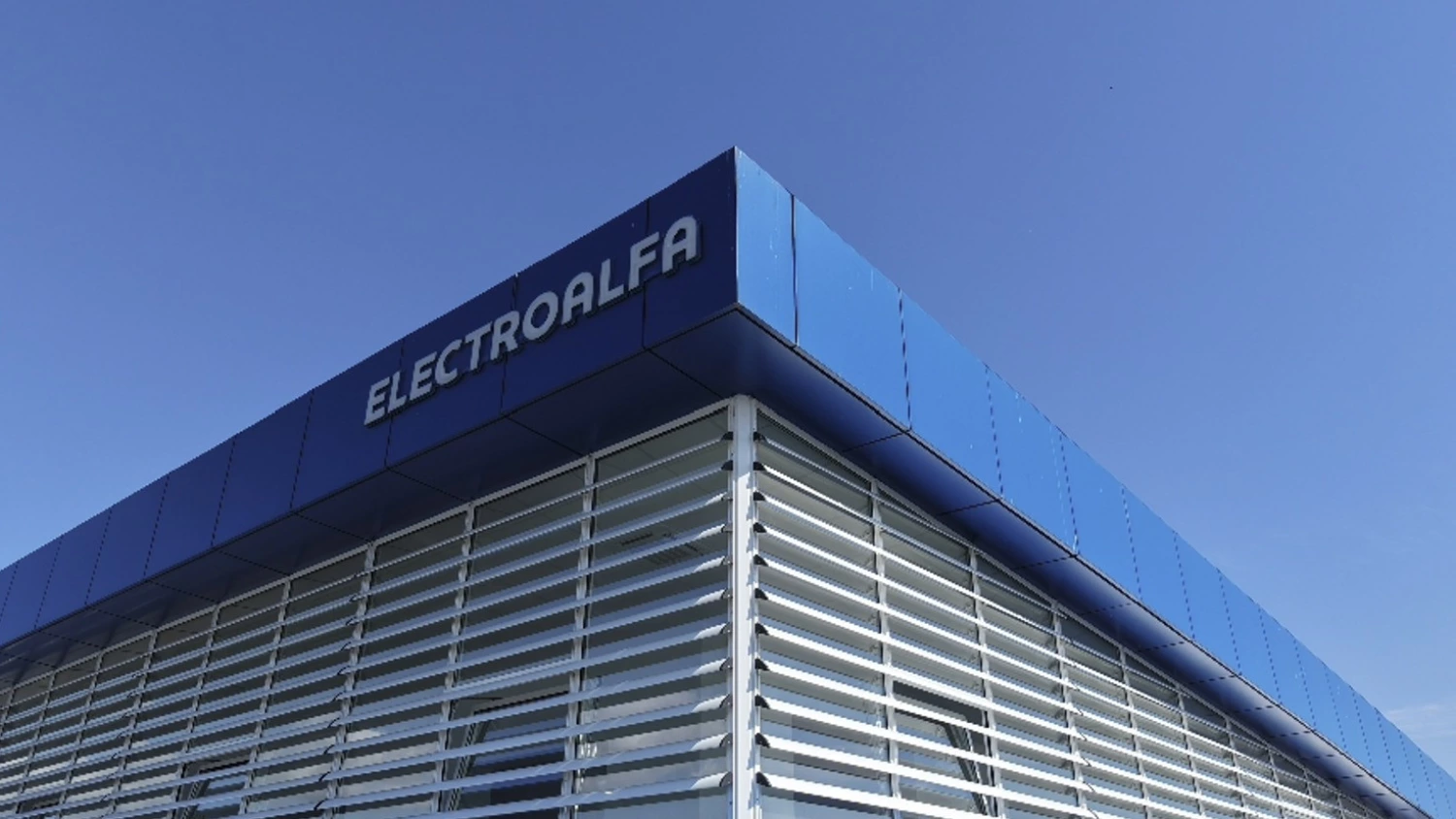
Electro-Alfa International, a Romanian manufacturer of electrical equipment and provider of EPC and IT services, reported revenue growth and profitability for Q1 2026. The company's total revenues reached €25.7 million, up 12.2% compared to Q1 2025. Net profit increased by 2.9% to €6.2 million, supported by a 2% increase in EBITDA, which reached €10.6 million.
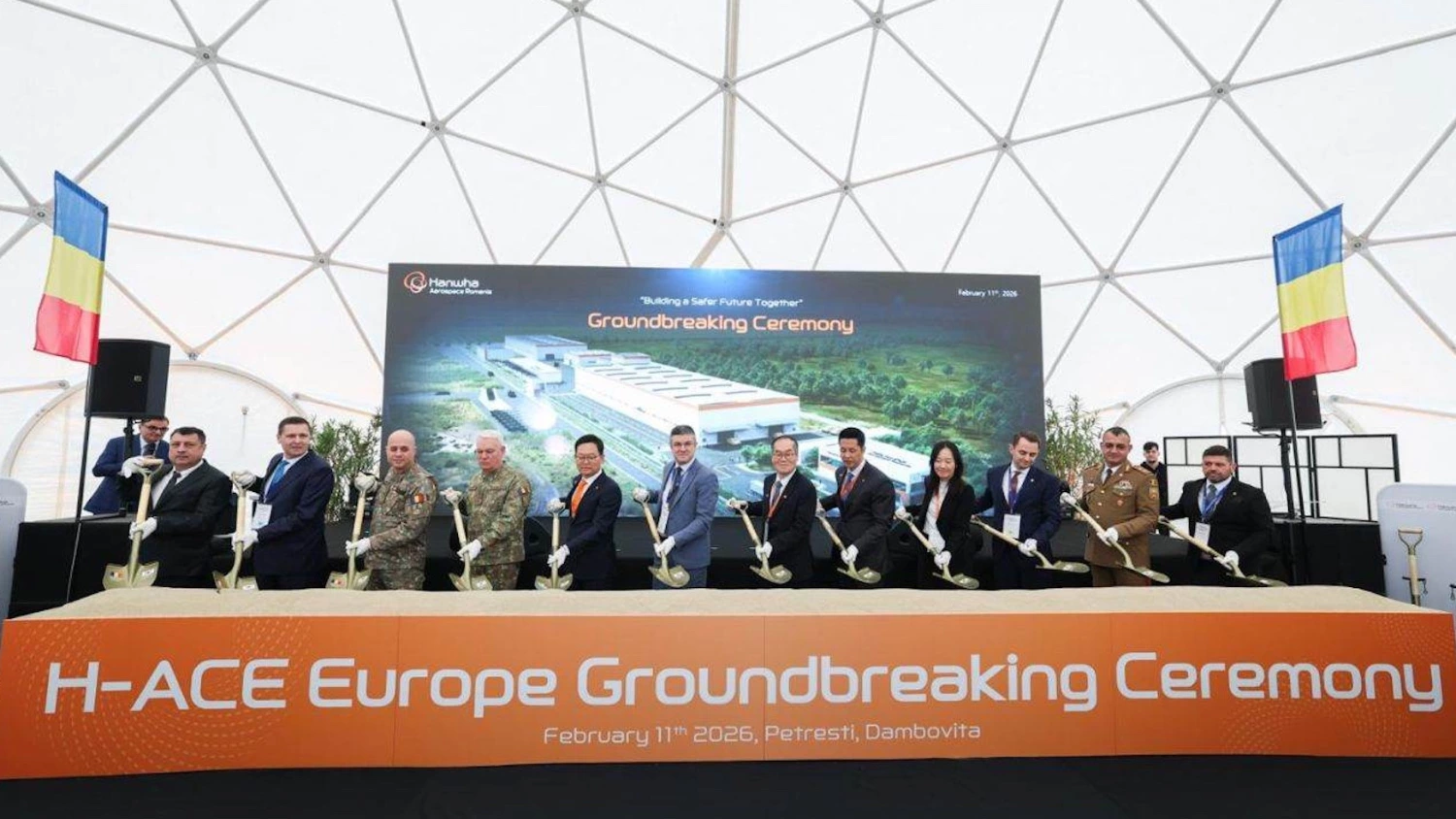
Hanwha Aerospace Romania has begun construction of a factory in Petrești, Dâmbovița county, to produce K9 self-propelled howitzers and K10 ammunition resupply vehicles.
Romania's industrial production fell 1.1% as a gross series and 0.5% as a seasonally adjusted series in the first 11 months of the year compared to the same period in 2024, according to the National Institute of Statistics (INS).
Romanian business managers across key sectors forecast a moderate decline in economic activity for December 2025 to February 2026, according to the latest survey from the INS.
Industrial production prices (domestic and external markets) increased by 8% in October 2025 compared to the same period in 2024, according to data published by Romania's National Institute of Statistics (INS).
New orders in the total manufacturing industry (domestic and foreign markets) saw a nominal decrease in August 2025, falling by 28.5% compared to July 2025.
Romanian metal company Lio-Metal has opened a €5 million manufacturing facility in Galați. The greenfield investment was backed by financing from ING Bank.
Diehl Aviation, the German system supplier of aircraft system and cabin solutions, is set to broaden its global footprint by establishing a new production site in Romania.
Bucharest is consolidating its position within the Central and Eastern European (CEE) real estate market, combining rental growth across major asset classes with investment yields that remain well above Western European levels, according to the DNA of Real Estate Europe Q2 2026 report published by Cushman & Wakefield. Across Europe in Q2 2026, prime office rents rose 4.5% year-on-year, retail rents increased 3.0%, and logistics rents grew 2.4%, while investors remained selective as yield movements pointed to a more balanced market following the repricing cycle of recent years.
Energy company Electrica informs investors and the capital market that it has obtained the technical grid connection permits (ATR) for 17 new battery energy storage projects (BESS), with a total capacity of approximately 700 MWh.
The European Retail Banking Radar, Kearney's latest study now in its 18th edition, shows that Europe is entering a period of normalisation following the conditions of 2023–2025. For Romania, the challenge extends beyond the normalisation of interest rates.
Romania's national electricity transmission network operator, Transelectrica, has halted scheduled maintenance shutdowns to ensure the grid operates at maximum capacity during an ongoing extreme heatwave. The preventive measures aim to mitigate operational risks associated with severe weather conditions.
Digi Spain has announced its intention to launch an initial public offering (IPO) on the Spanish stock exchanges, aiming to raise approximately €150 million.