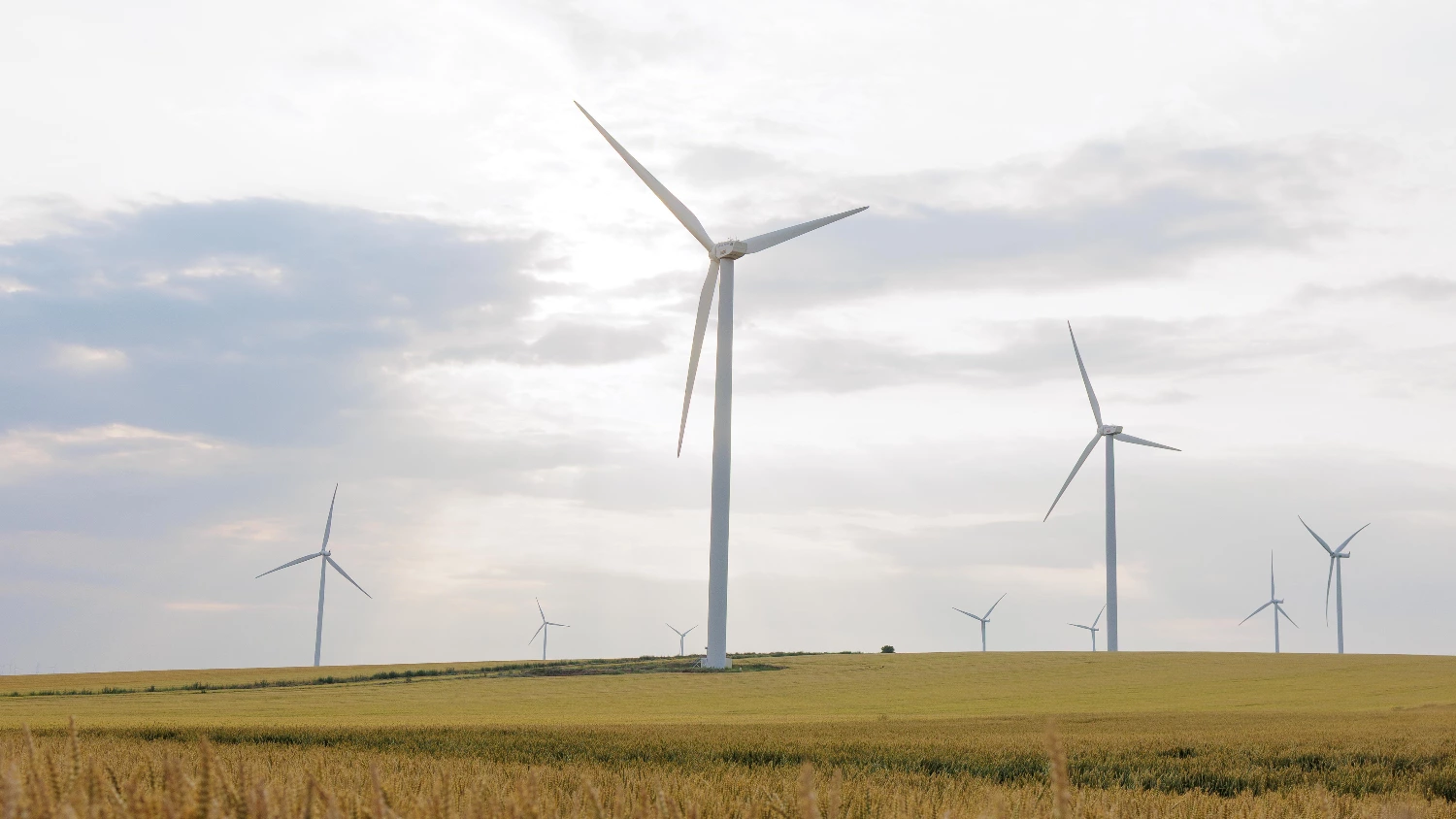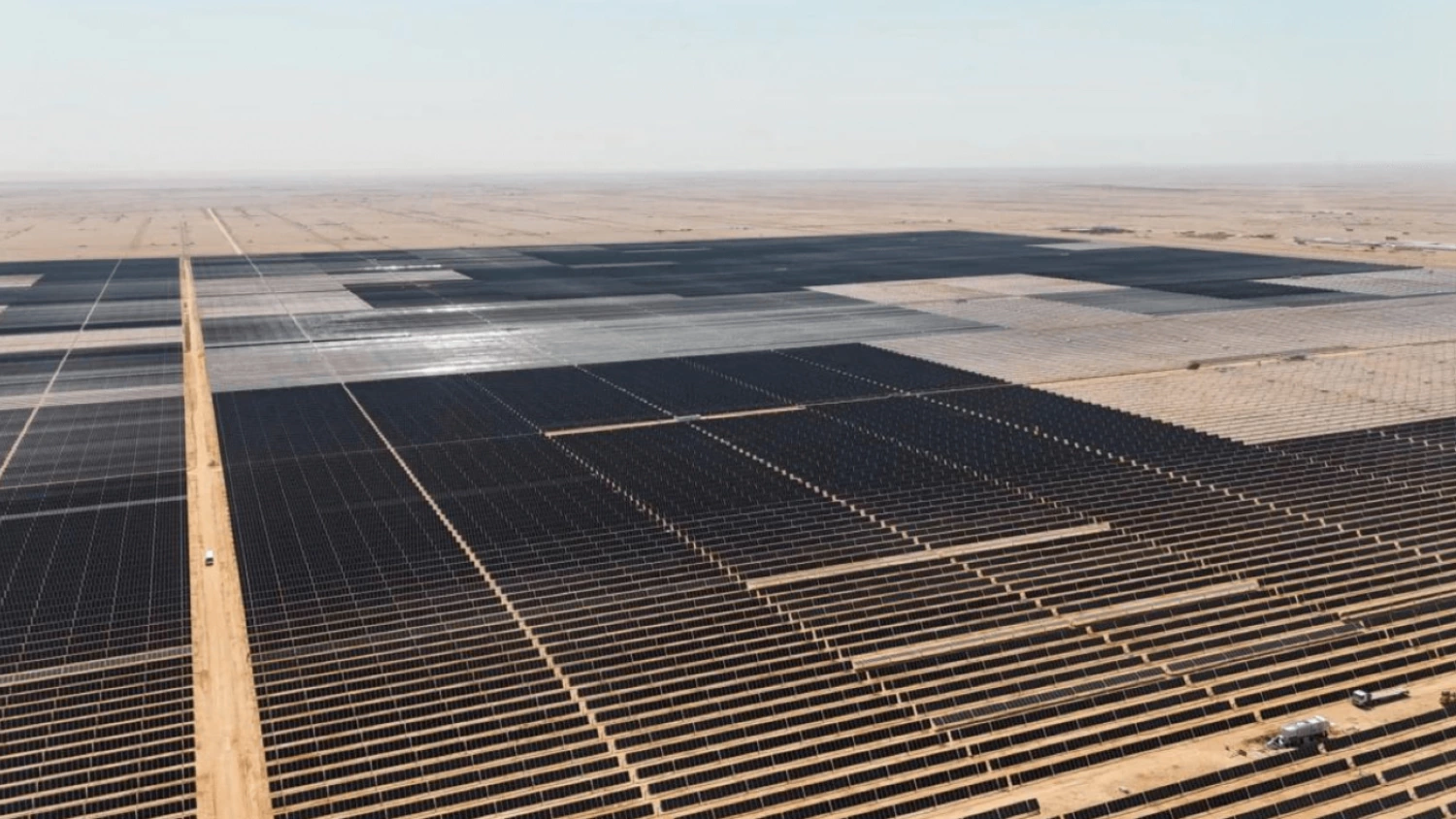


As renewables increase grid variability, curtailment is no longer the optimal solution. Instead, battery energy storage systems (BESS) provide a robust approach to stabilizing the grid.
”Energy storage systems make the energy system safer, more flexible, and reduce energy losses, ensuring stable energy supply for citizens and local businesses,” said Benedikt Fraitzl, Director, Interim Head of M&A and Project Financing, European Energy.
European energy's commitment to storage development
In October 2024, it was installed the first operational BESS in Denmark with global battery storage pipeline exceeding 6 GW, having systems integrated as hybrid projects with solar and wind farms or as stand-alone assets. The total capacity under construction of renewable energy projects is 1.1 GW across 9 countries, including Australia and the US, while the development pipeline is 66 GW, with 20% out of Europe.
BESS balance the grid by storing excess renewable energy and dispatching it when demand is higher. This reduces reliance on fossil fuel imports, enhances national energy security, and accelerates the green transition.
”We are focusing on co-located battery energy storage projects. Our financial models consider electricity price volatility, regulatory frameworks, grid availability, technological conditions, and revenue streams,” said Benedikt Fraitzl.
Regulatory challenges and market maturity
The development of BESS depends on market maturity and regulatory stability. In some countries, frequent regulatory changes and grid access barriers hinder progress. By contrast, markets like the UK and Denmark offer stable frameworks, enabling faster adoption and investor confidence.
”The biggest difference between markets is regulatory maturity. In some, we are still fighting for grid access, while others, like the UK or Denmark, provide clear pathways,” said Benedikt Fraitzl.
Support schemes for BESS in Europe remain a critical topic. While these schemes can provide a strong foundation for market growth, long-term success relies on scaling projects, ensuring clear revenue streams, and establishing a stable regulatory framework.
Battery energy storage in Romania
European Energy has 500 MW of renewable energy projects in Romania that have already obtained grid connection approvals, with a total of 1.5 GW under development. Romania's recently updated National Integrated Energy and Climate Change Plan for 2021–2030 has set ambitious targets, including the construction of 33.3 GW of solar photovoltaic capacity and 21.3 GW of wind capacity by 2050, as well as the installation of 1,200 MW / 2,400 MWh of battery storage by 2030 and 2 GW by 2035.
”We see great potential for Romania's renewable energy sector, including BESS, but we'll have to wait for the final adoption of the Plan. Battery energy storage systems are pivotal for stabilizing energy grids as renewables grow. Their development in Romania and beyond requires not just technological advancement but also consistent regulatory support to ensure investor confidence and successful scaling of projects. European Energy's ongoing projects and expertise position it as a key player in driving green transition,” said Ioannis Kalapodas, Country Manager, European Energy Romania