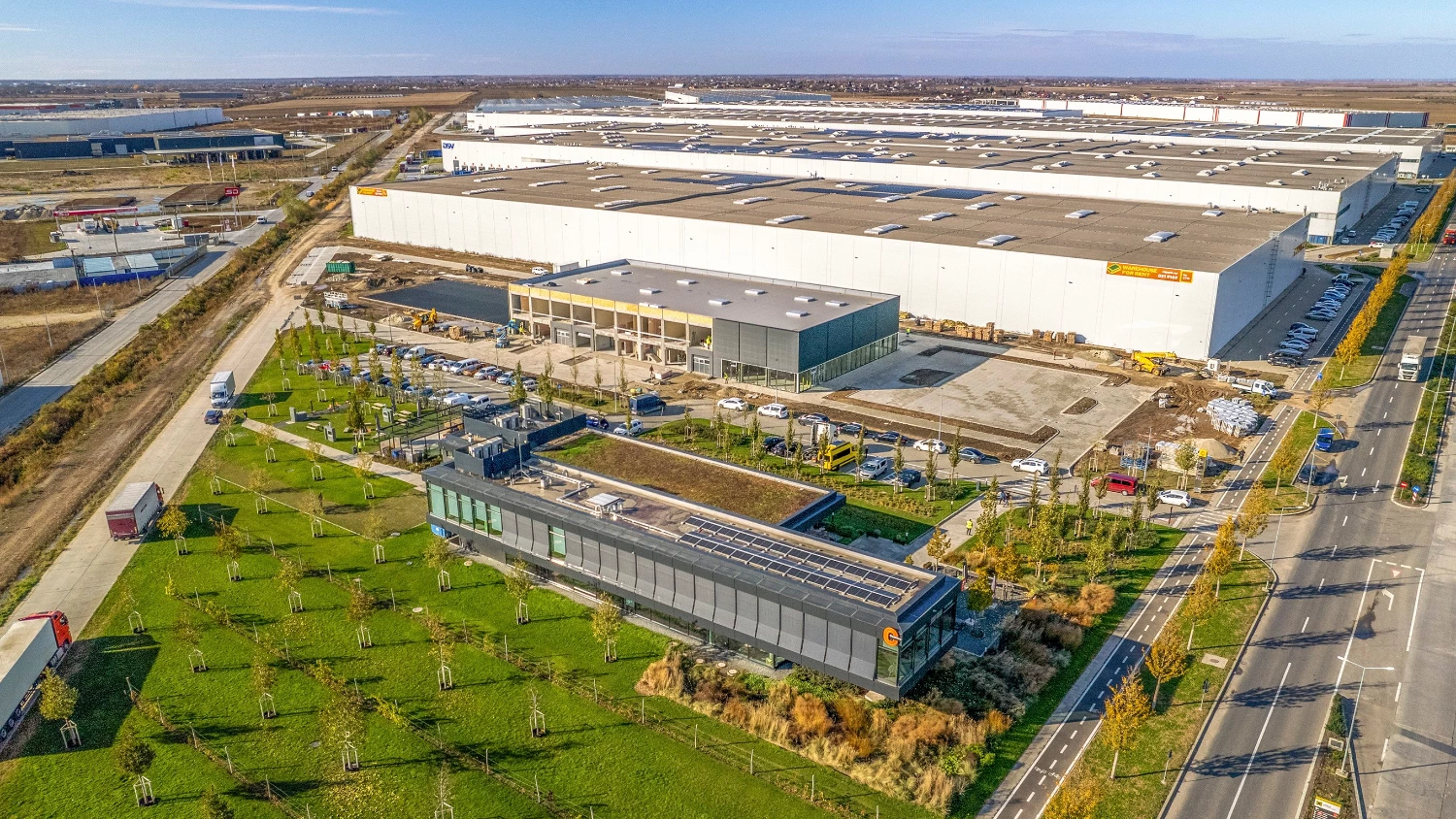
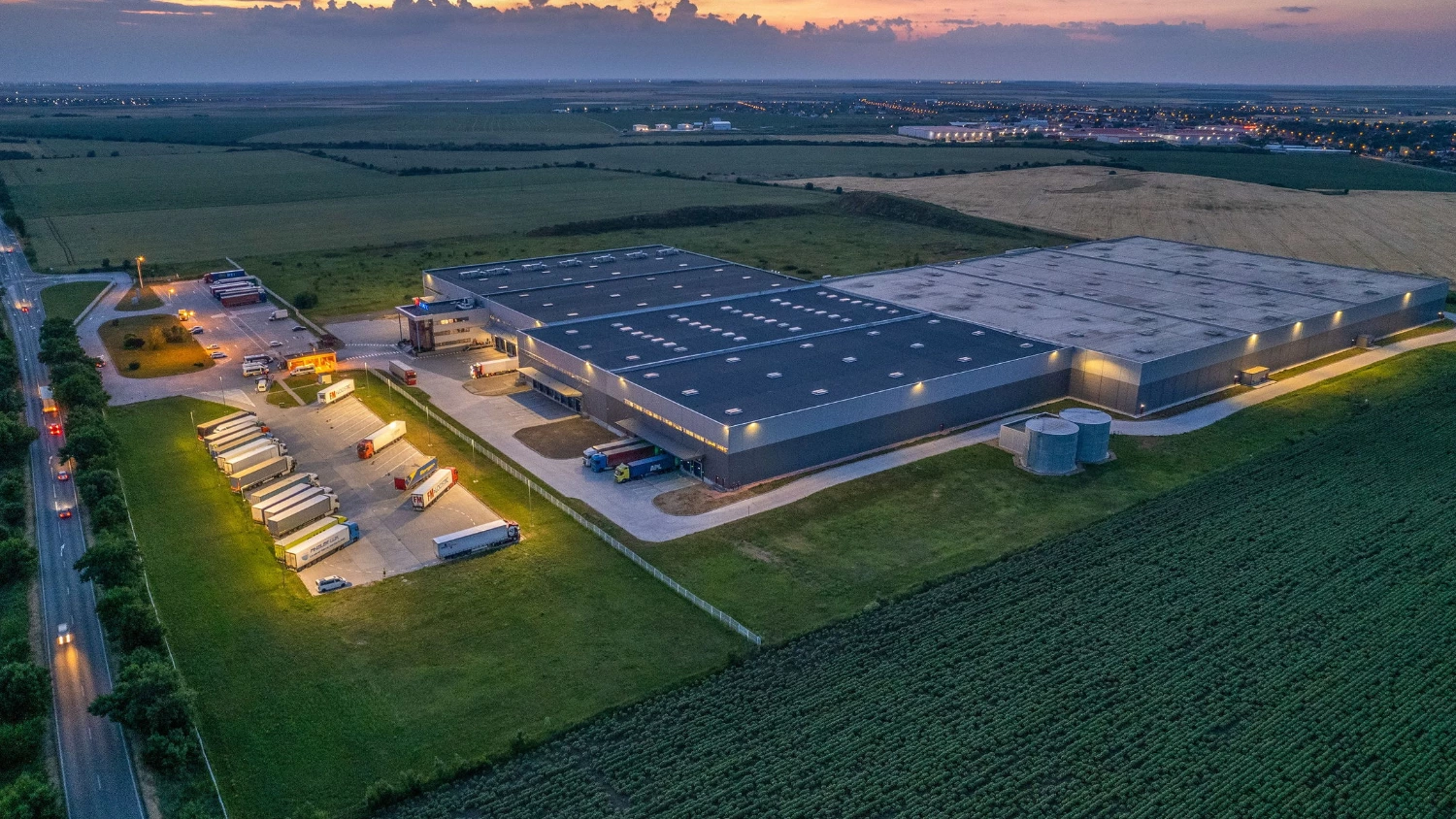
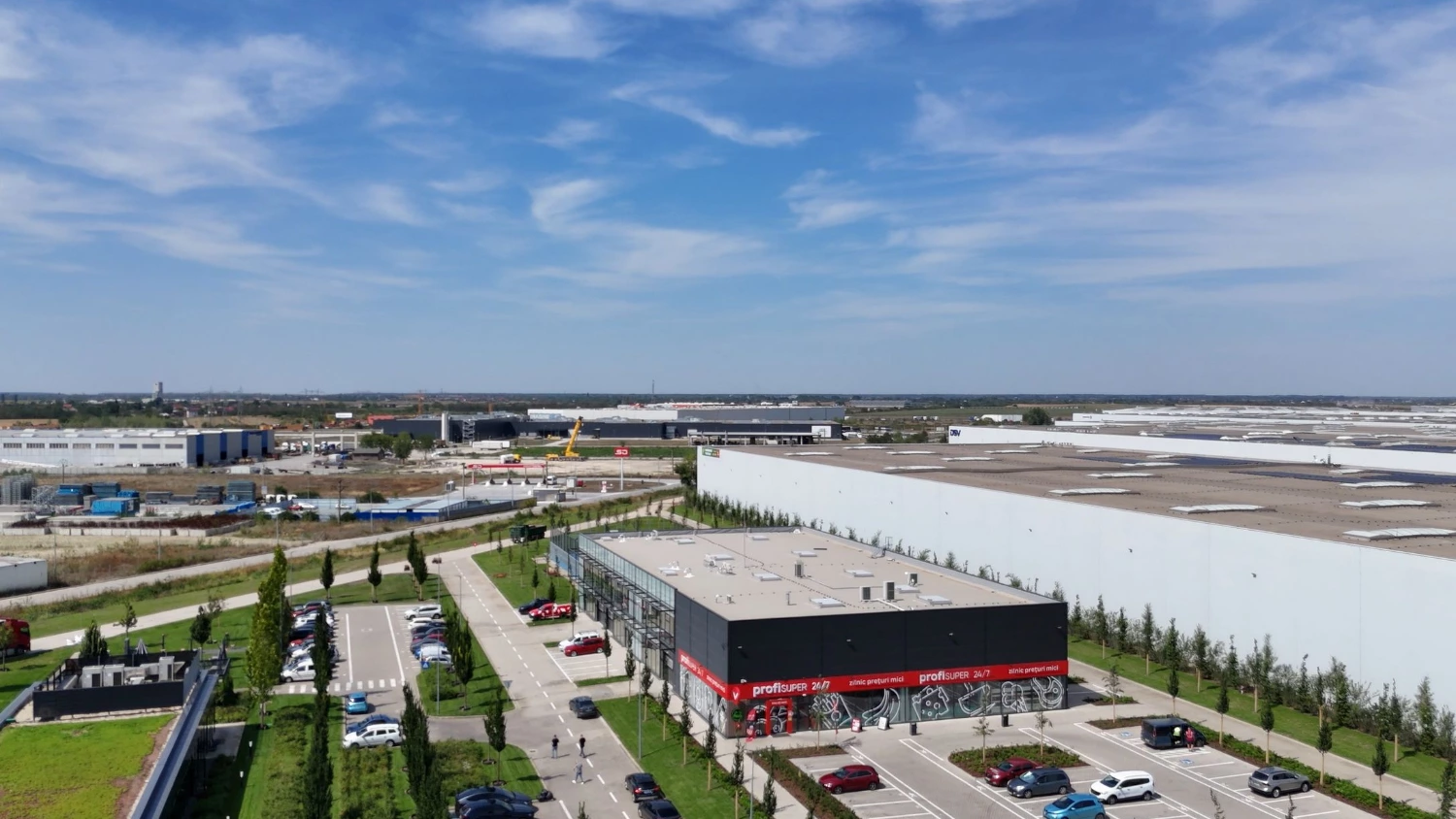
Romania continues to gain visibility on the European industrial and logistics investment map, at a time when companies are looking for competitive markets for manufacturing, warehousing and distribution. Two-thirds of the European regions with the strongest profile for manufacturing activities are located in just four countries – Poland, Spain, Romania and France – according to the report "ExCEEding Borders: CEE & Iberia: Driving Europe's Industrial Transformation", published by Colliers.
Office markets across the six largest CEE capital cities, Prague, Warsaw, Budapest, Bucharest, Bratislava, and Sofia, have entered a new phase characterized by a severe supply crunch.
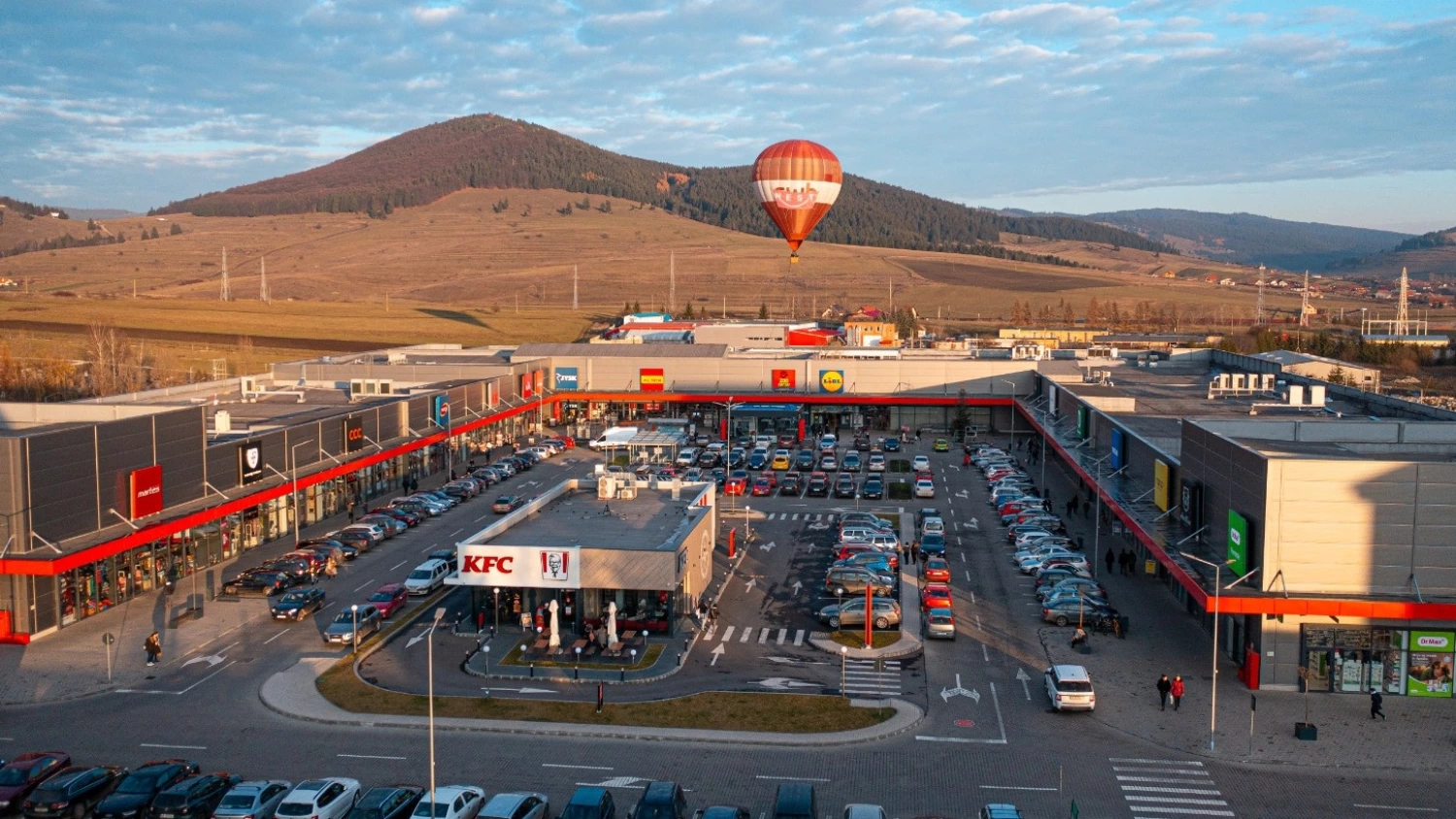
Czech investment group SCF has completed the acquisition of two Romanian NEST retail parks from developer RC Europe for nearly €40 million. The transaction marks SCF's entry into its fourth country, expanding its Central European retail portfolio beyond the Czech Republic, Poland and Slovakia.
Manova Partners is expanding its investment activities in CEE with a focus on Poland. The international real estate investment manager currently manages a property portfolio in the region worth more than €1.4 billion.
Industrial developer CTP recorded gross rental income of €205.1 million in Q1-2026, up 12.3% year-on-year with like-for-like rental growth of 4.6%. The company's annualised rental income increased to €849.3 million by the end of March 2026.
CEE is transforming from Europe's periphery into a defence industry powerhouse, according to a new KPMG study. The region's combination of cost efficiency, industrial capacity, and strategic location is attracting investment as European defence spending increases.
Romania emerged as the most dynamic mergers and acquisitions (M&A) market in Central and Eastern Europe (CEE), recording 9% growth in transaction numbers during 2025.
Construction costs and plot acquisition have become the primary concerns for real estate developers in Central Europe in 2026, affecting 27% and 25% of companies respectively, according to a Deloitte report.
Commercial property investment in CEE rebounded strongly in 2025, with a combined volume of €11.3 billion across Czech Republic, Poland, Hungary, Romania and Slovakia. This represents a 34% year-on-year increase and stands 24% above the five-year average, according to data by Knight Frank.
The Middle East conflict is driving up energy prices and pushing inflation higher across CEE. Oil and gas shocks hit import-dependent economies hardest, forcing central banks to postpone planned rate cuts as markets turn risk-off, according to an analysis by ING Bank.
Romania's commercial real estate investment market recorded approximately €500 million in 2025, down 31% from the previous year, due to the absence of large transactions.
CEE property investment reached a turning point in 2025, with transaction volumes across the region's six main markets totalling €11.6 billion, representing 31% annual growth according to Colliers' latest analysis.
Central Europe's commercial real estate sector is experiencing a transformation, with Hungary leading the recovery through an 86% year-on-year increase in investment driven by Asian capital from China and South Korea. The CATL factory in Debrecen and BYD in Szeged, along with the planned Volvo plant in Košice, Slovakia, are reshaping the region's industrial landscape and creating demand for logistics space.
Colliers has published a new report focusing on CEE, examining economic and real estate trends across Bulgaria, Czech Republic, Hungary, Poland, Romania and Slovakia. The study shows that 2025 brought moderate economic recovery, easing inflation and rising focus on sustainability, while real estate markets were shaped by modernization, limited new office supply, strong logistics demand and retail park expansion.
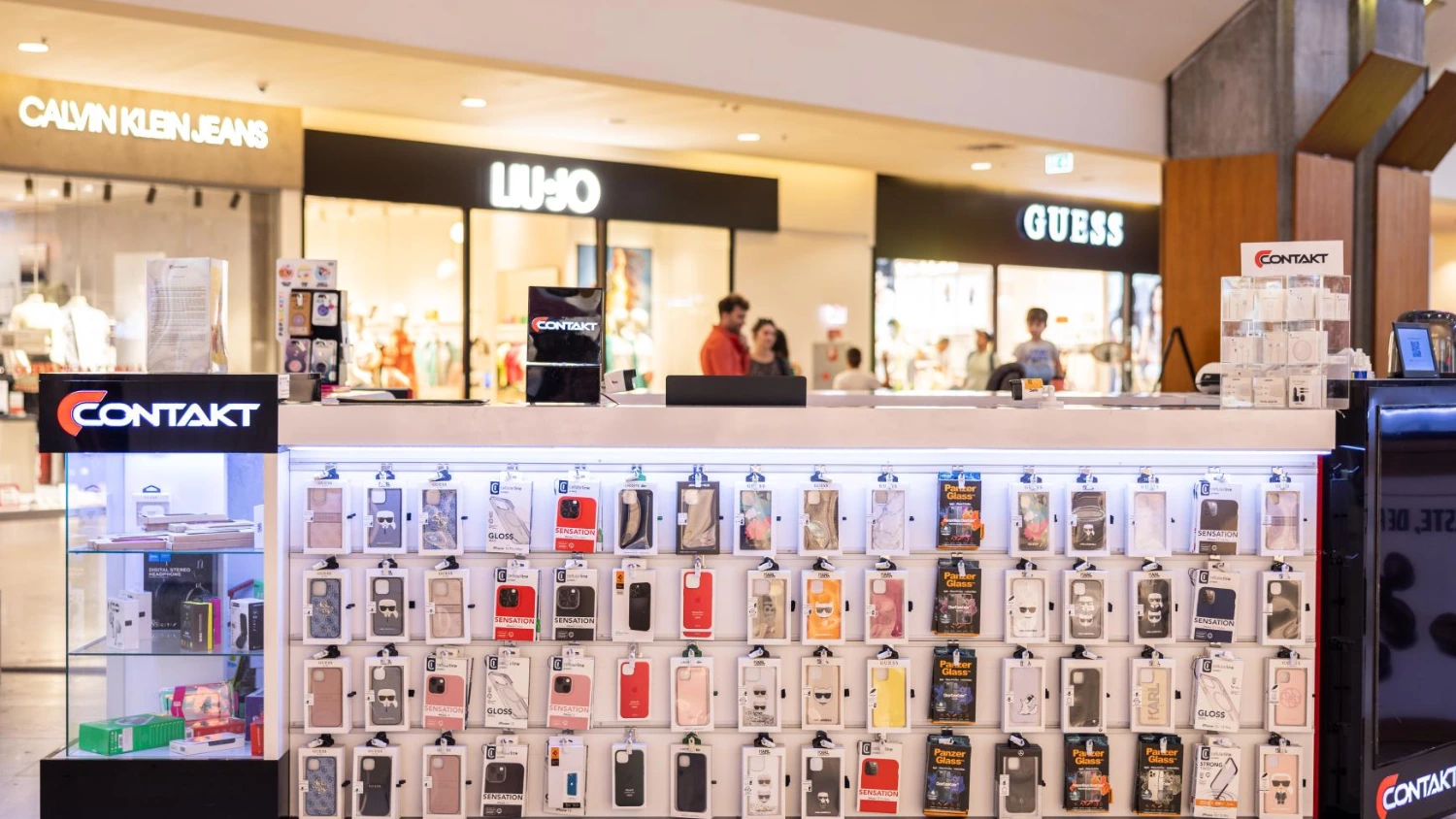
Romanian mobile phone accessories retailer Contakt has announced its entry into the Czech market with two locations in Prague, marking a new step in its European expansion plan. The company has signed for locations in high-traffic malls with official opening estimated for March 2026.
Industrial developer CTP reported net rental income growth of 15.4% year-on-year to €549 million in the first nine months of 2025. The company achieved like-for-like rental growth of 4.5%, driven by indexation and lease renewals.
Bucharest is consolidating its position within the Central and Eastern European (CEE) real estate market, combining rental growth across major asset classes with investment yields that remain well above Western European levels, according to the DNA of Real Estate Europe Q2 2026 report published by Cushman & Wakefield. Across Europe in Q2 2026, prime office rents rose 4.5% year-on-year, retail rents increased 3.0%, and logistics rents grew 2.4%, while investors remained selective as yield movements pointed to a more balanced market following the repricing cycle of recent years.
Energy company Electrica informs investors and the capital market that it has obtained the technical grid connection permits (ATR) for 17 new battery energy storage projects (BESS), with a total capacity of approximately 700 MWh.
The European Retail Banking Radar, Kearney's latest study now in its 18th edition, shows that Europe is entering a period of normalisation following the conditions of 2023–2025. For Romania, the challenge extends beyond the normalisation of interest rates.
Romania's national electricity transmission network operator, Transelectrica, has halted scheduled maintenance shutdowns to ensure the grid operates at maximum capacity during an ongoing extreme heatwave. The preventive measures aim to mitigate operational risks associated with severe weather conditions.
Digi Spain has announced its intention to launch an initial public offering (IPO) on the Spanish stock exchanges, aiming to raise approximately €150 million.