
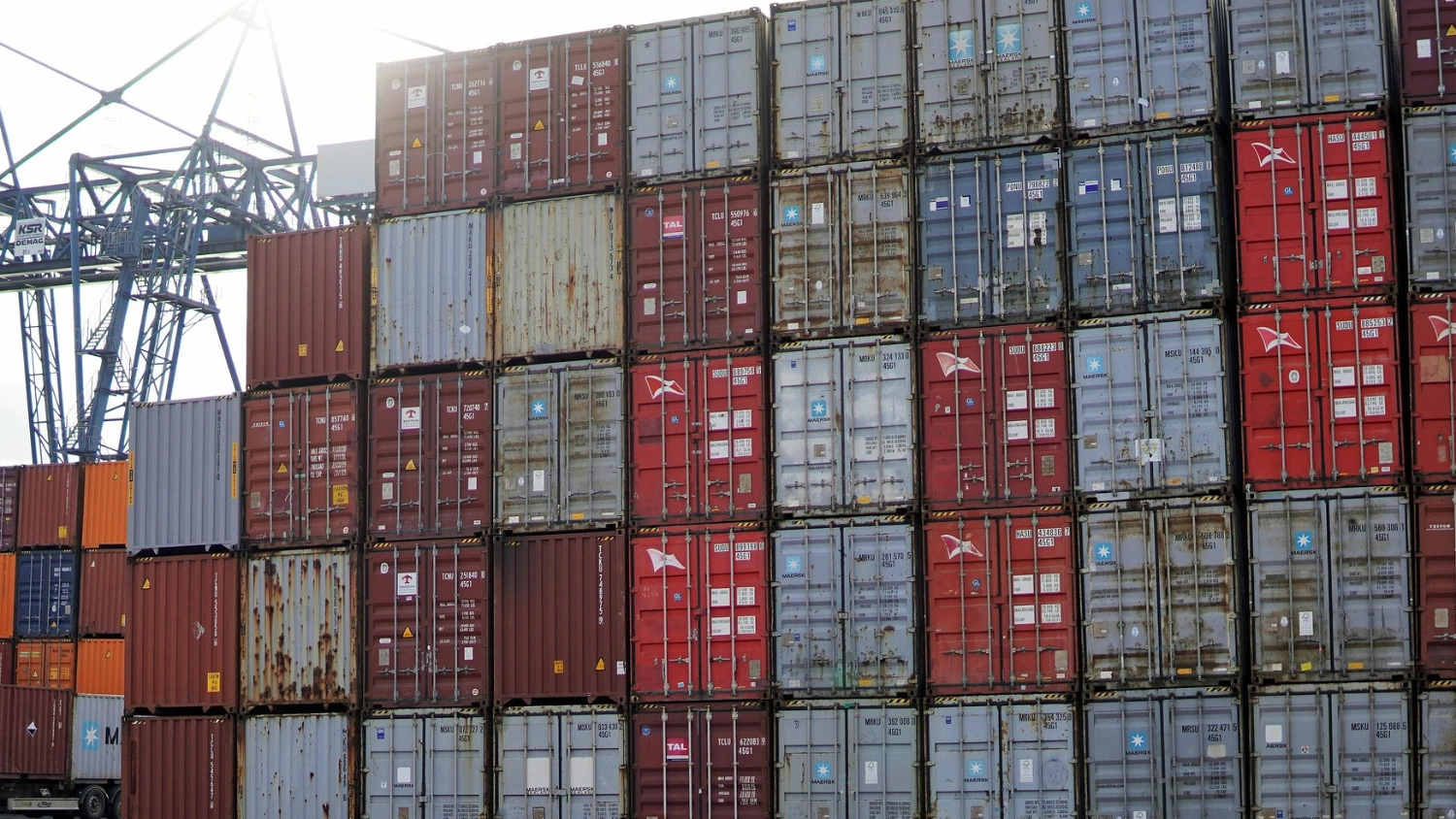


Disputes between importers and customs authorities regarding goods origin, tariff classification and customs value extend beyond simple technical issues. In the context of intensified customs controls, companies can face major challenges that directly impact merchandise costs, operational flows and financial stability.
"The most frequent customs disputes come from three critical areas: goods origin, tariff classification and customs value. These elements are essential for correct calculation of customs duties," according to an opinion piece by Mihai Petre, Director, and Cosmin Dincă, Manager, International Trade at EY Romania.
Financial consequences can materialise in substantial additional obligations including customs duties, compensatory measures, anti-dumping or safeguard taxes, plus VAT, interest and penalties. These can cause supply chain blockages and immediate cash-flow pressures.
European economies have faced a complicated international context over the past three years, marked by regional wars, political changes generating economic policy shifts, and accentuated national budget deficits. Authorities have intensified all types of controls due to great pressure on budget revenue collection. EY Romania recommends companies obtain Binding Tariff Information and Binding Origin Information, document production chains and origin rules, and prepare solid evidence files including technical expertise and independent opinions for effective dispute management.