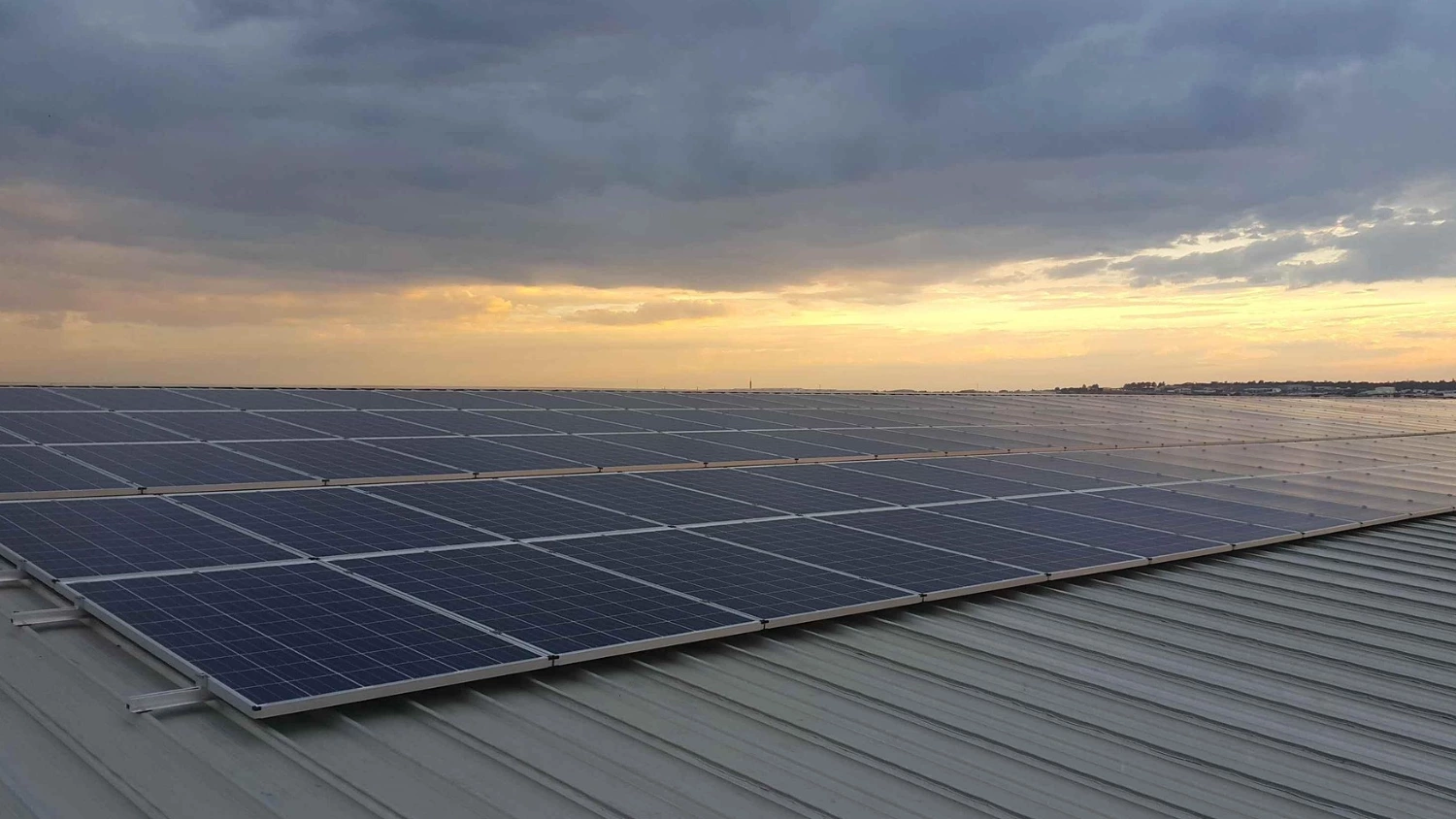


Romania sees more than 70,000 MW of new photovoltaic projects in various stages of development with grid connection contracts already signed, according to data from Rei Grup, specialised in attracting non-reimbursable financing through European funds and state aid.
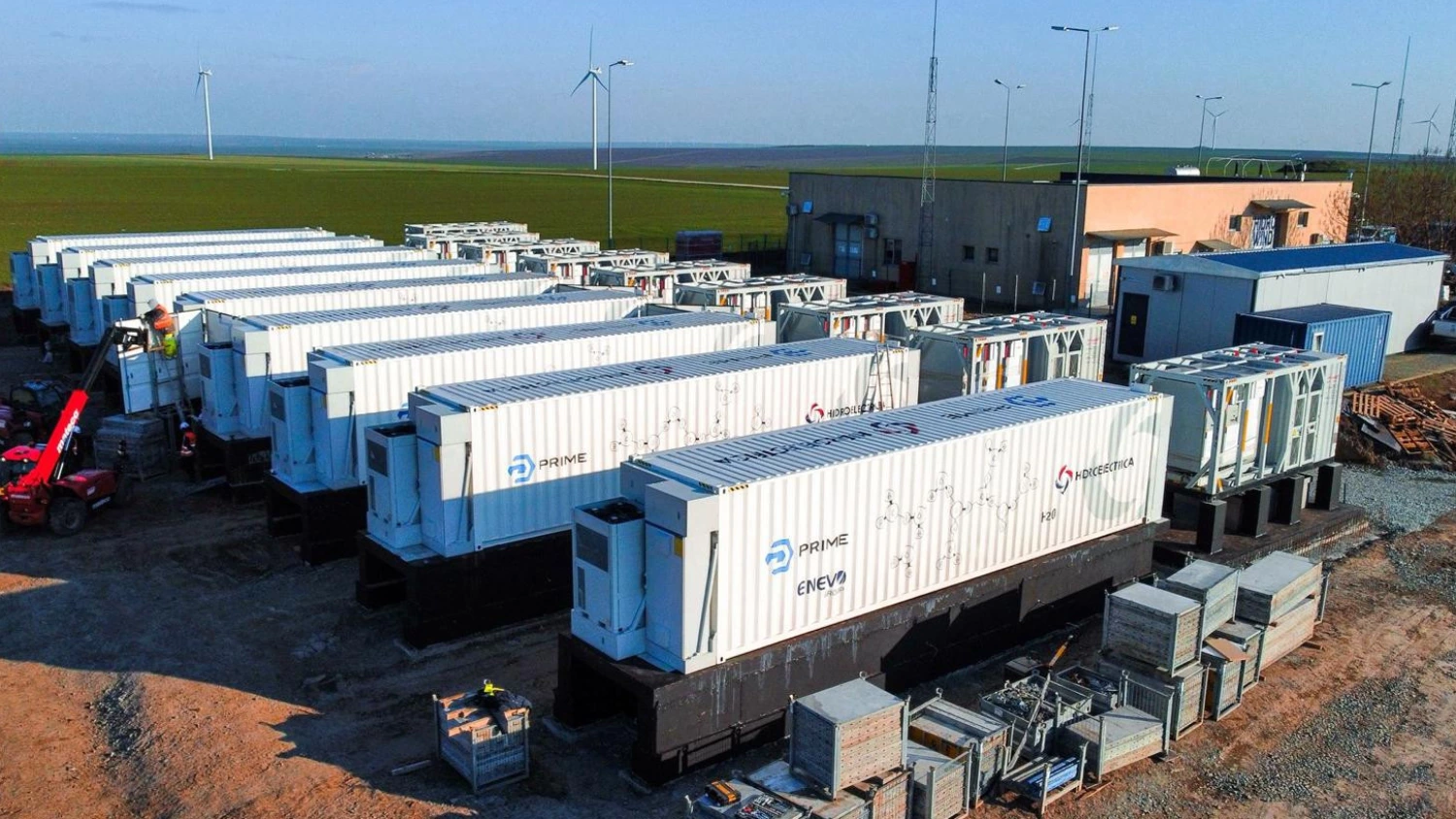
Over 500 projects, totalling more than 1,500 MW of renewable energy and over 2,000 MW of battery storage are underway by the Rei team. "Interest in investing in photovoltaic parks or increasing energy efficiency in manufacturing has exploded since 2022, with the onset of the energy crisis following Russia's invasion of Ukraine," according to Roxana Mircea, Managing Partner at Rei. "Estimates show that, at present, contracts have been signed for the grid connection of over 70,000 MW of new solar energy projects."
Over 50% of the energy produced in the European Union comes from renewable sources, Eurostat data reveals. In the second quarter of this year, 54% of the net energy generated in the EU came from renewable sources, an increase of over 50% compared to the same period last year. June was the first month in history in which solar energy was the main source of electricity generated in the EU.
Romania is in the first half of the rankings, occupying 11th place, ahead of countries such as Spain, Italy, Greece, Poland, Bulgaria, and France. "We have the potential to become one of the top five countries in Europe in terms of green energy production from renewable sources," Mircea added.
Romanian entrepreneurs and foreign investors will have access to six financing programmes in the coming period, with total allocations of over €1.5 billion, aimed at supporting production, transportation, logistics, energy production, and charging stations. The funds can be used to replace production equipment, vehicle fleets, energy production, energy storage batteries, or charging stations for electric vehicles. Local authorities have over €500 million available for the production of energy from renewable sources in conjunction with storage batteries, plus another €150 million for storage batteries to cover public lighting costs.