


Nearly 66% of respondents are concerned about overdependence on AI at work, 56% believe it risks dehumanising work, 40% approach the technology with caution regarding its impact on jobs, and 31% say it generates anxiety when it comes to long-term job security.
There are clearly defined areas where employees believe AI should not intervene at all, particularly when human dimensions of work are involved. Thus, 62% say AI should not be used for decisions that directly affect people, such as performance evaluations, promotions, or dismissals. More than half of respondents (53.6%) oppose the use of AI to assess emotions, motivation, or psychological state, while over 35% believe that interpersonal relationships and team dynamics should remain human. At the same time, 29.6% point to leadership and accountability as areas where decision-making and judgment cannot be delegated to technology.
Although technology contributes to increased productivity - by automating repetitive tasks (53%), enabling rapid data analysis (40%), and supporting creative activities (28%) - more employees believe that a recalibration is needed in how it is used in the workplace. Nearly 55% of respondents believe that technology in the office should be combined with elements that help them disconnect - from relaxation areas and spaces for team connection to outdoor offices or indoor environments with natural light, proper ventilation, plants, and other natural features.
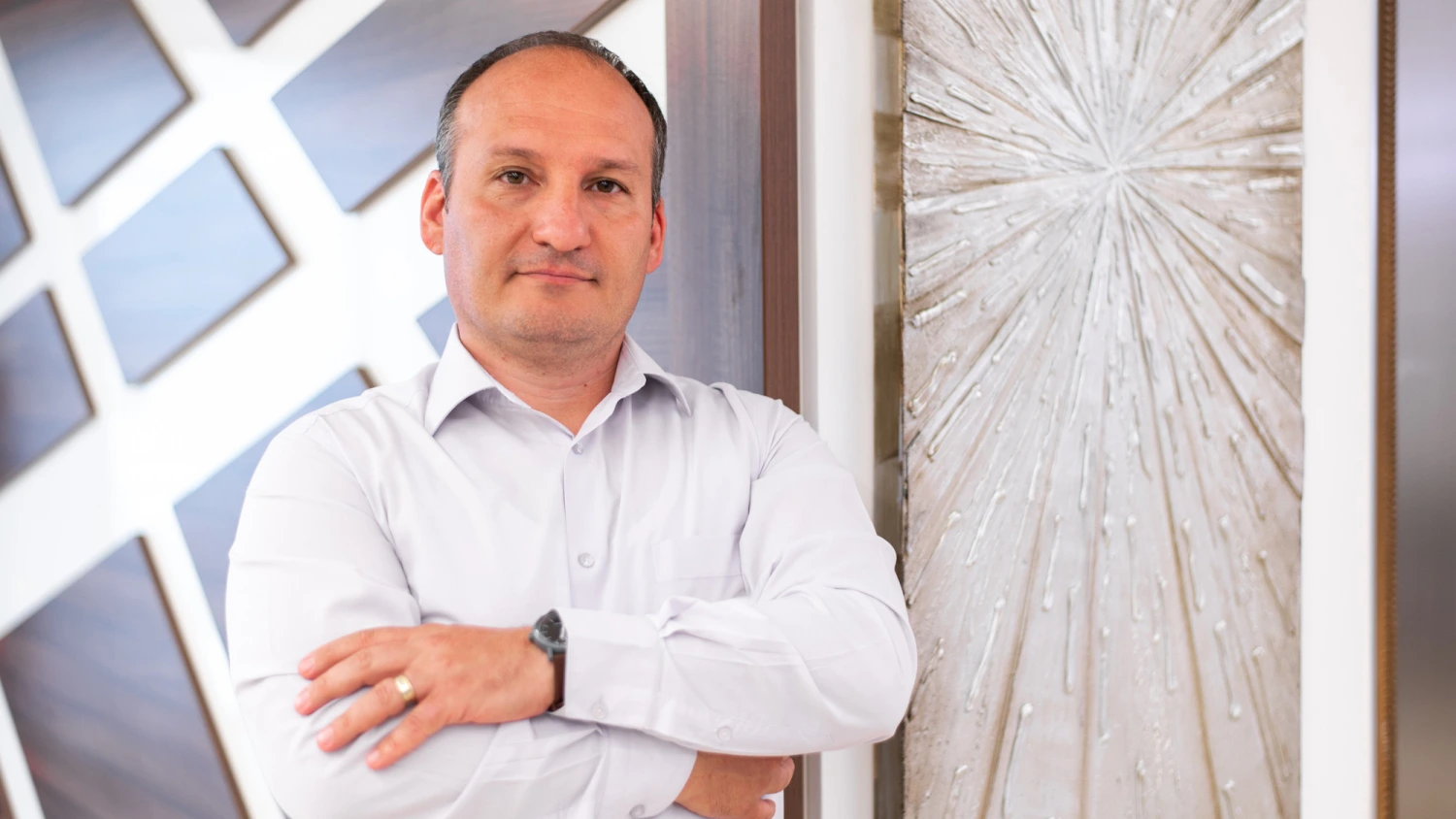
"We are seeing a shift in perspective: employees are not rejecting technology, but neither are they willing to accept it without limits. AI is welcomed where it simplifies work, yet it becomes a source of discomfort when it removes the human element entirely," said Elena Panait (in photo), Head of Leasing & ComYunitY at Genesis Property. "Beyond technological adoption, employees are seeking a balance between innovation and responsibility. They need both the tools that enhance efficiency and dedicated spaces that allow them to disconnect and engage with colleagues."
The concept of a "smart office" is no longer defined by the presence of more technology, but by technology that is seamlessly integrated and less intrusive. According to the survey, 37.3% of employees say they want a work environment that enhances efficiency while keeping decision-making in the human domain, while 35.2% prefer spaces where technology is almost invisible. More than half of respondents (50.8%) identify activity monitoring systems as the main source of discomfort, while 42.9% are concerned about automated performance evaluations without human judgment.