Iulius has over 500,000 sqm certified under LEED standard

Business Forum
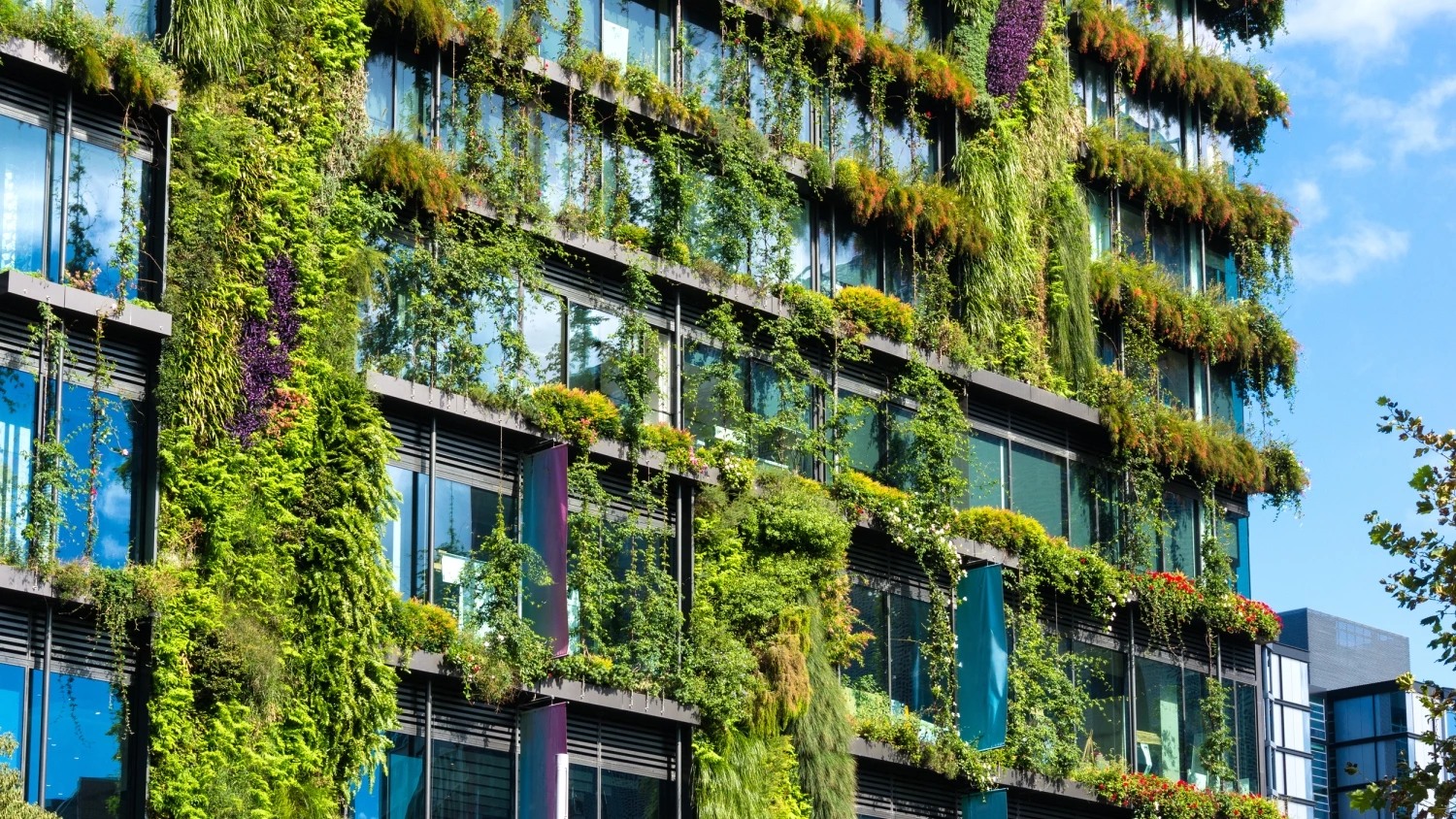
Romanian developer Iulius says its entire portfolio holds green certifications or is pending certification, with more than 500,000 sqm being included in the LEED standard for green buildings.

Due to its investments in sustainability, the company has reduced its greenhouse gas emissions by 24% in 2024 compared to 2019. Its total energy consumption fell by 26% in the same period, while the landfilled waste fell by 19%.

“We create spaces that cater to the current needs of the community, while also designing them to ease the transition to a more sustainable future. To this effect, last year we completed our carbon emission reduction strategy in collaboration with the International Finance Corporation and continued to invest in the communities where we are present,” says Dan-Adrian Chelaru, Iulius Group Sustainability Officer.

Iulius' sustainability investments include €190 million that have been deployed for community facilities, parks, and infrastructure solutions in its urban regeneration projects.

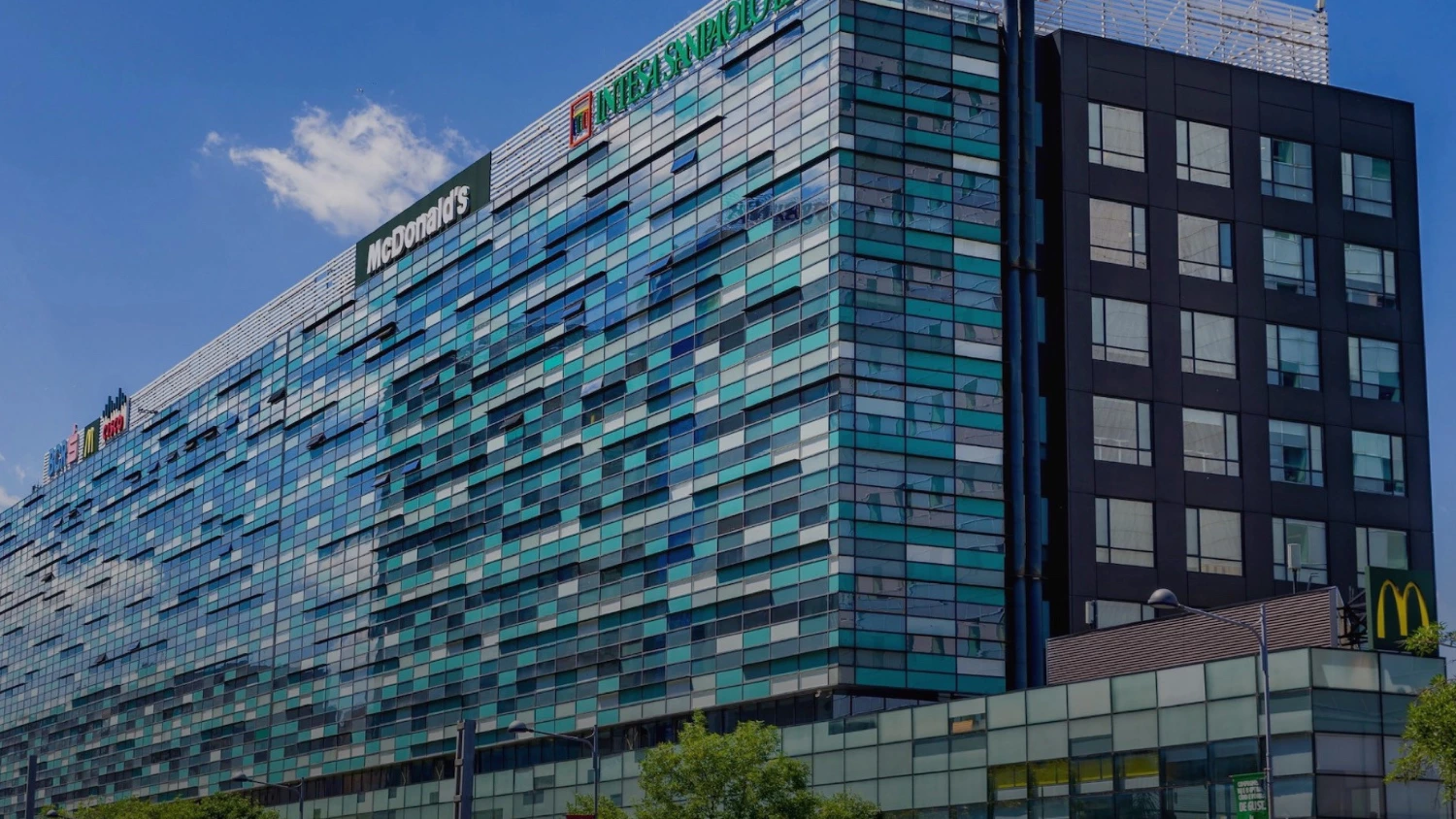
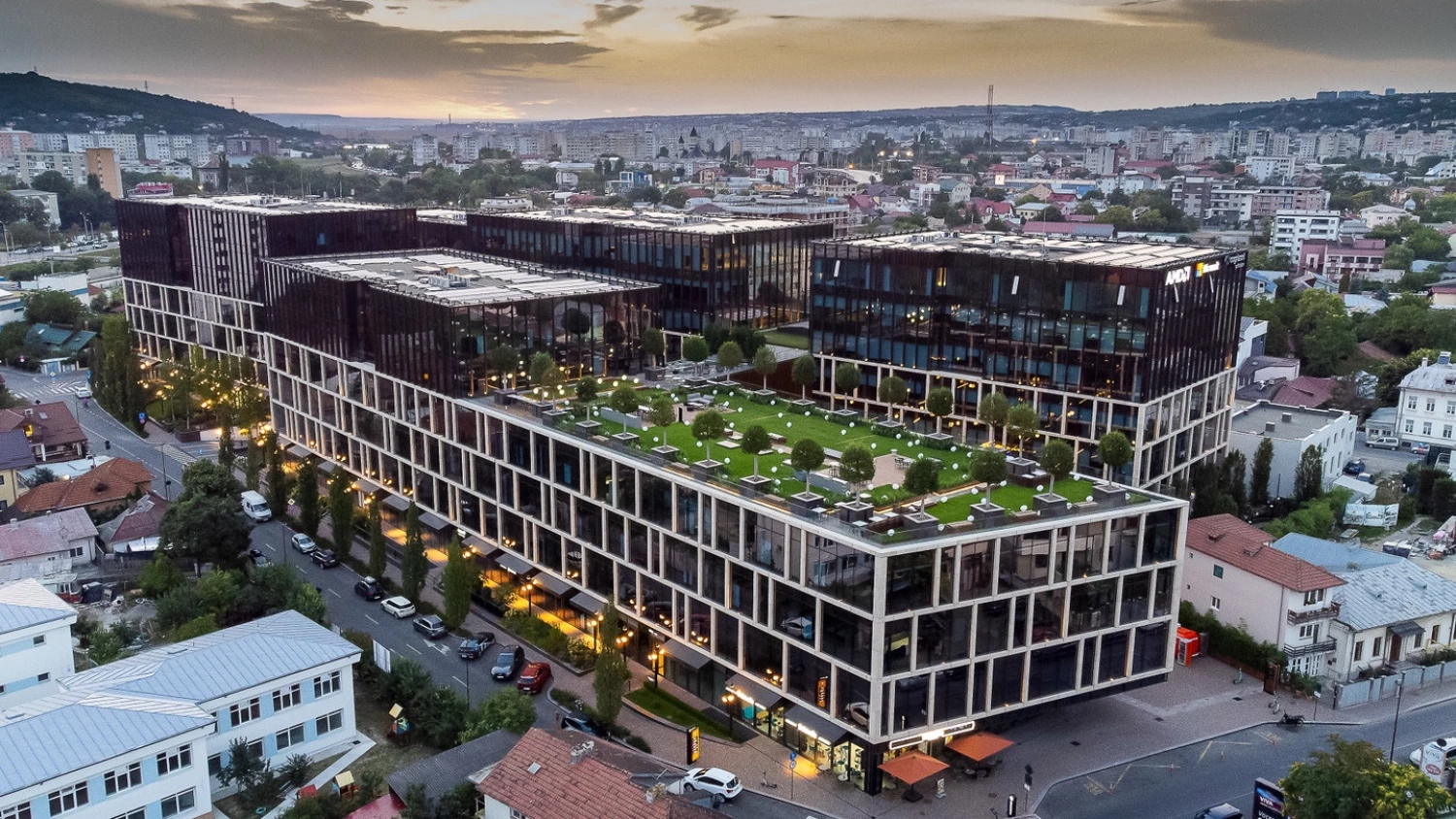
The company's portfolio comprises more than 310,000 sqm of retail premises in two mixed-use urban regeneration projects in Iași and Timișora. Its office portfolio spans 242,00 sqm across 15 green buildings.

At present, Iulius plans to start two new urban regeneration developments in Cluj-Napoca and Constanța with a combined investment of more than €1.3 billion.
 

RECOMMENDED
Green finance becomes the new rule for Romanian real estate
Real estate

Green finance becomes the new rule for Romanian real estate

Sustainability criteria are playing an increasing role when banks finance real estate projects in Romania, while buildings that meet green finance standards can obtain better terms. These are the findings of a study carried out by Colliers on the local market, based on responses from four commercial banks, which together hold more than half of the Romanian banking system's assets, and two multilateral development banks active in the real estate sector. The clearest rule identified for new buildings is the NZEB-10% standard, applied by all institutions analysed. All six require the primary energy demand of a new building to be at least 10% below the national NZEB threshold, and a project that does not meet this standard may still be financed, but the loan will generally not be classified as green finance.

America House Bucharest maintains Breeam Outstanding rating
Real estate

America House Bucharest maintains Breeam Outstanding rating

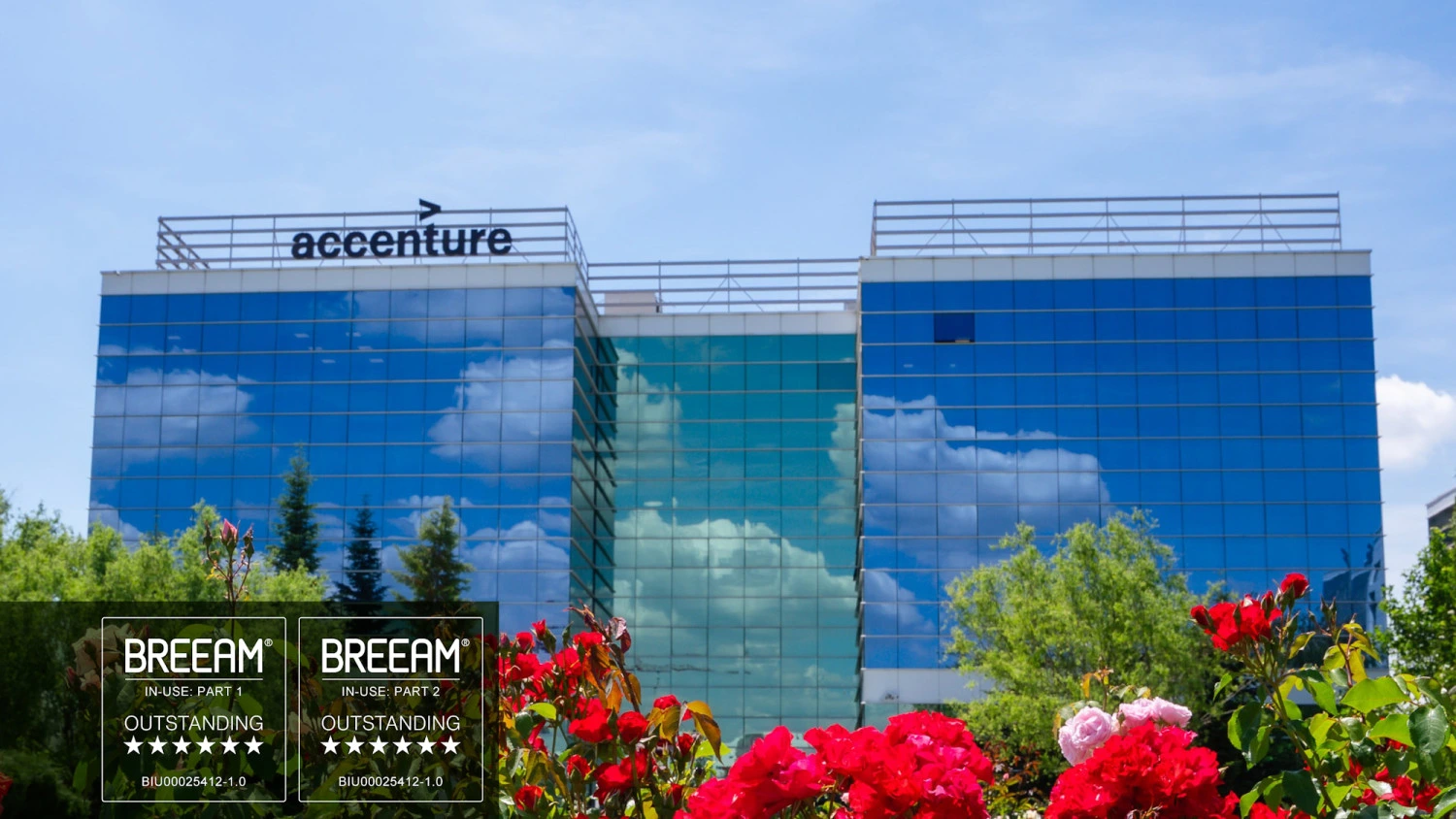
America House, the office building located at Victoriei Square in Bucharest's CBD, has reconfirmed its Breeam International In-Use Outstanding rating, maintaining its position among the top sustainable office buildings in Romania.

What the surge in technical services demand means for property investments in 2026
Real estate

What the surge in technical services demand means for property investments in 2026

Andrei Ianculescu, Head of Project & Development Services at Cushman & Wakefield Echinox, talked to Property Forum about the expansion of design and ESG advisory services, the industrial and logistics sector's growth post-Schengen, and the importance of independent project management for tenant fit-outs. Ianculescu also emphasised the potential in secondary cities and the increasing relevance of aligning projects with sustainability standards.

RECOMMENDED FROM THE HOME PAGE
Electrica secures grid permits for 700 MWh of storage
Energy

Electrica secures grid permits for 700 MWh of storage

Energy company Electrica informs investors and the capital market that it has obtained the technical grid connection permits (ATR) for 17 new battery energy storage projects (BESS), with a total capacity of approximately 700 MWh.

Energy

Romanian grid operator to support peak power consumption during heatwave

Romania's national electricity transmission network operator, Transelectrica, has halted scheduled maintenance shutdowns to ensure the grid operates at maximum capacity during an ongoing extreme heatwave. The preventive measures aim to mitigate operational risks associated with severe weather conditions.