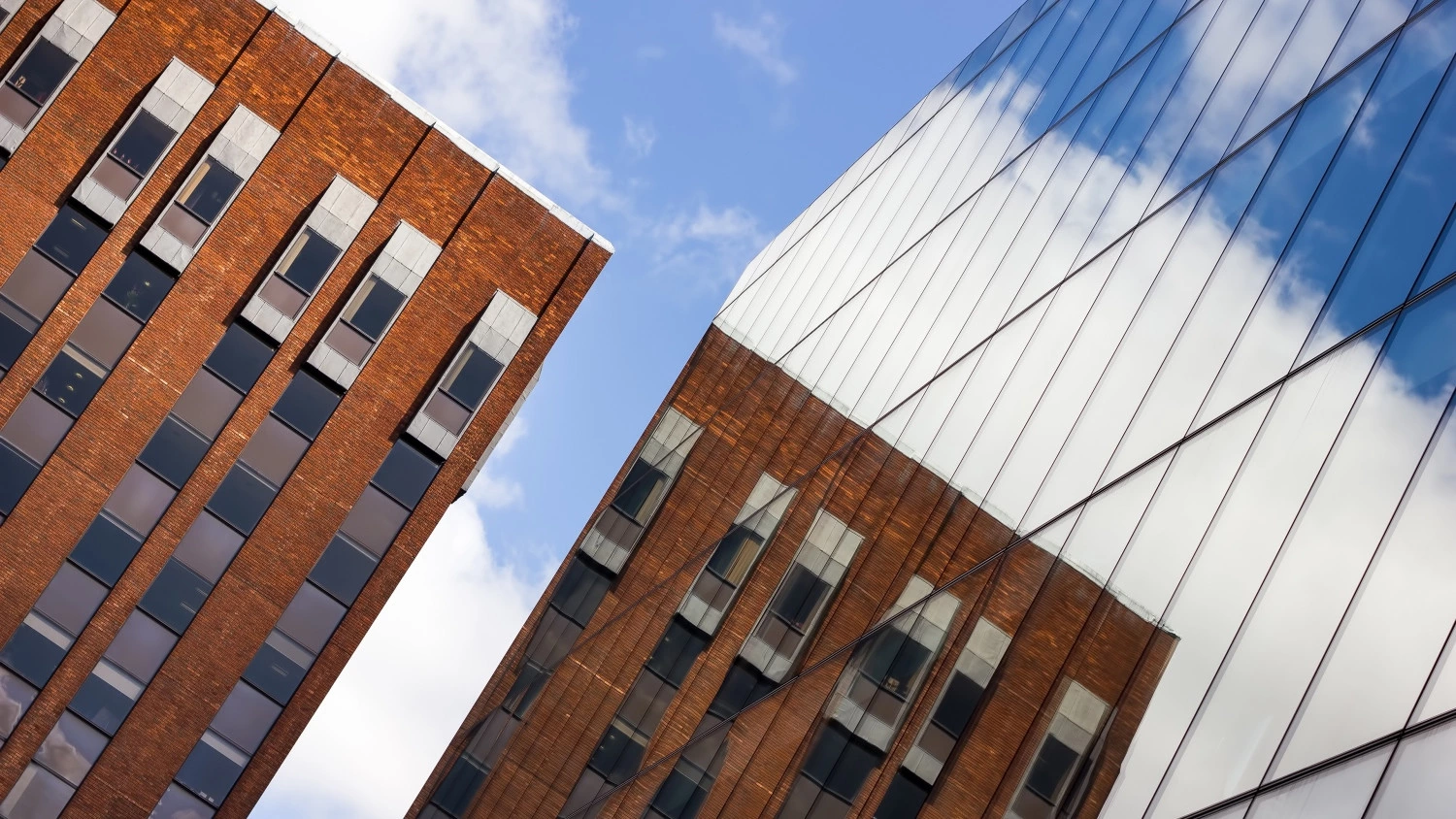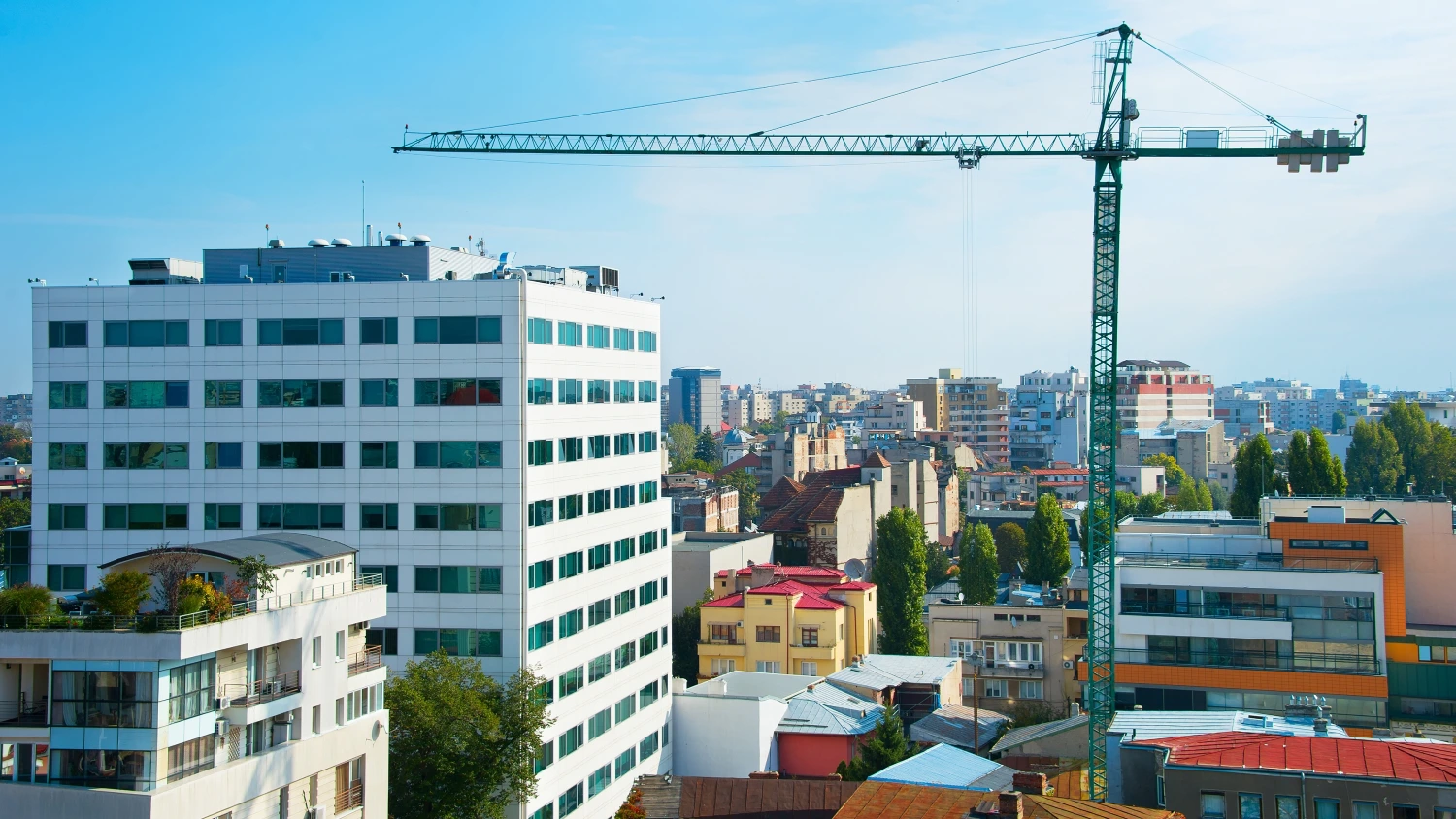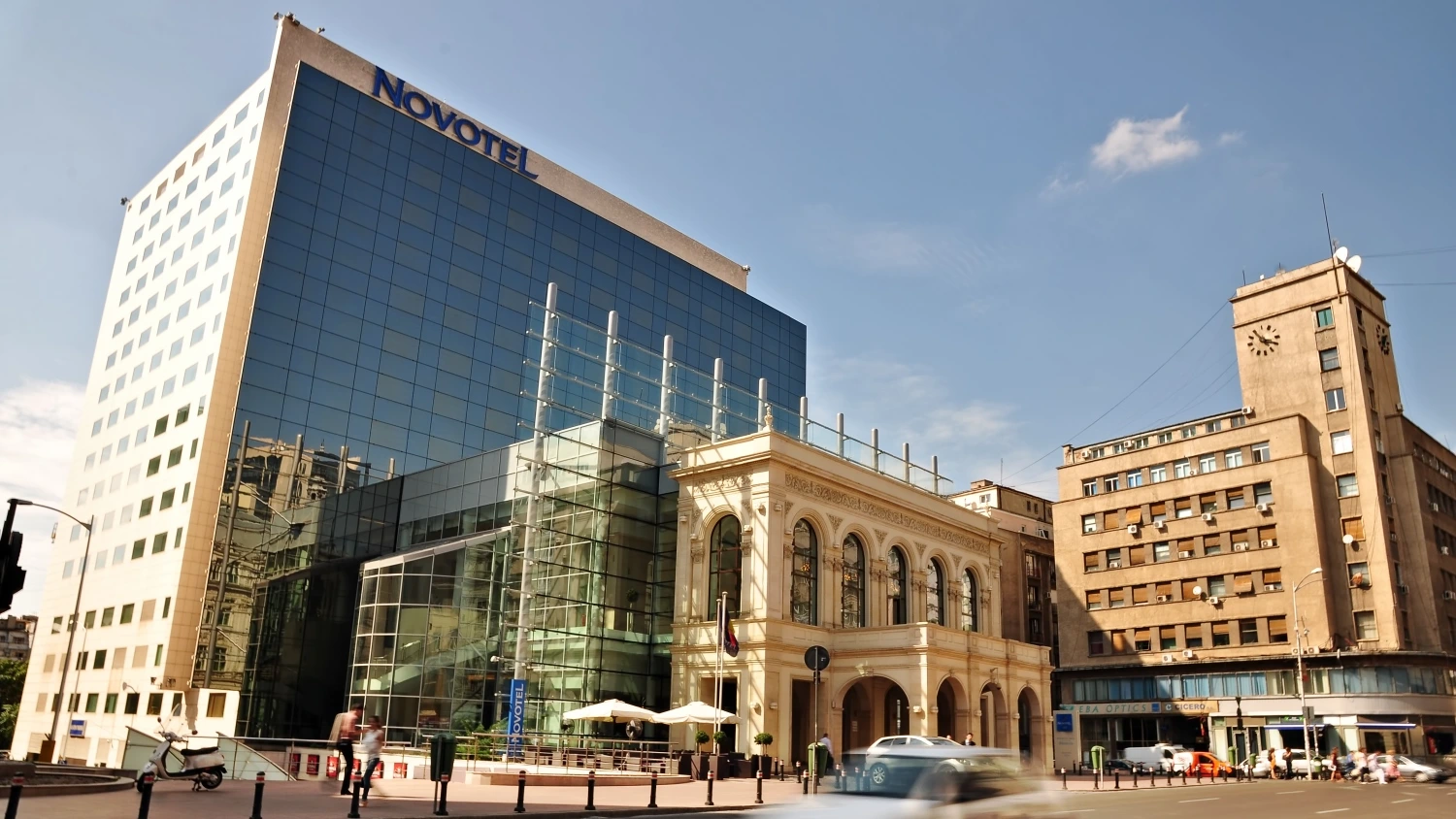


The early market was dominated by a small number of private investors, including Israeli groups, acquiring modest office buildings at yields of 18–22%. A turning point came in 2003, when Opera Center and Europe House were sold to Austrian funds CA Immo and Europolis at yields of around 12.5%, placing Romania on the radar of institutional investors. By 2006, transaction volumes had reached around €850 million, with investors from the United Kingdom, Germany, France and Australia joining the Austrians. In 2007, volumes peaked at around €1.5 billion, the highest level ever recorded in Romania, and America House was sold to Natixis for €120 million at a yield of 5.5%, the lowest in Romania to date.
"If we compare the market of 30 years ago with the one we see today, the difference is enormous. Back then, there were few properties suitable for large-scale investment. Today, we see transactions worth hundreds of millions of euros, domestic investors capable of acquiring sizable portfolios and a market that has gone through several crises and growth cycles without returning to the fragility of its early years," said Robert Miklo, Partner and Head of Capital Markets at Colliers.
The global financial crisis caused volumes to collapse to around €100 million in 2009, but the recovery that followed brought a more stable investor base. From 2014, annual volumes generally ranged between €650 million and €900 million. A milestone came in 2022, when the market recorded around €1.25 billion in transactions, its strongest year since the financial crisis. The largest deal was the sale of the CA Immo portfolio to Paval Holding for €377 million, the largest real estate transaction ever completed in Romania. The pandemic also reshaped investor preferences, with industrial and logistics assets gaining significantly in appeal alongside the growth of e-commerce. "One of the biggest changes is that we now have much more domestic and regional capital in the market. We are no longer as dependent on decisions taken by investors in Europe's major financial centres. Romanian investors can now support large transactions and, in many cases, take a long-term view of these assets," said Miklo.
After a slowdown in 2023, when higher financing costs pushed volumes down to around €500 million, the market recovered to nearly €700 million in 2024. Through the first three quarters of 2026, volumes again approached €700 million, with Colliers noting a realistic prospect of surpassing €1 billion by year end. Romania continues to offer higher yields than Poland or the Czech Republic, with a gap of around 3–4 percentage points relative to Western Europe.
"Retail tells the story of this market well. In 2006, Polus Center Cluj became the first Romanian transaction above €200 million. Twenty years later, investors are once again looking closely at retail, but with very different criteria. Since the pandemic, buyers no longer treat retail as one category. Dominant shopping centres and well-located retail parks with stable footfall and sustainable rents attract strong interest, including from domestic investors, while weaker assets are priced very differently. This selectivity is a sign of a mature market that has seen more and more liquidity in the last 5 years, culminating in 2026 with the largest retail transaction to date, worth around €300 million," said Simina Niculiță, Director of Capital Markets and Head of Retail at Colliers.