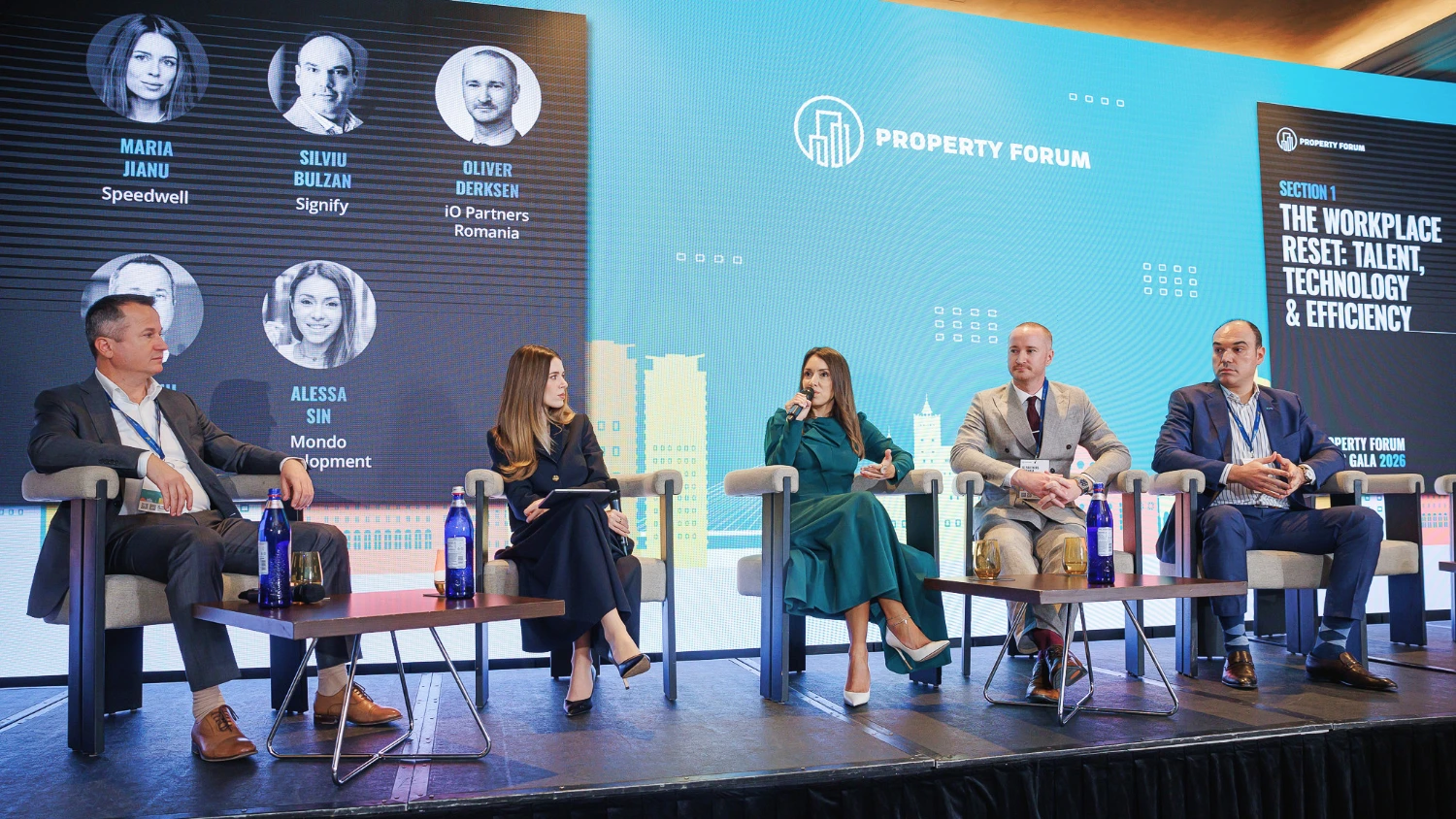


Oliver Derksen, Head of Office Advisory at iO Partners Romania, highlighted the growing influence of human resources departments on corporate real estate decisions. While HR teams were rarely involved in office searches until the final stages several years ago, they are now frequently present from the first discussions, reflecting the importance of workplace experience in attracting and retaining employees. Derksen also noted a shift towards greater office attendance, with more companies moving from two or three office days per week towards four or even five. However, high fit-out costs remain the biggest obstacle to relocation, encouraging landlords to offer greater capex contributions and flexible commercial incentives. Employee satisfaction and corporate culture are becoming increasingly important considerations alongside cost. He also expects demand patterns to evolve as business process outsourcing companies move away from purely cost-driven operations towards higher-value centres of excellence, potentially favouring more central locations and smaller but higher-quality offices. IT and technology companies remain major drivers of leasing activity, while new demand is also emerging from defence, insurance and shared services businesses.
Alessa Sin, Leasing Director at Mondo Development, argued that the future of the office market will be defined by the ability to balance employee needs, business performance and financial efficiency rather than by any single technological feature or amenity. Companies are increasingly asking whether their workplaces support collaboration, productivity and organisational change, while still making financial sense. At Mondo Development's Nexus project, the strategy is to create a campus environment that integrates workplaces with services and community spaces, rather than simply offering office buildings. Sin emphasised that occupiers have very different requirements, from ready-to-use premises to fully customised spaces and opportunities for future expansion. Flexibility is therefore becoming essential for both landlords and tenants. She also highlighted the project's radiant ceiling system, which she said can reduce fit-out and operating costs by approximately 20-30%. In her view, leasing is increasingly about developing long-term partnerships and understanding how a workplace can support a company's changing needs.
Antoniu Panait, Managing Director at VASTINT Romania, outlined how continuous improvements in building design and technology are helping developers respond to increasingly sophisticated occupier requirements. At the second phase of Timpuri Noi Square, VASTINT is targeting more than 100 points out of a possible 105 under LEED Platinum certification, incorporating lessons learned from previous projects. Improvements include larger lifts, enhanced façade insulation and more than 200 boreholes supporting heat pump systems, eliminating the need for gas-fired heating. Solar panels and other energy-saving technologies are also being incorporated to reduce consumption. Panait highlighted the importance of features that directly influence the workplace experience, including three-metre clear ceiling heights and openable windows. He expects artificial intelligence to play a growing role in analysing building performance and identifying opportunities for further efficiency improvements, although its application in building operations remains at an early stage. He also stressed that sustainability requires cooperation between landlords and tenants, including more responsible energy consumption and the effective use of available building systems.
Silviu Bulzan, Sales Leader Office & Industry SEE at Signify, focused on the financial and operational benefits of intelligent lighting systems. While lighting upgrades previously needed to deliver a return on investment within approximately three years to attract interest, advances in LED technology can now bring payback periods below two years, even when replacing older LED installations. Combining modern lighting with sensors and automated controls can generate energy savings of up to 35-40%, according to Bulzan. Beyond reducing electricity consumption, intelligent lighting infrastructure can provide valuable information about occupancy and space utilisation, while supporting the management of heating, cooling and ventilation systems. He noted that lighting typically accounts for only 2-3% of initial building investment but can represent 20-30% of electricity costs, making it an important area for operational optimisation. New wireless technologies also make it easier to retrofit existing buildings without major construction work. Looking ahead, Bulzan argued that flexible, activity-based workplaces supported by intelligent building systems will allow occupiers to make better use of their space while improving employee comfort.
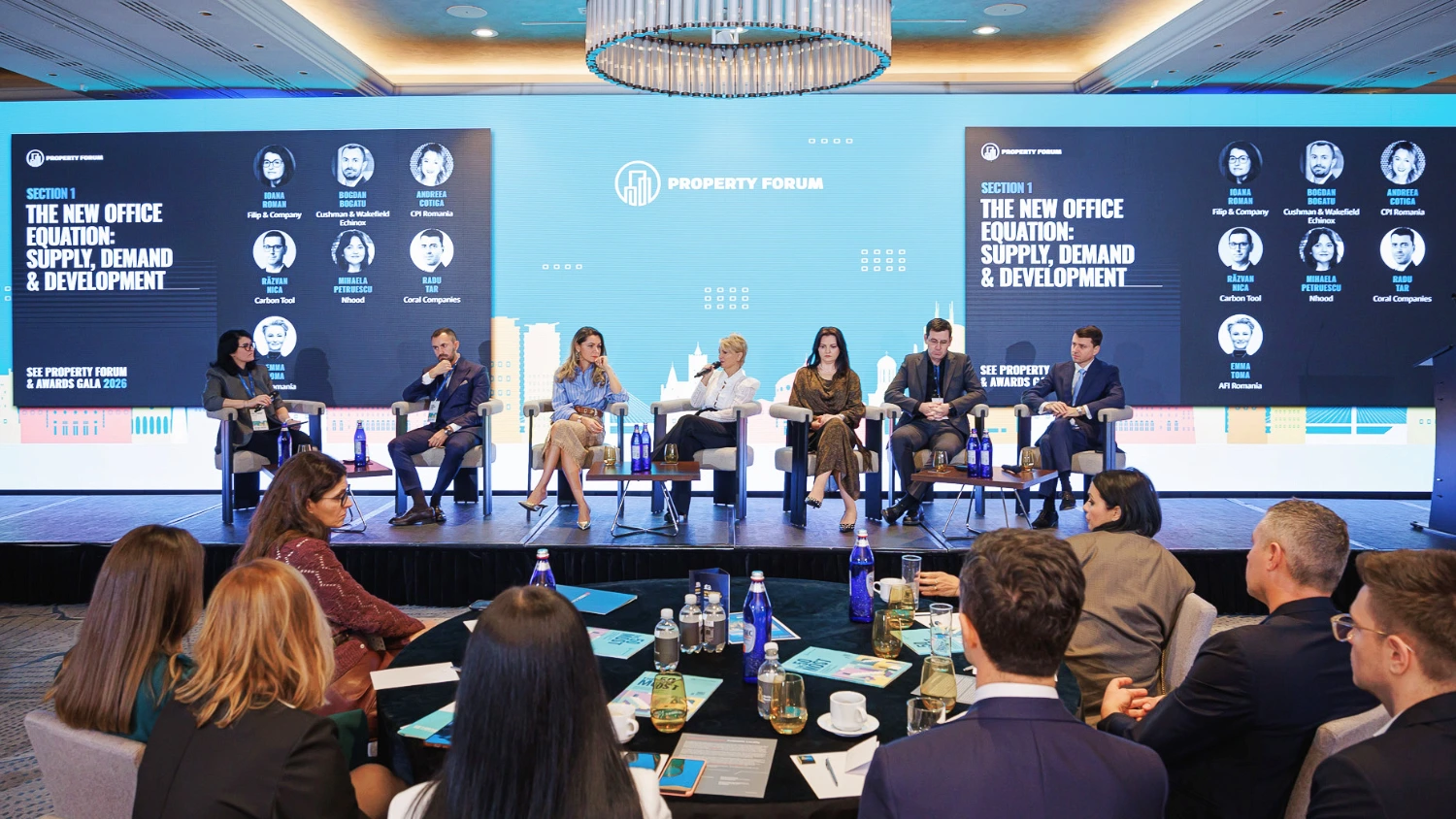
The discussion, chaired by Maria Jianu, Leasing Director at Speedwell, highlighted how the office market is moving beyond traditional considerations of location, specifications and rental costs. With companies reassessing attendance policies and employees expecting more from their workplaces, landlords are increasingly required to deliver environments that support collaboration, wellbeing and efficiency. Technology and sustainability investments can strengthen the business case for modern offices, but their value ultimately depends on how effectively they respond to occupier needs. The panellists agreed that flexibility, measurable operational performance and a stronger focus on employee experience will be essential to keeping office buildings competitive in the years ahead.