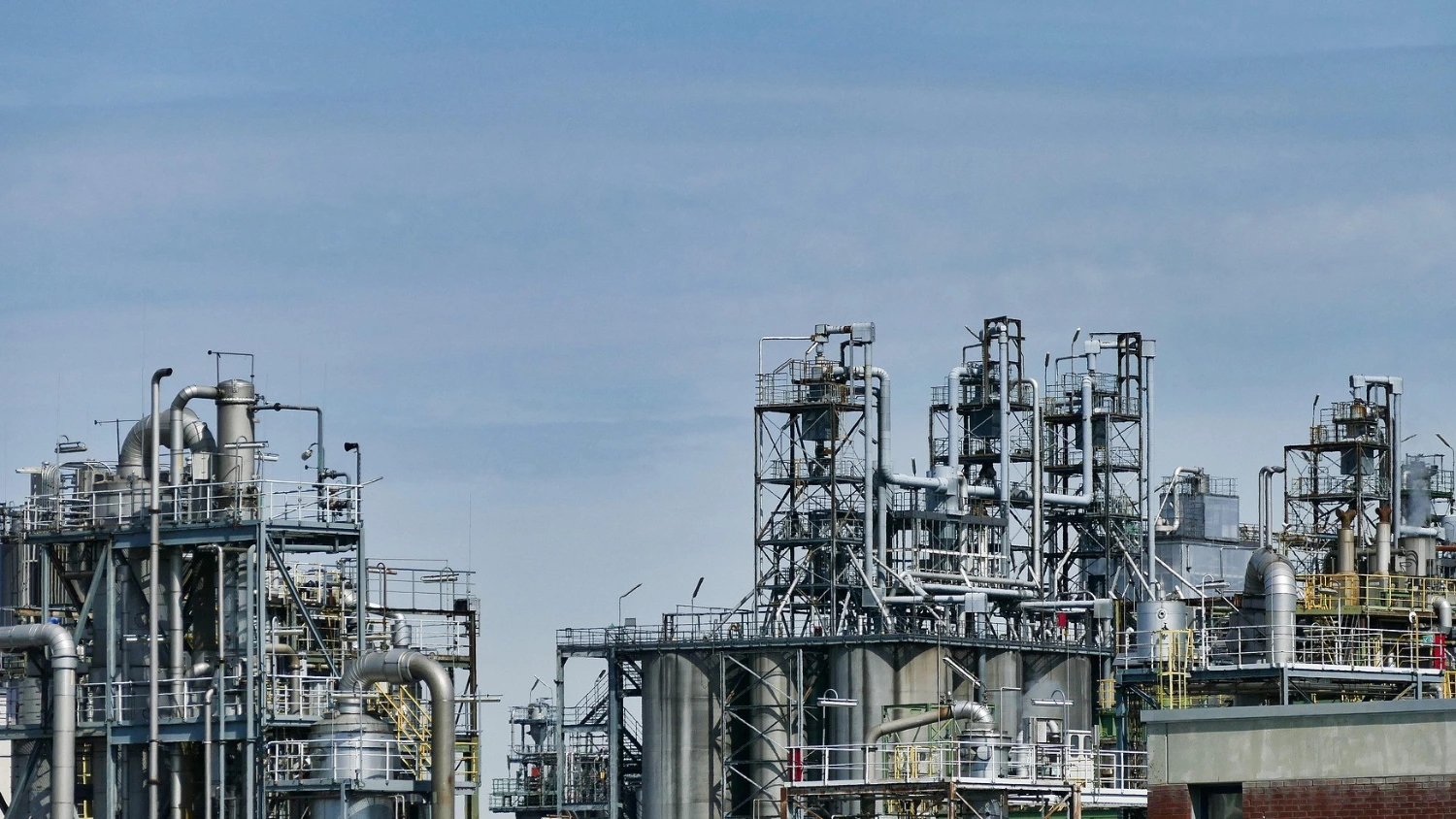
The Middle East conflict is driving up energy prices and pushing inflation higher across CEE. Oil and gas shocks hit import-dependent economies hardest, forcing central banks to postpone planned rate cuts as markets turn risk-off, according to an analysis by ING Bank.
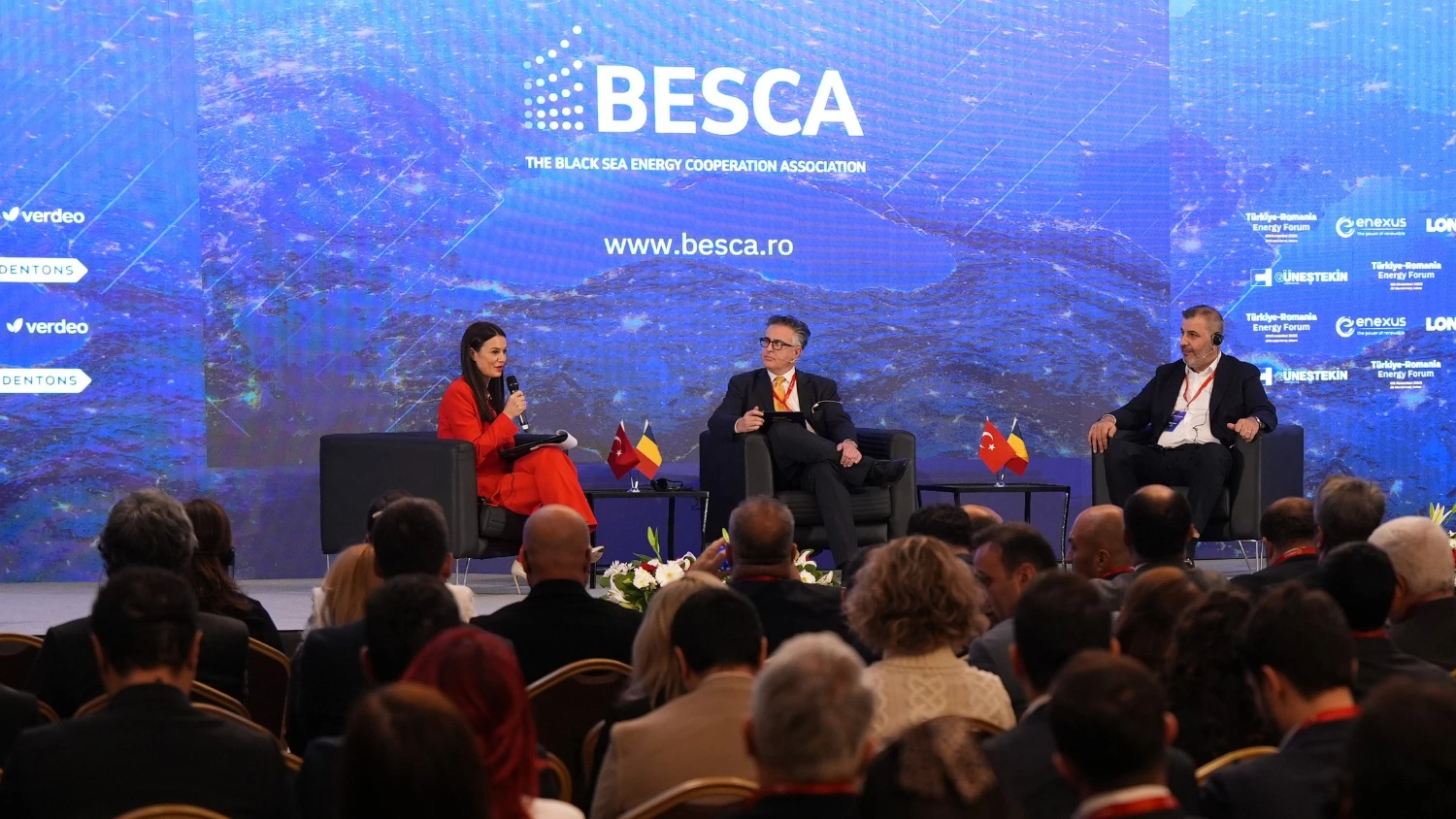
The Black Sea Energy Cooperation Association (Besca) has begun operations in Romania as a platform for collaboration among investors, developers, and experts involved in renewable energy projects across the Black Sea region.
Three out of four Romanians traveling abroad this summer have chosen Greece, Bulgaria, Turkey, or Italy as their destination, finds a recent CEC Bank survey.
The study reveals that 83% of Romanians have a plan for their upcoming vacation season. Only 6% do not intend to go on holiday, while 12% have yet to finalize their arrangements.
Romania and Turkey have signed their first memorandum in the energy field to improve energy security, renewable energy investments, and enhance regional infrastructure.
Hartmann Packaging has announced the purchase of the Romanian subsidiary of Dentaş Kağıt Sanayi, which specializes in the production of molded fiber packaging solutions.
The biggest growth in Eastern Europe is foreseen in Bulgaria going into 2025, while the rest of the countries are projected to make side moves in the coming years, according to a report by the Eastern European Construction Forecasting Association (EECFA).
Bucharest is consolidating its position within the Central and Eastern European (CEE) real estate market, combining rental growth across major asset classes with investment yields that remain well above Western European levels, according to the DNA of Real Estate Europe Q2 2026 report published by Cushman & Wakefield. Across Europe in Q2 2026, prime office rents rose 4.5% year-on-year, retail rents increased 3.0%, and logistics rents grew 2.4%, while investors remained selective as yield movements pointed to a more balanced market following the repricing cycle of recent years.
Energy company Electrica informs investors and the capital market that it has obtained the technical grid connection permits (ATR) for 17 new battery energy storage projects (BESS), with a total capacity of approximately 700 MWh.
The European Retail Banking Radar, Kearney's latest study now in its 18th edition, shows that Europe is entering a period of normalisation following the conditions of 2023–2025. For Romania, the challenge extends beyond the normalisation of interest rates.
Romania's national electricity transmission network operator, Transelectrica, has halted scheduled maintenance shutdowns to ensure the grid operates at maximum capacity during an ongoing extreme heatwave. The preventive measures aim to mitigate operational risks associated with severe weather conditions.
Digi Spain has announced its intention to launch an initial public offering (IPO) on the Spanish stock exchanges, aiming to raise approximately €150 million.